Introduction
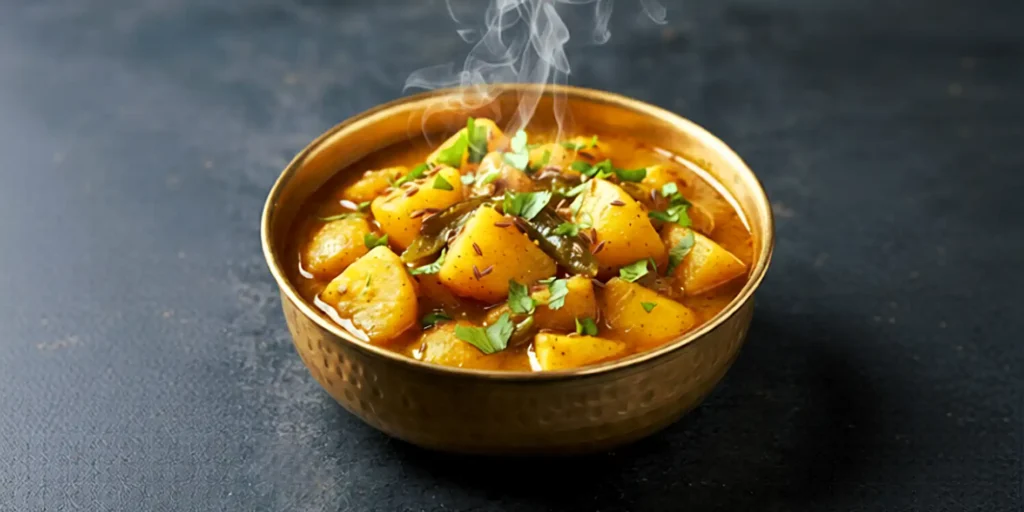
The comforting aroma of cumin and coriander seeds crackling in ghee, the sight of perfectly golden potatoes simmering in a light, tangy gravy—this is the magic of a simple Shivratri Vrat Aloo Sabzi. For those observing fasts during Mahashivratri or any vrat, this dish is nothing short of a flavour-packed blessing. It’s proof that you don’t need onion or garlic to create a sabzi that’s bursting with taste. This recipe brings the warmth of a home kitchen right to your vrat ka thali. It’s not just for festivals; this easy potato curry can be your go-to comfort meal any day you crave something light, nourishing, and utterly delicious. So, let’s roll up our sleeves and make this soul-satisfying Shivratri Vrat Aloo Sabzi Without Onion Garlic that will make your fast feel like a feast.

Step-by-Step Recipe Method
Follow these easy steps for a foolproof sabzi.
-
Prepare the Base: Heat ghee in a kadhai or thick-bottomed pan. On medium heat, add the cumin and coriander seeds. Let them splutter for a few seconds until fragrant.
-
Tip: Don’t burn the seeds. This tempering (tadka) is the flavour foundation.
-
-
Add Aromatics: Add the slit green chillies and grated ginger. Sauté for about 30 seconds to release their aroma without browning.
-
Cook the Tomatoes: Add the chopped tomatoes, turmeric powder, and red chilli powder. Cook on medium heat, mashing the tomatoes occasionally with the back of your spoon, until they turn soft and the oil starts to separate from the masala.
-
Tip: A little patience here makes the gravy rich and well-cooked.
-
-
Incorporate Potatoes & Spices: Now, add the boiled potato cubes. Gently mix them into the masala, coating them well. Sprinkle the roasted cumin powder, garam masala, and sendha namak. Stir everything together for 2-3 minutes on low heat.
-
Tip: Gently stir to avoid breaking the potato cubes.
-
-
Simmer to Perfection: Pour in one cup of water. Bring the sabzi to a gentle boil. Then, reduce the heat, cover the pan, and let it simmer for 8-10 minutes. This allows the potatoes to soak up all the lovely flavours.
-
Tip: For a thicker gravy, simmer uncovered. For more curry, add a little more water.
-
-
Final Touch: Check for seasoning. Turn off the heat. Garnish with freshly chopped coriander leaves. For an extra layer of flavour, you can stir in a tablespoon of fresh curd at this stage (optional).
Pro Cooking Tips for the Best Taste
Want your vrat ki sabzi to taste like it’s from your grandma’s kitchen? Note these tips!
-
Potato Perfection: Boil the potatoes with their skin on, then peel and cube. This prevents them from becoming mushy and waterlogged.
-
Tomato Trick: If your tomatoes aren’t very sour, add a tiny pinch of dry mango powder (amchur) or that optional spoon of curd at the end for the perfect tang.
-
Tempering is Key: Always crackle the whole spices (jeera, dhania) in hot ghee on medium heat. Burnt spices will make the sabzi bitter.
-
Don’t Skip Roasted Cumin Powder: It adds a smoky, earthy depth that lifts the entire dish. Dry roast cumin seeds and powder them fresh if possible.
-
Let it Rest: After cooking, let the sabzi sit covered for 10 minutes before serving. This helps the flavours meld together beautifully.
-
Ghee Matters: Using good quality desi ghee enhances the taste manifold, especially during a vrat.
Variations & Substitutes
This recipe is wonderfully adaptable to different needs and pantries.
-
Jain Version: Skip the ginger and green chillies. Use a pinch of asafoetida (hing) for flavour, but ensure it’s the vrat-safe variety (not mixed with regular salt or flour).
-
Vegan Version: Simply substitute ghee with any neutral cooking oil like peanut oil or sunflower oil.
-
Creamier Texture: Mash a few potato cubes while cooking or add 2 tablespoons of soaked and blended cashew paste (singhara atta can also be used as a thickener for fasts).
-
With a Twist: Add vrat-friendly ingredients like boiled sabudana pearls (sago) or cubed pumpkin for a different texture.
-
Spice Level: For kids or a milder palate, de-seed the green chillies before adding.
Serving Suggestions
This versatile Aloo Sabzi is the star of many meals!
-
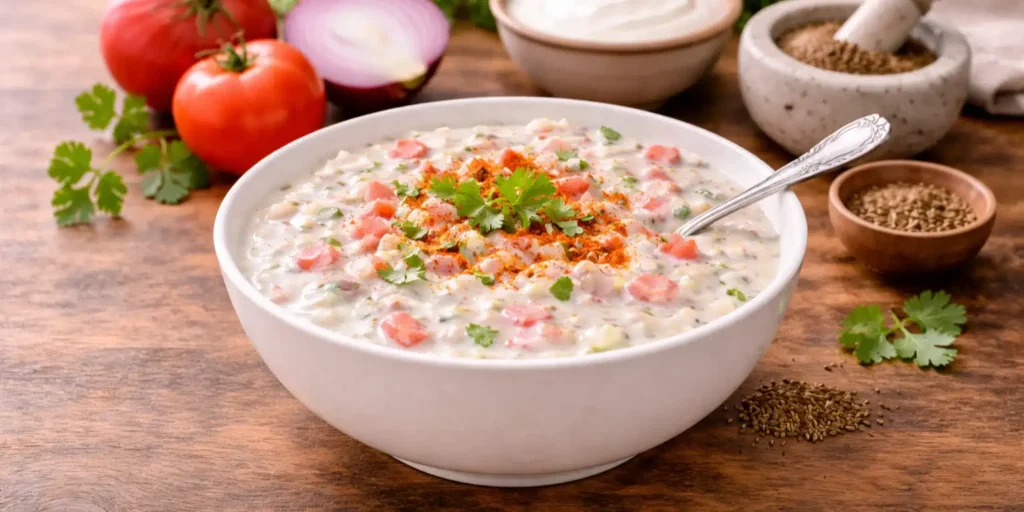
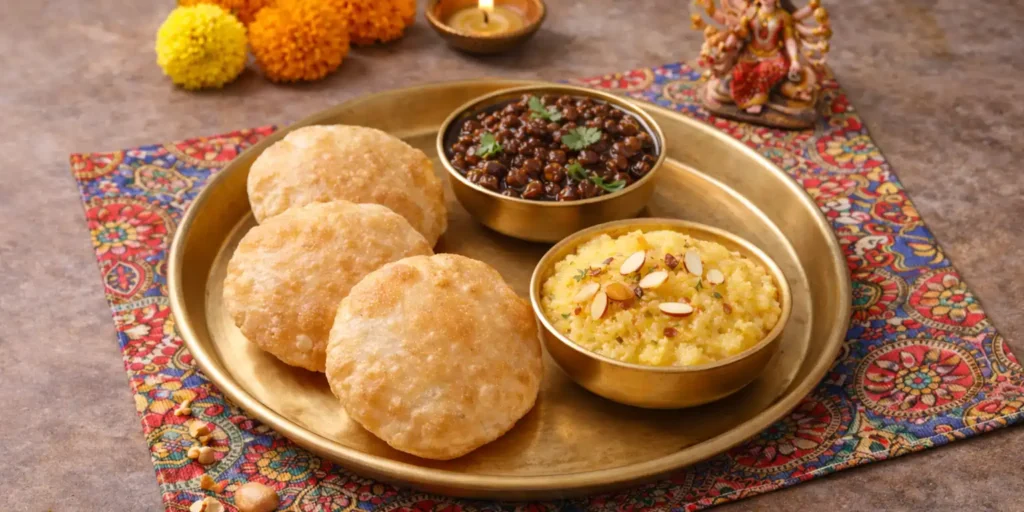
Classic Vrat Thali: Serve it hot with Sabudana Khichdi, Kuttu ki Puri, or Singhare ke Atte ka Paratha, along with a side of chilled fruit raita (with sendha namak).
-
Simple & Satisfying: A bowl of this sabzi with a glass of buttermilk (chaas) makes for a perfect, light lunch.
-
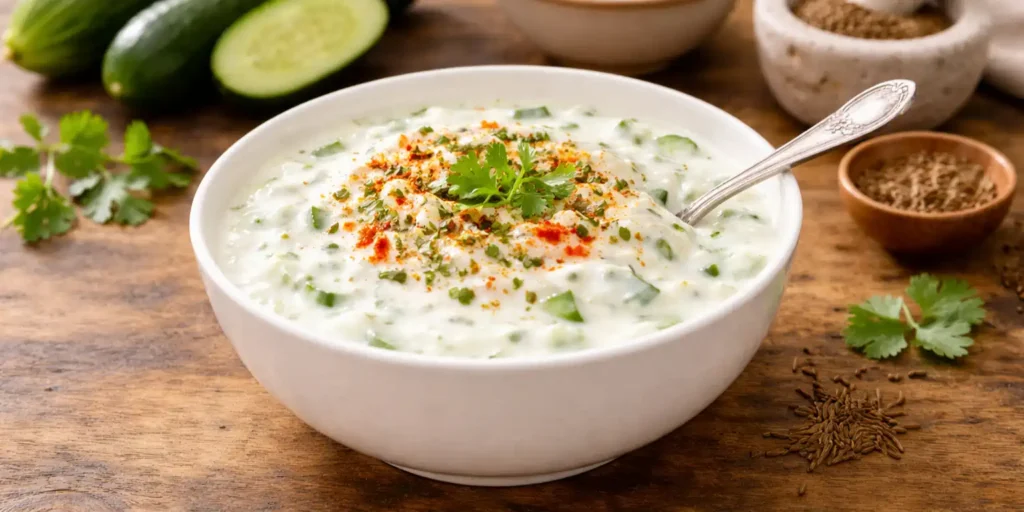
As a Side: It pairs wonderfully with plain curd or even just a simple Lauki Raita.
-
Best Occasion: Primarily made for Mahashivratri, Navratri, Ekadashi, or any Hindu fasting day. It’s also great for a quick weekday dinner when you want something light.
FAQs: Your Questions Answered
Q: Can I make this Shivratri Vrat Aloo Sabzi ahead of time?
A: Absolutely! It tastes even better the next day as the flavours deepen. Store it in an airtight container in the fridge for up to 2 days and reheat gently on the stove.
Q: What can I use instead of tomatoes in this no-onion-garlic sabzi?
A: You can use 2 tablespoons of thick curd (dahi) or 1 tablespoon of raw mango powder (amchur) mixed with water to get the tangy flavour base.
Q: Is this potato curry gluten-free?
A: Yes, this recipe, as written, is naturally gluten-free. Always check the labels of your spice blends (like garam masala) to ensure no wheat filler is added.
Q: Can I use regular salt instead of sendha namak?
A: For religious fasting (vrat), it is recommended to use sendha namak (rock salt). For daily cooking when not fasting, you can use regular table salt.
Q: My sabzi turned out too watery. How can I fix it?
A: Simmer it uncovered on medium heat for a few extra minutes to reduce the gravy. You can also mash a few potato pieces with your spoon to help thicken it naturally.
Conclusion
And there you have it—a complete guide to making the most flavourful and comforting Shivratri Vrat Aloo Sabzi Without Onion Garlic. This recipe is a testament to the beauty of Indian cooking, where simple ingredients come together to create something truly special. It’s hearty, it’s satisfying, and it honours the traditions of the fast without compromising on taste. I promise, once you try this method, it will become a permanent fixture in your recipe book. So, give it a try this Mahashivratri, and let me know in the comments how it turned out for you! Don’t forget to share your vrat ka thali pictures—maybe alongside some traditional Bhaang ka Ghotta, a classic prasad you can learn to make here. Happy cooking, and may Lord Shiva bless your home with happiness!