A Glass of Devotion: Your Guide to the Sacred Bhang Thandai Recipe
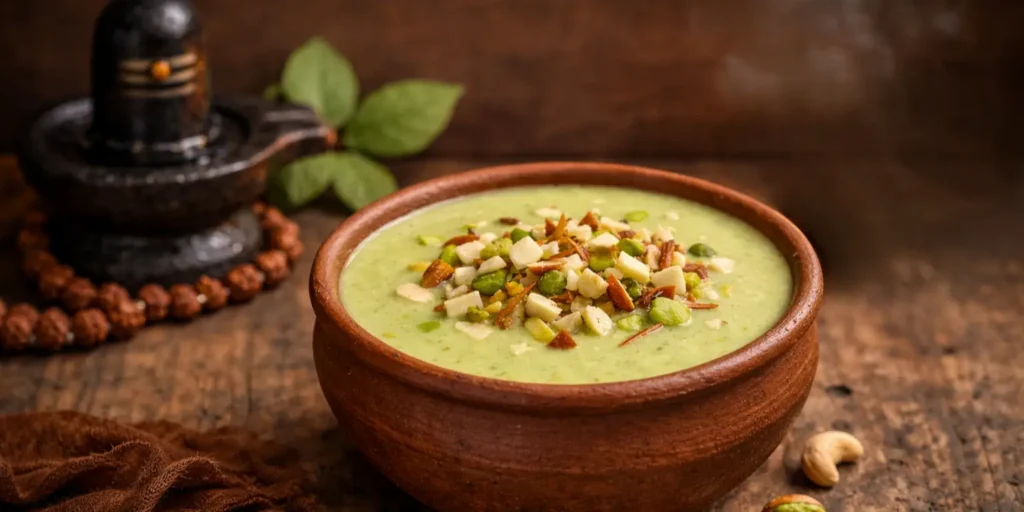
Maha Shivratri is a night of great devotion, prayer, and fasting for Lord Shiva. Furthermore, it is a time when devotees seek a special connection with the divine. Among the many traditions of this holy night, one stands out for its deep spiritual roots: the preparation of Bhang Thandai as sacred prasad. This cooling, nourishing drink is more than just a recipe; it is an ancient offering, a bridge between the devotee and the divine.
The Sacred Link: Bhang and Lord Shiva
In Hindu stories, Lord Shiva is often shown as an ascetic who uses bhang, or cannabis leaves. People believe this sacred herb helps him in deep meditation. Consequently, on Maha Shivratri, offering Bhang Thandai is a way to honor this aspect of Shiva. It is a sign of letting go of ego and worldly distractions. Therefore, consuming it as prasad is not for fun or intoxication. Instead, it is a devotional act. It is a way to participate in a ritual that is centuries old. This makes the Bhang Thandai recipe a key part of the Maha Shivratri vrat drink traditions.
Why a Cooling Drink for a Fast?
Maha Shivratri involves a day-long fast, or vrat, and often a night-long vigil, called jaagran. This can be physically demanding. Importantly, bhang thandai is designed as a perfect support for this practice. It is a cooling drink, which helps balance the body’s energy during the long hours. Moreover, it is packed with ingredients that provide slow, sustained energy from nuts and fresh fruits. So, while you focus on prayer, this Shivratri prasad lovingly takes care of your body’s needs.
Ingredients for Your Sacred Bhang Thandai
Gathering the ingredients is the first step in this devotional process. Each item has its own meaning and benefit. Here is what you will need for this Bhang Thandai recipe:
-
The Sacred Base:
-
Milk: 1 liter of full-fat milk. This is for richness and is considered pure, or sattvic.
-
Bhang: 1-2 teaspoons of legal, traditionally prepared bhang paste or powder. This is the key offering. Source it responsibly from authorized shops for religious purposes.
-
-
The Nut & Spice Mix (for grinding):
-
Almonds: 10-12, soaked and peeled.
-
Cashews: 8-10, soaked.
-
Pistachios: 8-10, soaked.
-
Black Pepper: ½ teaspoon, for a slight warmth and digestion.
-
Fennel Seeds (Saunf): 1 tablespoon, for a sweet taste and cooling effect.
-
Green Cardamom: 4-5 pods, deseeded, for beautiful fragrance.
-
Rose Petals: 1 tablespoon (dried or fresh), for aroma and love.
-
-
The Fresh Fruit Blessings:
-
Banana: 1 ripe banana. It adds natural sweetness and creaminess.
-
Grapes: A small handful (about 10-12). They add a juicy, sweet-tart flavor.
-
Pomegranate: Seeds from half a pomegranate. They give a wonderful crunch and a vibrant, festive color.
-
-
The Sweetener:
-
Sugar or Mishri (Rock Sugar): 4-5 tablespoons, or to your taste. Mishri is often preferred in rituals.
-
Step-by-Step: Preparing the Bhang Thandai Recipe
Follow these simple steps to create your divine Maha Shivratri vrat drink.
Step 1: The Soaking Process
First, take all the nuts—almonds, cashews, and pistachios. Soak them in warm water for at least 2 hours. This will soften them and make them easy to blend. Meanwhile, you can also soak the fennel seeds and black pepper in a little water.
Step 2: Preparing the Fruit Pulp
Next, prepare your fresh fruits. Peel the ripe banana and put it in a blender. Then, wash the grapes and remove any seeds if needed. Add them to the blender. After that, take the fresh pomegranate seeds and add them as well. Blend these three fruits together into a smooth pulp. Set this colorful pulp aside for later.
Step 3: The Sacred Grinding (Ghotna)
Now, drain the water from the soaked nuts and spices. Place them in a mortar and pestle or a strong blender. Add the soaked fennel, black pepper, cardamom seeds, and rose petals. Then, add the prepared bhang paste or powder. Grind everything together into a very fine, smooth paste. You can add a few spoons of milk to help in grinding. This step is called ghotna, which gives the drink its name, ghota.
Step 4: Mixing It All Together
Take a large mixing bowl. Pour the remaining milk into it. Now, add the fragrant nut-bhang paste you just made. Also, add the fresh fruit pulp from step two. Using a whisk, mix everything together very well until it is fully combined. Subsequently, add sugar or mishri according to your taste. Whisk again until the sweetener dissolves completely.
Step 5: Straining and Chilling
For a smooth texture, strain the entire mixture through a fine muslin cloth or a strainer into a clean jug or jar. Press gently to get all the liquid out. Finally, cover the jug and place it in the refrigerator to chill for at least 2-3 hours. This Shivratri prasad is best served very cold.
A Drink of Respect: How and When to Offer Your Bhang Thandai
This concoction is a sacred offering. Thus, it should be treated with utmost respect. The best time to prepare it is in the morning after your bath and initial prayers. You can then offer it to the Shiva Linga during your main puja ritual in the afternoon or evening.
When consuming, remember it is prasad. Take only a small, moderate amount—usually one small cup or lassi glass is enough. The goal is devotional participation, not consumption. Sip it slowly with gratitude after your offering. It will help sustain you through the rest of your fast and jaagran. Following this Bhang Thandai recipe with devotion turns a simple act into a spiritual experience.
Frequently Asked Questions (FAQs)
Q1: Can I make this drink without bhang?
Absolutely. If you wish to avoid bhang, simply skip it. The recipe then becomes a delicious and traditional “Shudh Thandai” or “Fruit Thandai,” which is also a wonderful and completely valid Maha Shivratri vrat drink. The other ingredients themselves are full of blessings.
Q2: Is this Bhang Thandai intoxicating?
When prepared as a ritual prasad in the moderate amount described, its effect is very mild for most adults. It is meant to induce a calm, meditative state, not intoxication. The power of devotion is the real focus. However, effects can vary from person to person.
Q3: Can children or pregnant women have this prasad?
No. This specific Bhang Thandai recipe is strictly for adults who are observing the vrat. It should not be given to children, pregnant women, or anyone with specific health conditions without consulting a doctor or a knowledgeable elder.
Q4: Can I use store-bought thandai masala?
Yes, you can. For convenience, use a good quality thandai masala powder. Simply mix it with milk, your fresh fruit pulp, sugar, and the bhang paste (if using). However, the fresh grinding method gives a far superior flavor and is more traditional.
Q5: How long can I store it?
As a fresh prasad, it is best consumed on the same day. If needed, you can store it in a very clean, airtight container in the refrigerator for up to 24 hours. Give it a good stir before serving again.
By following this guide, you create more than a drink. You prepare a sacred offering, a Shivratri prasad that carries the devotion of your heart. This Bhang Thandai recipe is your way to connect with an ancient tradition and celebrate Maha Shivratri with true spirit. May your offering be accepted with joy.
Har Har Mahadev!