Gulab Jamun Recipe: Soft, Juicy, and Perfect for Festivals
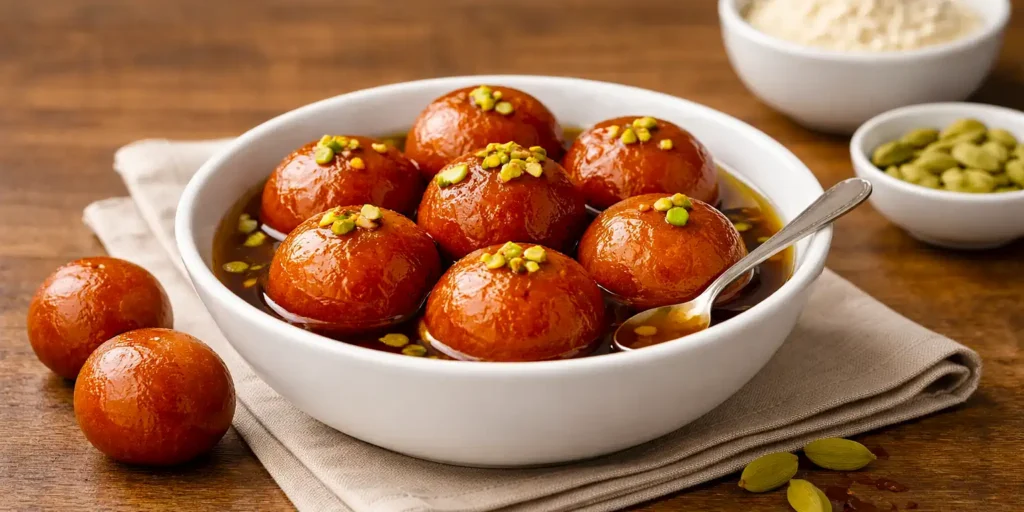
Hello friends! Today I am sharing one of the most loved Indian sweets – Gulab Jamun. These soft, golden-brown balls soaked in fragrant sugar syrup are a must-have at every festival, wedding, and celebration. The name itself brings a smile to everyone’s face .
The smell of Gulab Jamun frying in ghee is so wonderful. When you add cardamom and rose water to the sugar syrup, the aroma fills your whole kitchen. Biting into a warm, soft Gulab Jamun and feeling the sweet syrup burst in your mouth – it’s pure bliss .
Making Gulab Jamun at home might seem difficult, but it’s actually very easy. You just need the right ingredients and a little care. With this recipe, you can make soft, spongy gulab jamun that will impress your family and guests. Let me show you how to make this perfect Gulab Jamun Recipe step by step.
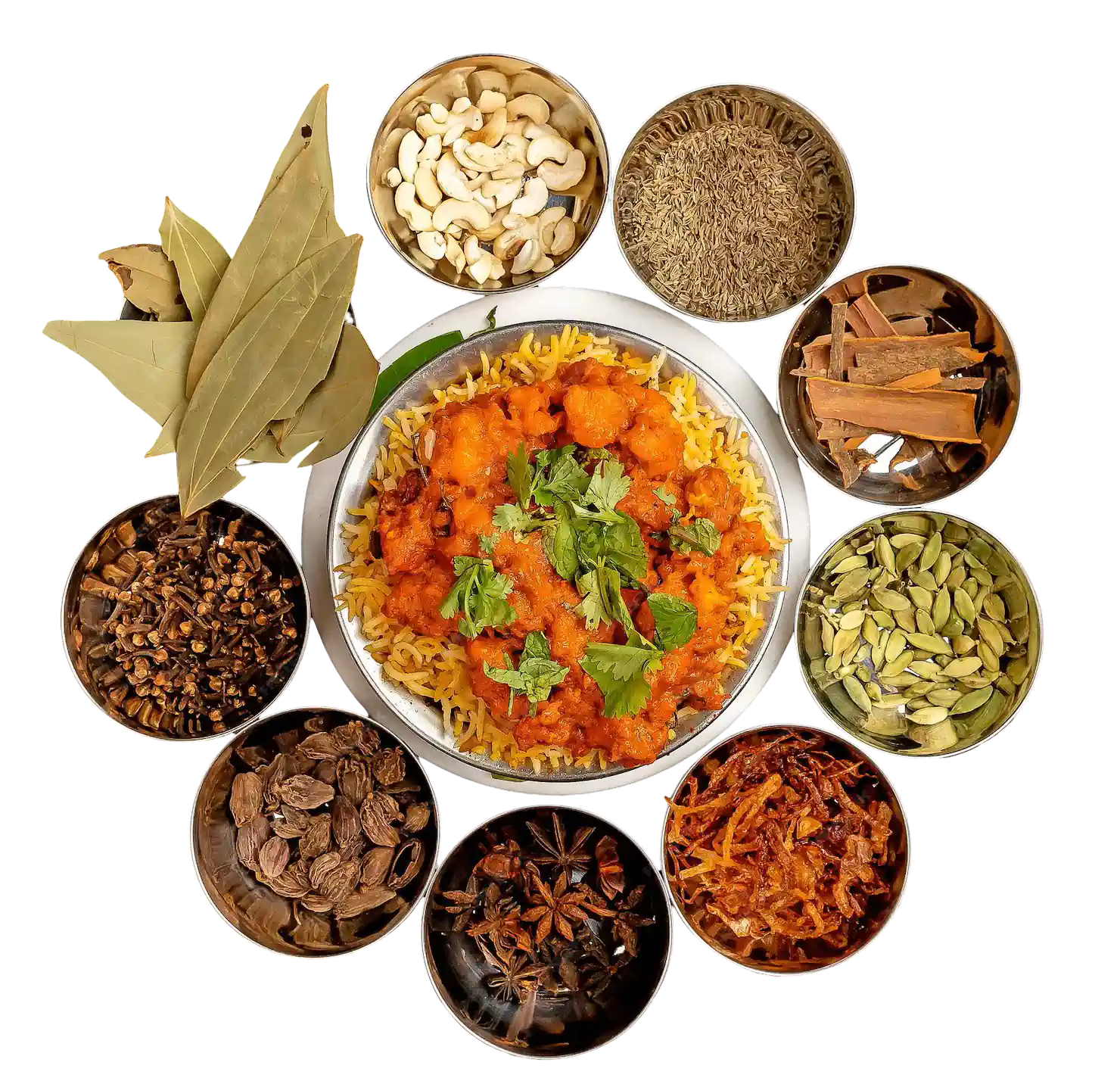
Ingredients for Perfect Gulab Jamun
This recipe makes about 15-18 Gulab Jamun.
For Gulab Jamun Dough:
- 1 cup Milk Powder
- ¼ cup All-Purpose Flour (Maida)
- ¼ teaspoon Baking Soda
- 2 tablespoons Ghee (at room temperature)
- 2-3 tablespoons Milk (as needed, to knead)
- A pinch of Cardamom Powder (optional)
- Ghee or Oil for deep frying
For Sugar Syrup (Chashni):
- 1.5 cups Sugar
- 1.5 cups Water
- 4-5 Green Cardamom pods (lightly crushed)
- 1 teaspoon Rose Water or Kewra Water (optional)
- Few strands Saffron (optional)
- 1 teaspoon Lemon Juice (to prevent crystallization)
For Garnish:
- Chopped Pistachios
- Saffron strands
Step-by-Step Recipe Method
1st Step: Prepare the Sugar Syrup
In a wide pan, take sugar and water. Heat on medium flame and stir until sugar dissolves completely. Add crushed cardamom pods. Let the syrup boil for 5-6 minutes until it becomes slightly sticky but not thick. Add lemon juice. This prevents sugar from crystallizing. Turn off heat and add rose water. Keep the syrup warm on very low flame while you prepare jamun.
Tip: Syrup should be warm, not hot, when you add jamun. If syrup becomes too thick, add little warm water.
2nd Step: Make the Gulab Jamun Dough
In a large mixing bowl, take milk powder, all-purpose flour, and baking soda. Mix well with a spoon. Add 2 tablespoons ghee at room temperature. Rub the ghee into the flour mixture with your fingertips until it looks like breadcrumbs.
Tip: Ghee should be soft, not melted. This gives soft jamun.
3rd Step: Knead the Dough
Add milk little by little and gently mix to form a soft dough. Do not knead too much. Just bring it together gently. The dough should be soft and smooth, with no cracks. Cover and let it rest for 5-10 minutes.
Tip: Do not over-knead. Over-kneading makes jamun hard. The dough should be soft but not sticky.
4th Step: Shape the Gulab Jamun
Grease your palms with little ghee. Take small portions of dough and roll into smooth balls. Make sure there are no cracks. All balls should be of similar size so they cook evenly.
Tip: If cracks appear, dip fingers in milk and smooth them. Cracks will break while frying.
5th Step: Heat Oil for Frying
Heat ghee or oil in a heavy-bottomed kadhai on low to medium flame. To check if oil is ready, drop a tiny piece of dough – it should come up slowly and sizzle. Oil should be medium hot, not too hot, not too cold.
Tip: Keep oil temperature low. High heat will brown outside but leave inside raw.
6th Step: Fry the Gulab Jamun
Gently slide 4-5 jamun into the oil. Do not overcrowd. Fry on low heat, stirring gently and continuously, until they become golden brown. This takes about 6-8 minutes. They will expand while frying.
Tip: Stir gently and continuously for even browning. Don’t rush, low heat is key.
7th Step: Soak in Sugar Syrup
Remove fried jamun with a slotted spoon and drain on paper towel for a minute. Then immediately add them to the warm sugar syrup. Make sure syrup is warm, not hot.
Tip: Add jamun to syrup when both are warm – not too hot, not cold.
8th Step: Let Them Soak
Let the jamun soak in sugar syrup for at least 2-3 hours. They will absorb syrup and become soft, juicy, and double in size. Garnish with chopped pistachios and saffron strands before serving.
Tip: The longer they soak, the softer they become. Overnight soaking gives best results.
Pro Cooking Tips for Perfect Gulab Jamun
-
Use Good Quality Milk Powder: Fresh, fine milk powder gives best results. Avoid coarse or old milk powder.
-
Don’t Over-Knead Dough: Mix gently until dough comes together. Over-kneading activates gluten and makes jamun hard.
-
Keep Oil Temperature Low: Fry on low heat. High heat burns outside, inside remains raw. Be patient.
-
Check for Cracks: Roll smooth balls with no cracks. Cracks will open while frying.
-
Syrup Consistency: Syrup should be slightly sticky but not thick. One-string consistency is too thick for jamun.
-
Add Lemon Juice: Lemon juice prevents sugar from crystallizing and keeps syrup smooth.
-
Biggest Mistake: Frying on high heat. Always fry on low to medium-low heat for perfectly cooked jamun.
Variations & Substitutes to Try
-
Khoya Gulab Jamun: Replace milk powder with grated khoya (mawa). Add little flour if needed. More traditional and rich.
-
Bread Gulab Jamun: Use bread crumbs instead of milk powder. Quick and easy version.
-
Paneer Gulab Jamun: Mix grated paneer with little flour and milk powder. Different texture but tasty.
-
Brown Sugar Syrup: Use brown sugar or jaggery for healthier syrup. Color will be darker.
-
Vegan Gulab Jamun: Use vegan milk powder and plant-based ghee. Use vegan sugar.
-
Stuffed Gulab Jamun: Stuff each ball with chopped nuts or a small piece of pistachio before frying.
-
Chocolate Gulab Jamun: Add cocoa powder to dough and serve with chocolate syrup. Fusion version.
Serving Suggestions: Best Ways to Enjoy
-
Warm or Cold: Gulab Jamun tastes amazing both ways. Serve warm for extra softness.
-
With Ice Cream: Serve warm gulab jamun with vanilla ice cream. Amazing combination!
-
Festival Special: Make for Diwali, Holi, Eid, and all celebrations.
-
As Prasad: Offer as bhog during puja and festivals.
-
With Rabri: Serve with thick, creamy rabri for royal dessert.
-
Best Occasion: Perfect for festivals, weddings, parties, and when guests come over.
FAQs: Your Gulab Jamun Questions Answered
Q1: Why did my Gulab Jamun break while frying?
A1: This happens if dough is too dry or has cracks. Make sure dough is soft and balls are smooth with no cracks. Oil temperature too high can also break them.
Q2: Why did my Gulab Jamun become hard?
A2: Over-kneading the dough or frying on high heat makes jamun hard. Knead gently and fry on low heat. Also, not soaking enough can keep them hard.
Q3: How long should I soak Gulab Jamun in syrup?
A3: Soak for at least 2-3 hours. Overnight soaking gives best results. They become soft and juicy.
Q4: Can I store Gulab Jamun? How long?
A4: Store in refrigerator in an airtight container for 4-5 days. Warm slightly before serving. Can also freeze for 1-2 months.
Q5: Why did my sugar syrup crystallize?
A5: You didn’t add lemon juice, or you stirred too much after boiling. Lemon juice prevents crystallization.
Q6: Can I make Gulab Jamun without milk powder?
A6: Yes, use khoya (mawa) or paneer instead. Recipe will be different but tasty.
Q7: My Gulab Jamun are too oily. Why?
A7: Oil temperature was too low, or you kept them in oil too long. Drain well on paper towel after frying.
Conclusion
So friends, now you know how to make perfect Gulab Jamun at home. These soft, juicy, and sweet balls are the king of Indian desserts for a reason. With the right ingredients and a little patience, you can make gulab jamun that taste better than any market sweet.
The key is gentle handling, low heat frying, and proper soaking. Follow these steps, and your gulab jamun will be soft, spongy, and absolutely delicious. Your family will ask for them again and again.
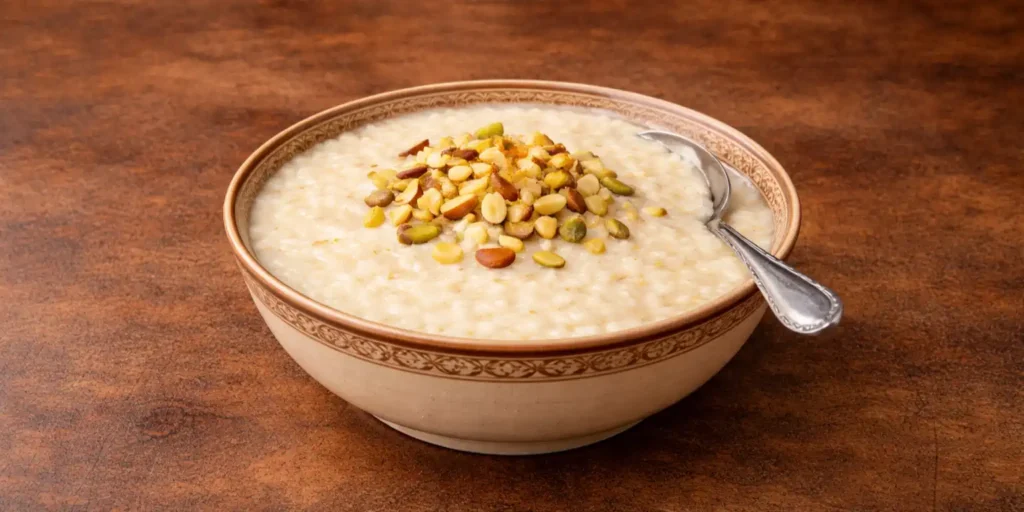
I hope you try this recipe for the next festival or special occasion. Please make it and tell me in the comments how it turned out! Share your photos and stories. For more sweet recipes, check out our Besan Ke Laddoo and Rice Kheer .
Happy cooking and happy eating!