
How to Make Gujiya Without Mawa: Easy Festival Sweet
Hello friends! Holi is coming, and that means one thing – lots of sweets and good food! Gujiya is a special sweet made during Holi and Diwali in many Indian homes. These are crispy, half-moon shaped dumplings filled with a sweet mixture. But many people do not eat mawa (khoya) or find it hard to get. That is why today I am sharing a very easy recipe for how to make gujia without using any mawa.
Imagine biting into a crispy, golden shell. Inside, there is a sweet, flavorful filling with the crunch of nuts and the sweetness of coconut. The smell of cardamom fills the air. It is pure festive joy! This recipe uses simple ingredients that you already have in your kitchen. No need to hunt for mawa in the market. Let me show you step by step how to make gujia that everyone will love. Your family will ask for more!
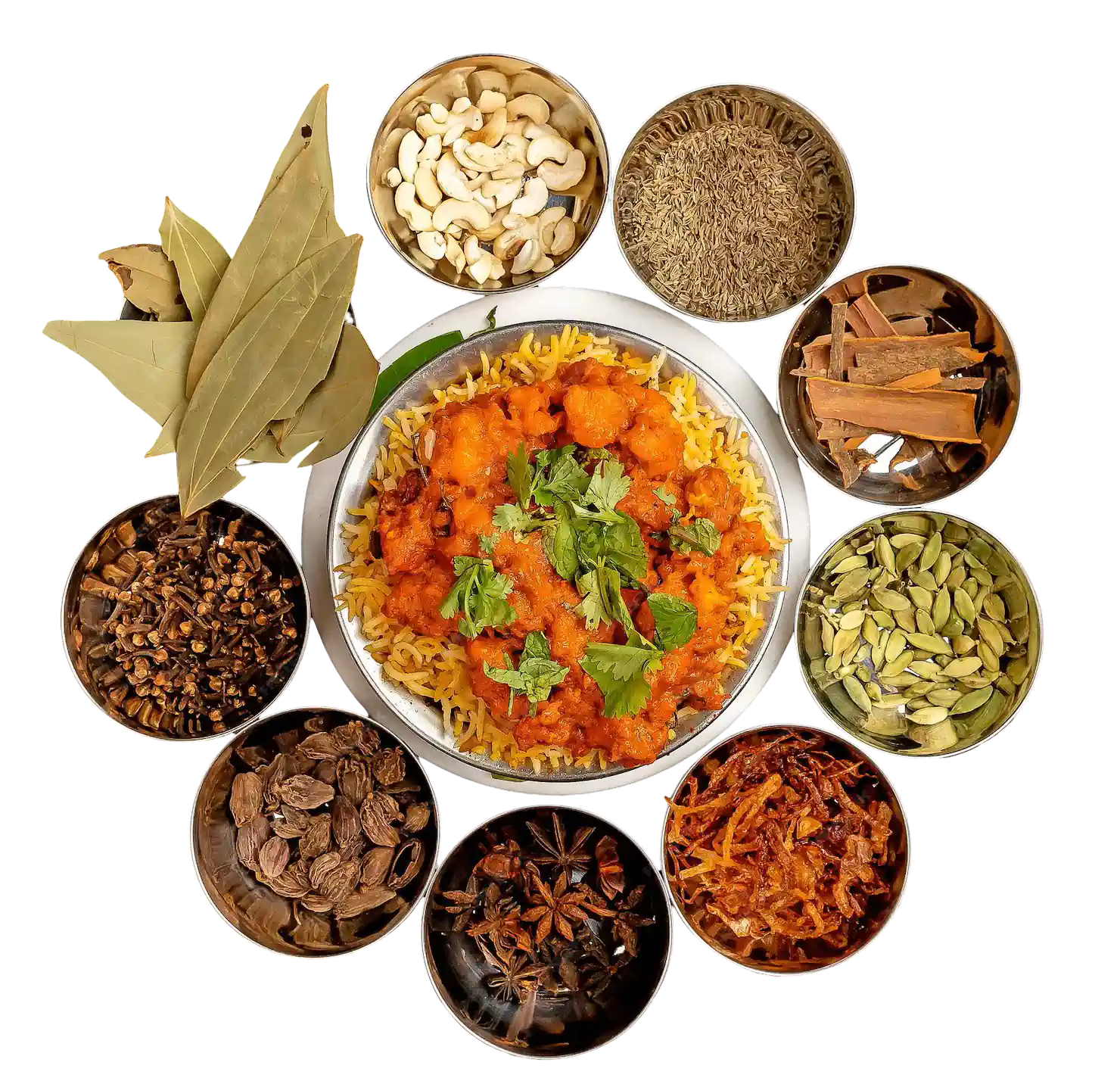
Ingredients for Gujiya Without Mawa
This recipe makes about 15-18 gujiya.
For the Outer Cover (Dough):
- 2 cups Maida (All-Purpose Flour)
- 4 tablespoons Ghee (or oil)
- A pinch of Salt
- Water (to knead the dough)
For the Sweet Filling (Stuffing):
- 1 cup Dry Coconut (Grated or finely chopped)
- ½ cup Sugar (powdered or finely ground)
- ¼ cup Almonds (Badam) , chopped
- ¼ cup Cashews (Kaju) , chopped
- 2 tablespoons Raisins (Kishmish)
- 1 teaspoon Cardamom Powder (Elaichi)
- 2 tablespoons Desiccated Coconut (optional, for extra texture)
For Frying:
-
Oil or Ghee for deep frying
For Sealing (Optional):
-
A little Water or Maida slurry (1 spoon maida mixed with 2 spoons water)

Step-by-Step Recipe Method
Follow these easy steps for perfect gujiya.
1st Step: Make the Dough (Outer Cover)
- In a big bowl, take maida. Add salt and mix.
- Add 4 tablespoons ghee. Rub it into the flour with your fingertips until it looks like breadcrumbs. Tip: This step makes the gujiya crispy.
- Add water little by little and knead into a stiff but smooth dough. The dough should be firm, not too soft.
- Cover the dough with a wet cloth and let it rest for 20-30 minutes.
2nd Step: Prepare the Filling
- Take a pan. Dry roast the grated dry coconut on low heat for 2-3 minutes until light golden and fragrant. Keep aside to cool. Tip: Roasting brings out the flavor of coconut.
- In a mixing bowl, take the roasted coconut. Add powdered sugar, chopped almonds, chopped cashews, raisins, and cardamom powder.
- Add desiccated coconut if using. Mix everything very well. Your filling is ready.
3rd Step: Shape the Gujiya
- After the dough rests, knead it again lightly.
- Divide the dough into small lemon-sized balls.
- Take one ball. Roll it into a small poori or circle, about 3-4 inches wide. Do not make it too thin, or it will break while frying.
- Place a spoonful of the sweet filling in the center of the circle. Do not overfill. Leave some space around the edges.
- Wet your finger with a little water and run it along the edges of the circle. This helps seal the gujiya.
- Fold the circle over to make a half-moon shape. Press the edges gently to seal.
- To make it look pretty, twist the edge or press with a fork to make a design. You can also use a gujiya mould for perfect shape.
Tip: Make sure the edges are sealed very well, or filling will come out while frying.
4th Step: Fry the Gujiya
- Heat oil or ghee in a kadhai on medium flame. Not too hot, not too cool.
- To check if oil is ready, drop a small piece of dough. It should come up slowly.
- Slide 4-5 gujiya gently into the oil. Do not put too many at once.
- Fry on medium-low heat until golden brown and crispy. Turn them gently once or twice for even cooking. Tip: Fry slowly on low heat so the inside cooks properly.
- Remove with a slotted spoon and drain on paper towel.
- Let them cool completely before storing. They become more crispy as they cool.
Pro Cooking Tips for Perfect Gujiya
- Knead Stiff Dough: The dough for gujiya should be stiff, not soft like roti dough. Soft dough absorbs more oil and breaks easily.
- Roast the Filling: Always roast dry coconut lightly. This brings out a beautiful aroma and taste.
- Seal Very Well: This is the most important step! If gujiya are not sealed well, they will open in oil and filling will come out.
- Fry on Low Heat: Gujiya need to fry slowly on medium-low heat. High heat will brown the outside quickly but leave the inside raw.
- Cool Before Storing: Always let gujiya cool completely before putting in a box. Hot gujiya will become soft from steam.
- Biggest Mistake: Making filling too dry or too wet. The filling should hold together when pressed but not be sticky.
Variations & Substitutes to Try
- With Mawa (Khoya): If you want the traditional version, replace dry coconut with 1 cup grated mawa. Roast mawa until light brown, then mix with sugar and nuts.
- Sooji (Semolina) Filling: Dry roast ½ cup sooji until golden. Mix with ½ cup powdered sugar, nuts, and cardamom. A quick and tasty alternative.
- Chocolate Gujiya: Add 2 tablespoons cocoa powder and some chocolate chips to the coconut filling. Kids love this!
- Baked Gujiya (Healthy Version): Instead of frying, brush gujiya with oil and bake at 180°C for 20-25 minutes until golden. Turn once in between.
- Jain Version: The recipe is already Jain-friendly as it has no onion-garlic. Just ensure no potatoes are used.
- Vegan Version: Use oil instead of ghee in dough and for frying. The filling is already vegan.
Serving Suggestions: Best Ways to Enjoy
- Festival Special: Serve gujiya during Holi, Diwali, and Raksha Bandhan as part of the festive sweets.
- With Chai: Enjoy 1-2 gujiya with hot masala chai in the evening. Perfect combination.
- Gift Box: Pack in beautiful boxes and give to friends and family during festivals.
- As Prasad: Offer gujiya as bhog during puja and festivals.
- Best Occasion: Perfect for Holi, Diwali, Karwa Chauth, and family celebrations .
FAQs: Your Gujiya Questions Answered
Q1: Can I make gujiya without a mould?
A1: Yes, absolutely! Just roll the dough into a circle, fold into half-moon shape, and press edges with a fork to seal and make design.
Q2: Why did my gujiya open while frying?
A2: This happens if edges are not sealed properly. Always wet the edges with water and press very well. Also, do not overfill.
Q3: Can I store gujiya? How long?
A3: Yes, store in an airtight container at room temperature. They stay fresh for 2-3 weeks. Keep in a cool, dry place.
Q4: My gujiya became soft after cooling. Why?
A4: This can happen if they were not fried properly or if dough was too soft. Fry on low heat until completely crisp. Cool completely before storing.
Q5: Can I use whole wheat flour (atta) instead of maida?
A5: Yes, you can use whole wheat flour. The texture will be slightly different and not as crispy, but still tasty.
Q6: How to make sugar-free gujiya?
A6: Use powdered jaggery (gur) instead of sugar. You can also use sugar-free sweetener, but adjust quantity as per taste.
Conclusion
So friends, now you know how to make gujia easily at home without any mawa. This recipe is perfect for festivals like Holi and Diwali. The crispy outer shell and sweet, nutty filling will make everyone happy. And the best part? You can make it with ingredients already in your kitchen.
I hope you try this recipe for the upcoming festival. Please make it and tell me in the comments how it turned out! Share your photos and stories. For more festive recipes, check out our Holi Special Gujiya Recipe – Easy & Crispy Mithai for Festival.
Happy festive cooking and happy Holi!