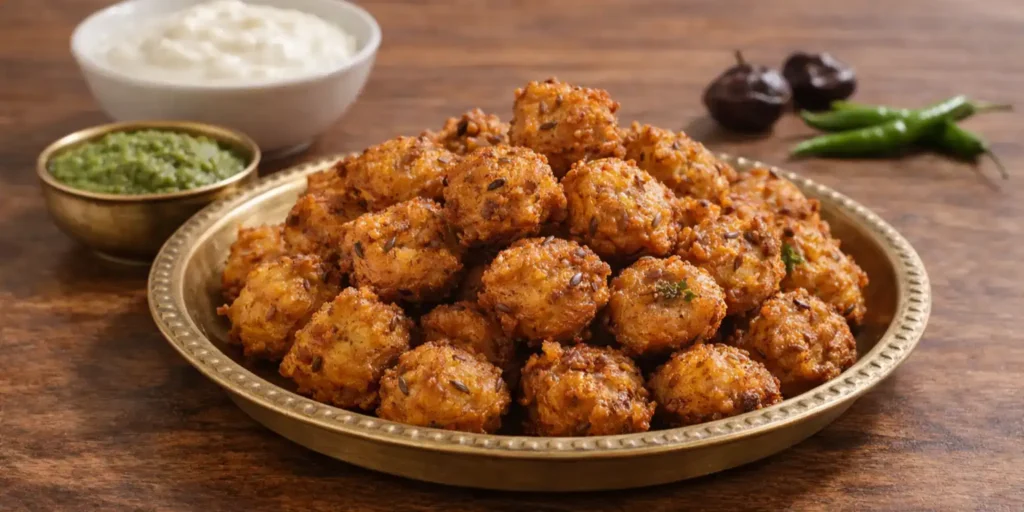
Navratri – Singhare Ke Pakode: Crispy Fasting Snack for Upvas
Hello friends! Navratri is here, and during fasting we often crave something crispy and tasty to eat. But regular pakoras are made with besan which is not allowed during fast. That’s where Singhare Ke Pakode come to the rescue. These pakoras are made with singhare ka atta (water chestnut flour) which is completely vrat-friendly .
Imagine biting into a hot, crispy pakora on a rainy evening during Navratri. The outside is golden and crunchy, the inside is soft with potato and spices. The aroma of singhare ka atta frying in ghee or peanut oil is so good. These Singhare Ke Pakode will satisfy all your snack cravings while keeping your fast .
Making Singhare Ke Pakode at home is very easy. You just need singhare ka atta, boiled potatoes, and some vrat-approved spices. In just 15-20 minutes, you can make a batch of crispy pakoras that everyone will love. Even family members not fasting will want to eat them. Let me show you how to make this perfect fasting snack step by step.
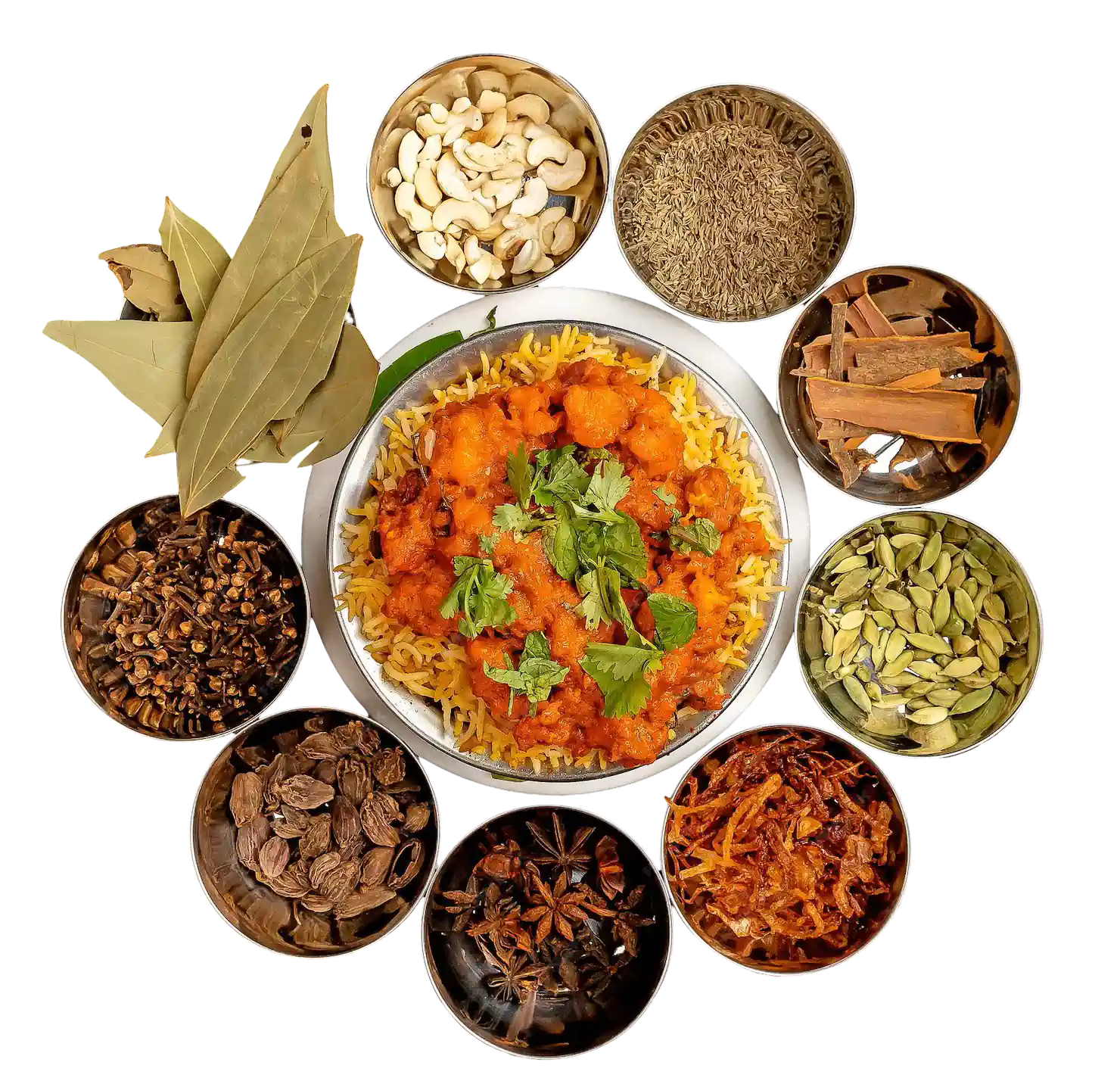
Ingredients for Singhare Ke Pakode
This recipe serves 3-4 people.
For the Pakora Batter:
- 1 cup Singhare Ka Atta (Water Chestnut Flour)
- 2 medium Potatoes – boiled and mashed
- 1-2 Green Chilies – finely chopped
- 1 inch Ginger – grated
- 2 tablespoons Coriander Leaves – finely chopped
- Sendha Namak (Rock Salt) – to taste
- ½ teaspoon Black Pepper Powder
- ½ teaspoon Roasted Cumin Powder (optional)
- Water – as needed (little quantity)
For Frying:
- Ghee or Peanut Oil – for deep frying
Alternatives:
- You can add grated paneer to the mixture for extra richness.
- Some people add a pinch of hing (asafoetida) if allowed.
- Add finely chopped spinach for green pakoras.

Step-by-Step Recipe Method
1st Step:
Boil the potatoes until they are completely soft. You can boil them in a pressure cooker for 3-4 whistles or in a pan until fork-tender. Let them cool completely. Peel the skin and mash the potatoes very well with your hands or a masher. There should be no lumps.
Tip: Boil potatoes a little earlier so they have time to cool. Hot potatoes will make the batter sticky.
2nd Step:
In a large mixing bowl, take the mashed potatoes. Add singhare ka atta, finely chopped green chilies, grated ginger, and chopped coriander leaves. Mix everything with your hands.
3rd Step:
Add sendha namak (rock salt), black pepper powder, and roasted cumin powder to the bowl. Mix all the dry ingredients well with the potato mixture.
4th Step:
Now slowly add water, little by little, and start mixing. You need to make a thick batter. The batter should be thicker than regular pakora batter. It should hold shape when you take it in your hand.
Tip: Do not add too much water at once. Singhare ka atta absorbs water slowly. Add just enough to make a dough-like consistency, not runny batter.
5th Step:
Let the batter rest for 5-10 minutes. This allows the flour to absorb moisture and the flavors to mix well. Check the consistency again. If it feels too dry, sprinkle little more water.
6th Step:
Heat ghee or peanut oil in a deep kadhai or pan on medium flame. The oil should be medium hot, not smoking.
7th Step:
To check if oil is ready, drop a tiny piece of batter into the oil. It should come up slowly and sizzle. If it comes up too fast, oil is too hot. If it sits at bottom, oil is not hot enough.
8th Step:
Wet your hands with little water. Take small portions of the batter and shape into round or flat pakoras. You can also drop small drops directly with your fingers or a spoon. Traditional singhare ke pakode are often round like tikkis.
9th Step:
Gently slide 4-5 pakoras into the hot oil. Do not overcrowd the kadhai. Leave space between them so they cook evenly.
10th Step:
Fry on medium-low heat until they become golden brown and crispy. Turn them gently with a slotted spoon so they cook evenly on all sides. This will take about 4-5 minutes.
11th Step:
When pakoras are golden brown and crispy, remove them with a slotted spoon. Drain on paper towel to remove extra oil.
12th Step:
Repeat the process for remaining batter. Serve hot immediately with green chutney or curd.
Pro Cooking Tips for Perfect Singhare Ke Pakode
-
Use Boiled Potatoes: Boiled and mashed potatoes help bind the pakoras. They also make the inside soft and tasty.
-
Don’t Make Batter Too Thin: Singhare ke pakode batter should be thicker than regular pakora batter. Thin batter will absorb too much oil and pakoras will break.
-
Rest the Batter: Letting the batter rest for 5-10 minutes helps the flour absorb moisture and makes pakoras less oily.
-
Fry on Medium Heat: Fry on medium-low heat so pakoras cook inside and become crispy outside. High heat will burn outside and leave inside raw.
-
Use Sendha Namak: Always use rock salt for fasting recipes. Regular salt is not allowed during Navratri.
-
Add Potatoes for Binding: Potatoes act as a binder in singhare ke pakode. Without potatoes, the pakoras may break in oil.
-
Biggest Mistake: Adding too much water to the batter. Singhare ka atta becomes sticky if batter is too thin, and pakoras absorb too much oil.
Variations & Substitutes to Try
-
Aloo Singhare Pakode: Add more mashed potatoes and less flour for softer, potato-filled pakoras.
-
Paneer Singhare Pakode: Add grated paneer to the mixture for richer, creamier pakoras.
-
Palak Singhare Pakode: Add finely chopped spinach to the batter for green, healthy pakoras.
-
Spicy Singhare Pakode: Add more green chilies and black pepper for extra heat.
-
Baked Singhare Pakode: Shape into tikkis, brush with oil, and bake at 200°C for 20 minutes until crispy. Healthier option.
-
Jain Version: This recipe is already Jain-friendly as it has no onion and garlic. Just ensure all ingredients are Jain-approved.
-
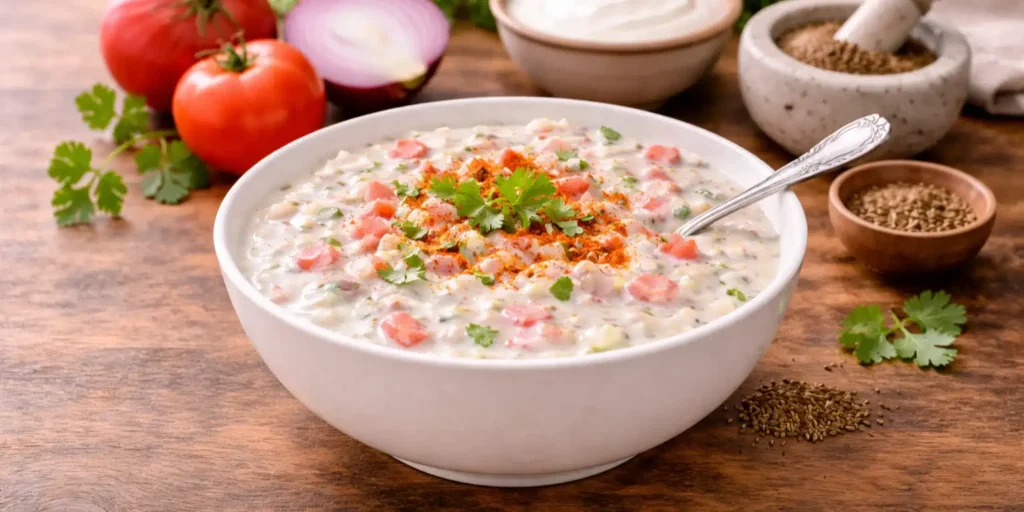
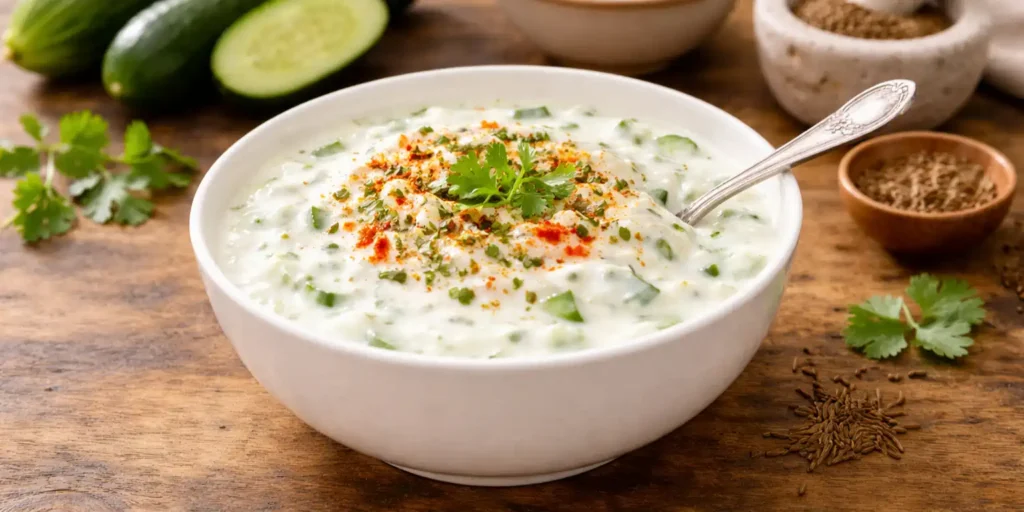
With Curd: Serve with vrat-friendly raita made from curd, sendha namak, and roasted cumin powder.
Serving Suggestions: Best Ways to Enjoy
-
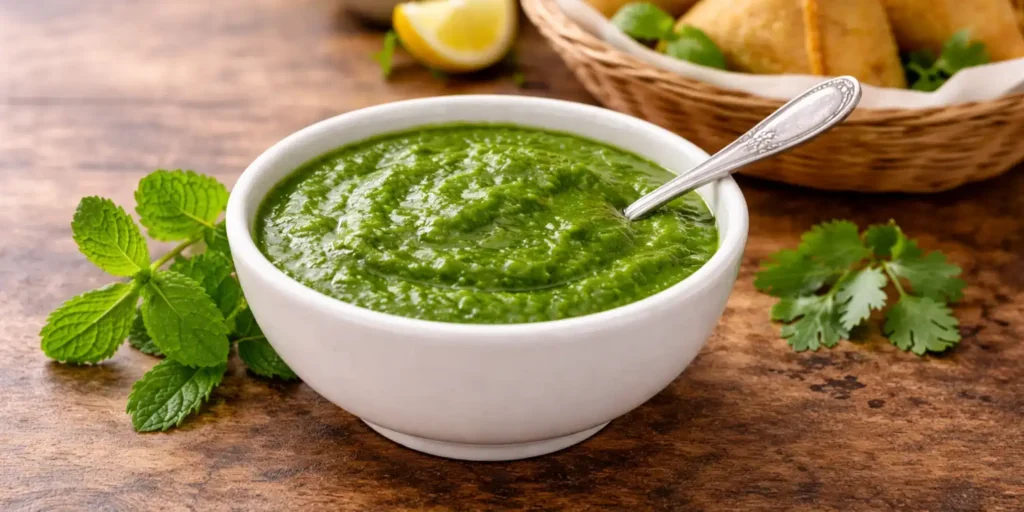
With Green Chutney: Serve hot pakoras with fresh coriander-mint chutney made with sendha namak.
-
With Curd: Enjoy with fresh curd (dahi) sprinkled with roasted cumin powder and sendha namak.
-
With Tea: Have with a cup of tea during evening snack time (if you are not fasting from tea).
-
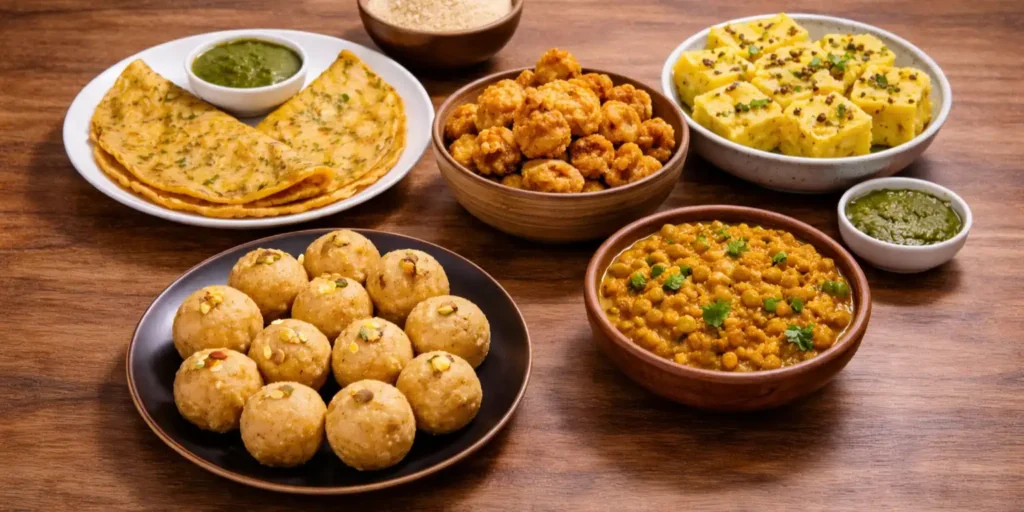
With Vrat Meal: Serve as part of your Navratri thali along with vrat ke aloo, samak rice, and kuttu paratha.
-
With Imli Chutney: Sweet and sour imli chutney is also allowed and tastes great with pakoras.
-
Best Occasion: Perfect for Navratri evenings, Shivratri fast, Ekadashi, and rainy days during fasting.
FAQs: Your Singhare Ke Pakode Questions Answered
Q1: Can I make singhare ke pakode without potatoes?
A1: Potatoes help bind the pakoras. Without potatoes, the pakoras may break while frying. You can use grated raw banana or arbi (colocasia) as alternative.
Q2: What is singhare ka atta? Where can I buy it?
A2: Singhare ka atta is water chestnut flour. It is available in most Indian grocery stores, especially during Navratri season. You can also buy online.
Q3: My pakoras are absorbing too much oil. Why?
A3: This happens if the batter is too thin or oil is not hot enough. Make thick batter and fry on medium heat. Drain well on paper towel.
Q4: Can I make these pakoras for Ekadashi fast?
A4: Yes, singhare ke pakode are perfect for Ekadashi fast too. Just check if potato is allowed in your Ekadashi tradition (it is allowed in most).
Q5: How to store leftover pakoras?
A5: These are best eaten fresh and hot. Leftover pakoras become soft. You can reheat in air fryer or oven to make them crispy again.
Q6: Can I use regular oil for frying during fast?
A6: During Navratri, desi ghee, peanut oil, and mustard oil are commonly used. Regular refined oil is not allowed by many people.
Conclusion
So friends, now you know how to make perfect crispy Singhare Ke Pakode for your Navratri fast. These pakoras are so tasty that you won’t miss your regular snacks at all. The combination of singhare ka atta, potatoes, and vrat-friendly spices creates something truly special.
Fasting doesn’t mean you have to eat boring food. With recipes like this, you can enjoy delicious snacks while following your fasting rules. Your family will love these pakoras too.
I hope you try this recipe during Navratri. Please make it and tell me in the comments how it turned out! Share your photos and stories. For more vrat recipes, check out our Vrat Ke Aloo and Thandai Drink Recipe.
Happy Navratri and happy fasting!