
Navratri Vrat Ke Aloo Recipe: Easy Fasting Style Potatoes
Hello friends! Navratri is here, and for those who keep fast, finding tasty food can be a challenge. But fasting doesn’t mean eating bland food. Today I am sharing a special recipe for vrat ke aloo that is perfect for your fasting days. These potatoes are crispy, spicy, and made with ingredients allowed during Navratri .
Imagine the smell of potatoes roasting with cumin seeds and sendha namak. The aroma fills your kitchen and makes you hungry. These vrat ke aloo are so tasty that even family members not fasting will want to eat them. They are easy to make and use simple vrat-friendly ingredients .
Making vrat ke aloo at home is very simple. You just need potatoes, sendha namak (rock salt), and some vrat-approved spices. In just 15-20 minutes, you can make a delicious dish that will keep you full and satisfied during your fast. Let me show you how to make this easy fasting recipe step by step.
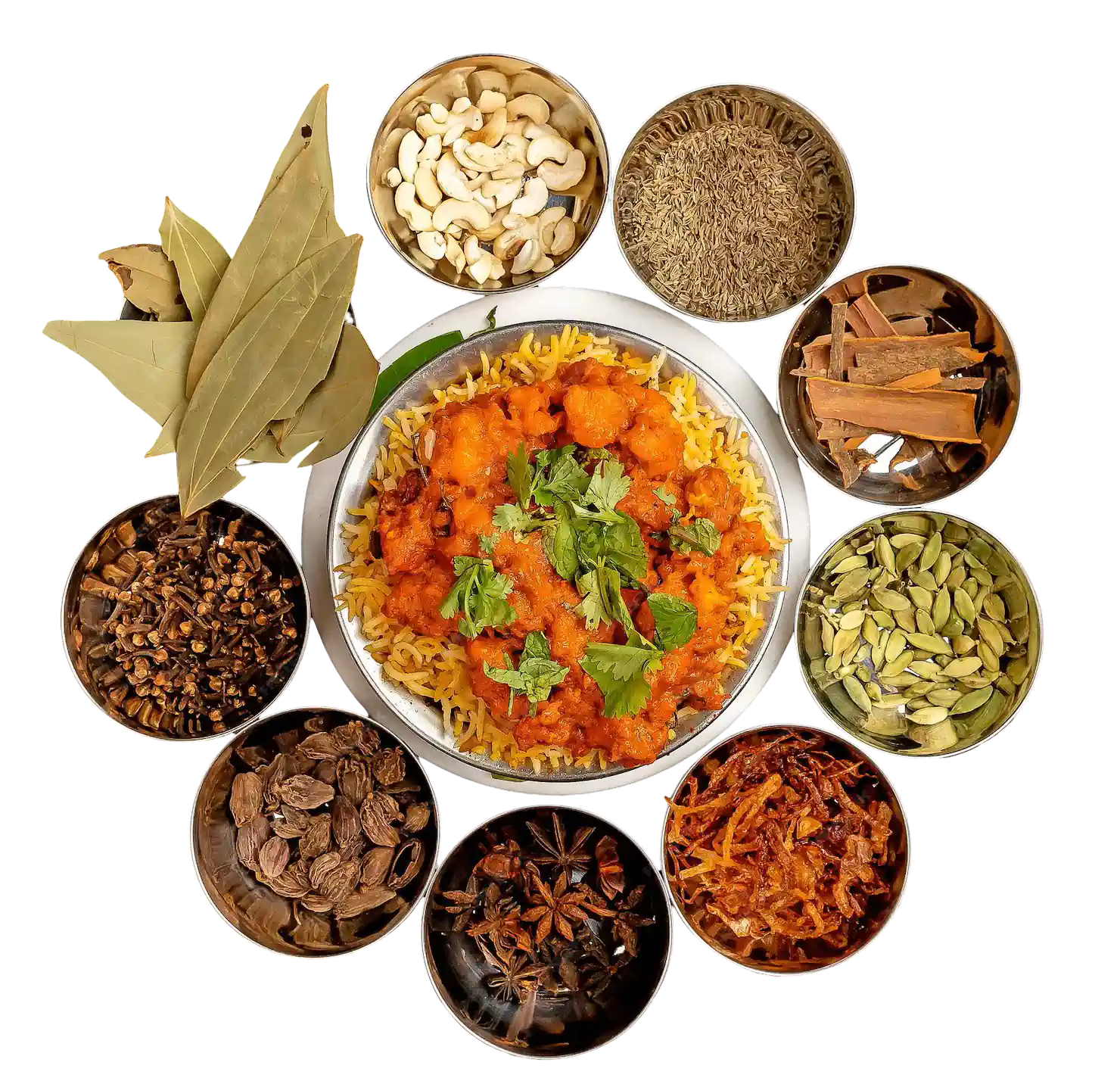
Ingredients for Vrat Ke Aloo
This recipe serves 2-3 people.
Main Ingredients:
- 3-4 medium Potatoes (Aloo)
- 2 tablespoons Ghee or Peanut Oil (for frying)
- 1 teaspoon Cumin Seeds (Jeera)
- 2-3 Green Chilies – slit lengthwise
- 1 tablespoon Coriander Leaves – chopped (for garnish)
Spices (Vrat-Friendly):
- Sendha Namak (Rock Salt) – to taste
- ½ teaspoon Black Pepper Powder (Kali Mirch)
- 1 teaspoon Dry Mango Powder (Amchur) – optional, for tanginess
- ½ teaspoon Roasted Cumin Powder (optional)
Alternatives:
- If you don’t have amchur, use fresh lemon juice at the end.
- You can add grated ginger for extra flavor.
- Some people add a pinch of hing (asafoetida) if allowed in your fasting tradition.

Step-by-Step Recipe Method
1st Step:
Wash the potatoes very well under running water. You can peel them or keep the skin on, as you like. Cut the potatoes into small cubes or thin slices. Try to make all pieces similar size so they cook evenly. Keep them in water until ready to use so they don’t turn brown.
2nd Step:
Heat a pan or kadhai on medium flame. Add 2 tablespoons ghee or peanut oil. Let it become hot but not smoking. If using desi ghee, it adds a nice flavor that is perfect for fasting food.
3rd Step:
Add 1 teaspoon cumin seeds to the hot ghee. Let them crackle for a few seconds until they become fragrant. Be careful not to burn them. You can also add a pinch of hing at this stage if your fasting tradition allows it.
4th Step:
Drain all water from the potato cubes and pat them dry with a clean kitchen towel. Dry potatoes become crispy when fried. Add the potatoes to the pan. Spread them in a single layer if possible.
5th Step:
Add slit green chilies to the pan. This adds spice and flavor. Stir gently to mix everything. Cook on medium heat for 2-3 minutes without stirring too much. This helps potatoes get a golden color.
6th Step:
Now add sendha namak (rock salt) to taste. Remember, sendha namak is less salty than regular salt, so you may need a little more than usual. Add black pepper powder and mix well.
7th Step:
Cover the pan with a lid and let the potatoes cook on low heat for 8-10 minutes. Stir occasionally so they don’t stick to the bottom. The steam inside helps cook the potatoes fully.
Tip: If potatoes are sticking to the pan, sprinkle a little water and scrape gently.
8th Step:
After 8-10 minutes, check if potatoes are cooked. Pierce with a knife – it should go in easily. If not fully cooked, cover and cook for 2-3 more minutes.
9th Step:
When potatoes are almost done, remove the lid. Increase heat to medium-high. Add dry mango powder (amchur) if using. Stir and cook for 2-3 minutes until potatoes become crispy and golden from outside.
10th Step:
Turn off the heat. Sprinkle roasted cumin powder on top if you have it. Garnish with fresh chopped coriander leaves. Serve hot immediately.
Pro Cooking Tips for Perfect Vrat Ke Aloo
-
Use Sendha Namak: Regular salt is not allowed during Navratri fast. Always use sendha namak (rock salt) for authentic vrat cooking.
-
Dry Potatoes Well: After cutting, pat the potatoes completely dry with a kitchen towel. This helps them become crispy instead of soggy.
-
Cook on Medium Heat: Cook potatoes on medium heat so they cook inside and become crispy outside. High heat will burn them from outside but leave inside raw.
-
Don’t Overcrowd the Pan: If making for many people, cook in batches. Too many potatoes in the pan will steam instead of fry and become mushy.
-
Add Amchur at the End: Dry mango powder should be added at the end. If added too early, it can burn and become bitter.
-
Use Ghee for Better Taste: Ghee adds a rich flavor that is perfect for fasting food. Peanut oil is also commonly used during vrat.
-
Biggest Mistake: Using regular salt by mistake. Always double-check that you are using sendha namak for fasting recipes.
State-wise Table of Ppular Ingredients Used During Navratri Fasting (vrat)
These ingredients are commonly allowed in vrat recipes like vrat ke aloo, sabudana khichdi, kuttu puri, etc.
| State / Region | Common Navratri Vrat Ingredients | Typical Vrat Dishes |
|---|---|---|
| Uttar Pradesh | Potato (Aloo), Sabudana, Kuttu Atta, Singhara Atta, Sendha Namak, Peanuts | Vrat ke Aloo, Sabudana Khichdi, Kuttu Puri |
| Delhi / North India | Potato, Sabudana, Singhara Atta, Kuttu Atta, Sama Rice (Samak), Curd, Peanuts | Sabudana Tikki, Samak Rice Khichdi |
| Uttarakhand | Potato, Kuttu Atta, Singhara Atta, Sama Rice, Sendha Namak, Curd, Ghee | Kuttu Roti, Sama Rice Khichdi, Aloo Jeera |
| Gujarat | Rajgira Atta, Shakarkandi (Sweet Potato), Peanut, Potato, Curd | Rajgira Paratha, Farali Chevdo |
| Maharashtra | Sabudana, Peanut Powder, Potato, Coconut, Ghee | Sabudana Khichdi, Sabudana Vada |
| Rajasthan | Kuttu Atta, Singhara Atta, Potato, Curd, Ghee | Kuttu Pakodi, Singhara Puri |
| Madhya Pradesh | Samak Rice, Sabudana, Potato, Peanuts | Samak Rice Pulao |
| Punjab | Potato, Kuttu Flour, Sabudana, Milk, Paneer | Kuttu Paratha, Sabudana Kheer |
| Bihar | Sama Rice, Potato, Singhara Atta, Peanut | Sama Rice Khichdi |
| West Bengal | Potato, Banana, Milk, Coconut, Fruits | Banana Fry, Fruit Prasad |
| South India | Coconut, Banana, Milk, Sago (Sabudana), Sweet Potato | Sago Payasam, Coconut Prasad |
Most Common Ingredients Used Across India
- Potato (Aloo)
- Sabudana (Sago)
- Kuttu Atta (Buckwheat flour)
- Singhara Atta (Water chestnut flour)
- Sama / Samak Rice (Barnyard millet)
- Sendha Namak (Rock salt)
- Peanuts
- Curd (Dahi)
- Milk & Ghee
- Fruits (banana, apple, pomegranate)
Variations & Substitutes to Try
-
Jeera Aloo (Simple Version): Skip green chilies and amchur. Just use cumin seeds, sendha namak, and black pepper. Very simple and tasty.
-
Khatta Meetha Aloo: Add a little sugar (if allowed in your fast) along with amchur for sweet and sour taste.
-
Aloo Sabzi (With Gravy): After frying potatoes, add water and cook to make a semi-dry gravy. Add sendha namak and spices.
-
Baked Vrat Aloo: Toss potato cubes with ghee, sendha namak, and spices. Bake at 200°C for 20-25 minutes until crispy. Healthier option.
-
Jain Version: This recipe is already Jain-friendly as it has no onion and garlic. Just ensure no root vegetables are used other than potatoes.
-
With Peanuts: Add roasted peanuts at the end for extra protein and crunch. Peanuts are allowed during fast.
Serving Suggestions: Best Ways to Enjoy
-
With Vrat Ke Chawal: Serve with samak ke chawal (barnyard millet) or kuttu ka paratha for complete fasting meal.
-
With Curd: A bowl of fresh curd (dahi) on the side makes a perfect combination. Curd is cooling and allowed during fast.
-
With Fruit Chaat: Serve with fresh fruit chaat for light and healthy fasting thali.
-
As Snack: Enjoy these crispy potatoes as evening snack during fasting days.
-
With Vrat Ke Pakore: Pair with kuttu ke pakore or singhare ke pakore for special fasting feast.
-
Best Occasion: Perfect for Navratri, Shivratri, Ekadashi, and any fasting days.
FAQs: Your Vrat Ke Aloo Questions Answered
Q1: Can I use regular salt for vrat ke aloo?
A1: No, regular salt is not allowed during Navratri fast. Always use sendha namak (rock salt) for all vrat recipes.
Q2: What oil is allowed during Navratri fast?
A2: Desi ghee, peanut oil, and mustard oil are commonly used. Regular refined oil is not allowed by many people.
Q3: Can I add onion and garlic to vrat ke aloo?
A3: No, onion and garlic are not eaten during Navratri fast. This recipe keeps that in mind and uses only allowed ingredients.
Q4: My potatoes became mushy. What went wrong?
A4: This happens if you overcrowded the pan or added water while cooking. Cook in single layer and avoid adding water.
Q5: Can I make vrat ke aloo ahead of time?
A5: These taste best fresh and hot. But you can boil potatoes ahead and keep in fridge. Fry with spices when needed.
Q6: Is potato allowed in all fasts?
A6: Yes, potato is allowed in most Hindu fasts including Navratri, Shivratri, and Ekadashi. It is considered a vrat-friendly vegetable.
Conclusion
So friends, now you know how to make perfect vrat ke aloo for your fasting days. This simple, tasty dish will make your Navratri fast more enjoyable. The crispy potatoes with cumin and sendha namak are so good that you will forget you are fasting.
Fasting doesn’t mean eating boring food. With recipes like this, you can enjoy delicious meals while following your fasting rules. Your family will love these potatoes too.
I hope you try this recipe during Navratri. Please make it and tell me in the comments how it turned out! Share your photos and stories. For more vrat recipes, check out our Shivratri Vrat Aloo Sabzi Without Onion Garlic and Thandai Drink Recipe.
Happy Navratri and happy fasting!