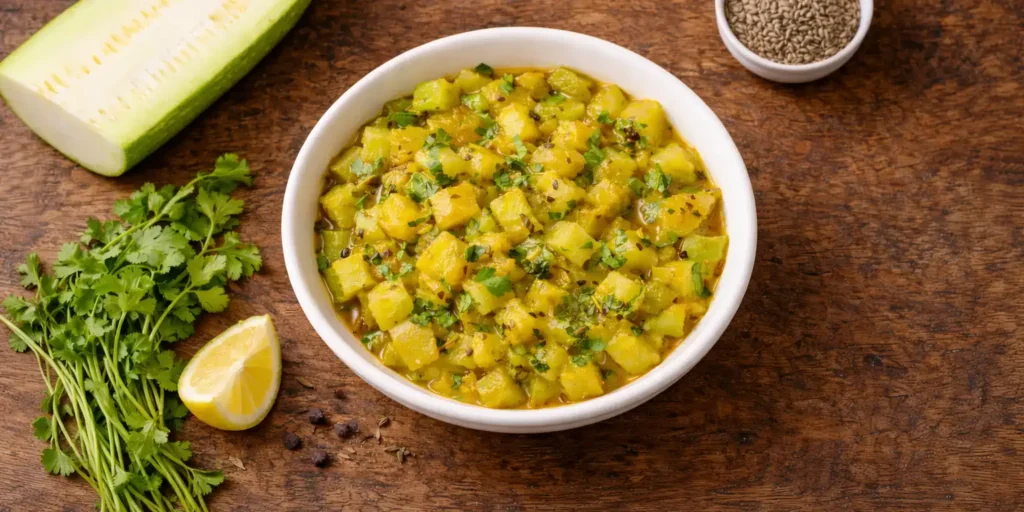
No Oil Cooking Recipes Indian: Yes, Your Food Can Still Be Tasty!
Namaste, health-conscious friends! Let’s talk about a common tricky situation. On one side, there’s our deep love for the very tasty tadka of ghee and oil in our curries. On the other hand, there’s the doctor’s advice, the weight loss goal, or just the wish to eat lighter. Does choosing health mean saying goodbye to flavourful Indian food? Absolutely not! Welcome to the world of no oil cooking recipes Indian style, where we unlock the true, natural taste of ingredients, proving that delicious food doesn’t need to swim in oil.
Think about it: the core of our cuisine is amazing spices, fresh vegetables, lentils, and herbs. Oil is often just a medium. When we cook without oil, these real flavours shine even brighter. Imagine a hearty dal that tastes purely of cumin and turmeric, or a sabzi where you can actually taste the sweetness of the pumpkin. This isn’t about missing out; it’s about finding again. Whether you’re controlling cholesterol, focusing on weight loss, or simply doing a digestive reset, these oil free Indian recipes are your ticket to feeling light, energetic, and very satisfied. Let’s dive into a traditional recipe that will change your mind about oil-free cooking forever.
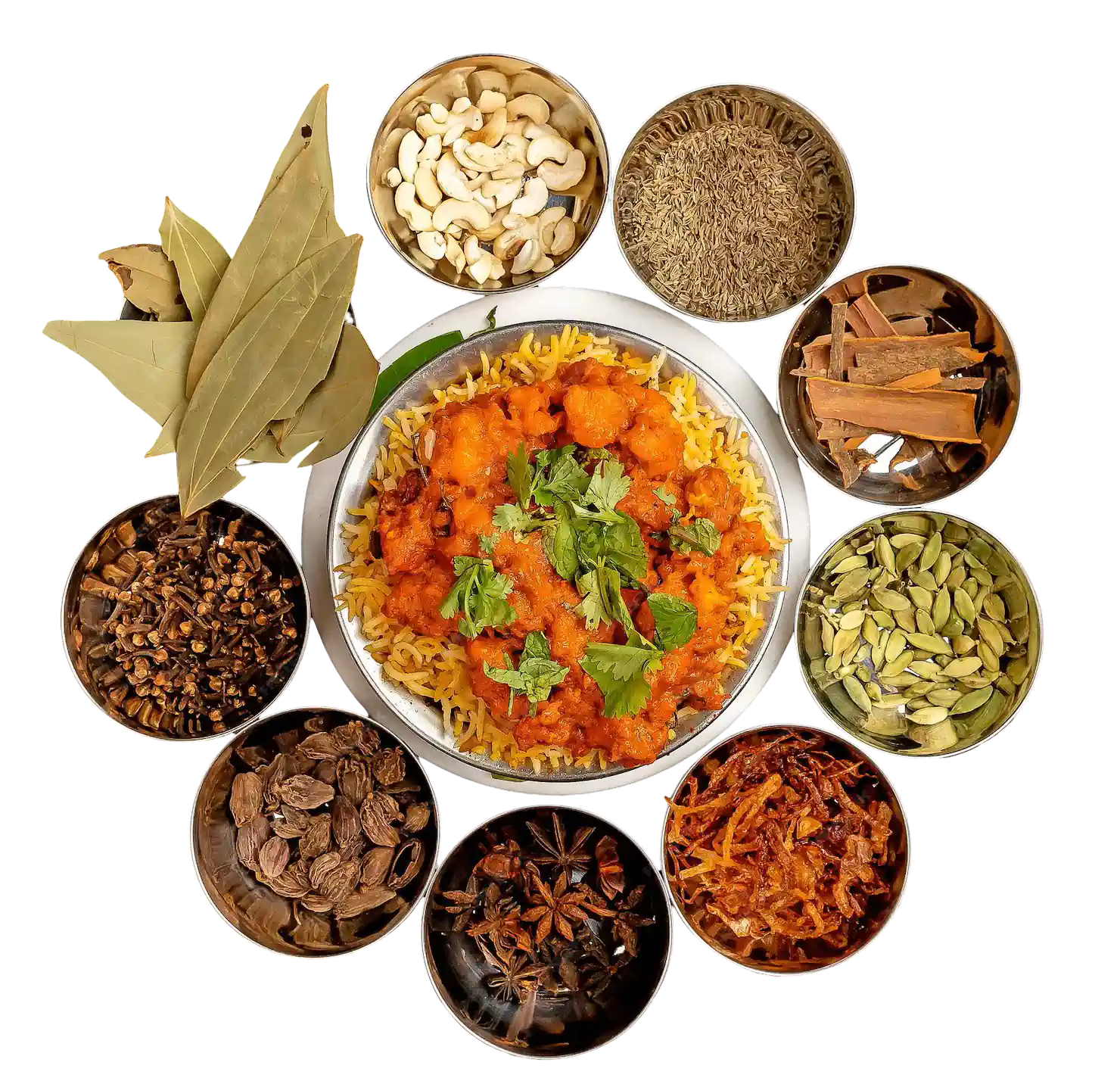
Ingredients for Oil-Free Lauki (Bottle Gourd) Sabzi
This simple, comforting sabzi is a perfect start. Serves 3-4.
Main Vegetable:
- 1 medium Lauki (Bottle Gourd), peeled and chopped into cubes (about 3 cups)
For the Flavour Base (Tadka without Oil):
- 1 tsp Cumin Seeds (Jeera)
- ½ tsp Mustard Seeds (Rai) – optional
- 1 generous pinch Asafoetida (Hing)
- 1-2 Dry Red Chillies
- 8-10 Curry Leaves
Spices & Herbs:
- ½ tsp Turmeric Powder
- 1 tsp Coriander Powder
- ½ – 1 tsp Red Chilli Powder (adjust to taste)
- 1 tbsp Dried Raw Mango Powder (Amchur) or juice of ½ lemon
- Salt to taste
- Fresh Coriander Leaves, chopped
The Secret for Cooking:
- 3-4 tbsp Water (for the initial “tadka” and cooking)

Step-by-Step Recipe Method: Without oil
The technique is everything. We use water to release the flavour of the spices.
-
Prep the Lauki: Peel and chop the lauki into even-sized cubes. Keep aside. Tip: If the lauki has big seeds, scoop them out. Young lauki with soft seeds can be cooked as is.
-
The Water “Tadka”: Heat a non-stick or heavy-bottomed kadhai/pan on medium heat. Add 2 tablespoons of water.
-
Let the Spices Cook: Once the water is warm (not boiling), add cumin seeds, mustard seeds, dry red chillies, and curry leaves. Let them sizzle in the water for about 30-40 seconds. The water will help them release their flavours without burning. Tip: This is the key step! The smell will start filling your kitchen.
-
Add Hing & Powders: Add the hing, turmeric powder, coriander powder, and red chilli powder. Stir quickly for 10 seconds in the remaining water to cook the raw smell off.
-
Add the Main Vegetable: Immediately add the chopped lauki cubes. Add salt. Mix everything well so the spices coat the lauki.
-
Cook Covered: Add about ¼ cup more water. Cover the pan with a lid. Let it cook on medium-low heat for 15-20 minutes. The lauki will release its own water and cook in its juices.
-
Check & Finish: After 15 minutes, check if the lauki is tender. If there’s excess water, cook uncovered for a few minutes to let it dry up. If it’s too dry and sticking, sprinkle a little more water.
-
Final Touch: Once the lauki is soft and cooked, turn off the heat. Sprinkle amchur powder or lemon juice. Decorate with loads of fresh coriander.
-
Serve Hot: Your flavourful, guilt-free, oil-free lauki sabzi is ready!
Pro Cooking Tips for Best Oil-Free Indian Food
-
Invest in a Good Non-Stick Pan: A quality heavy-bottomed non-stick kadhai is your best friend. It prevents sticking and makes the process easy.
-
Low & Slow is the Way: Oil spreads heat fast. Without it, you need to cook on a lower flame and be a bit more patient. This actually helps vegetables keep more nutrients.
-
Water is Your New Oil: Use small amounts of water, broth, or even tomato puree to sauté spices and prevent ingredients from sticking to the pan.
-
Sour Taste is Key: Since we’re not using fat to carry flavours, a dash of lemon juice, amchur, or tomatoes at the end improves the taste of the entire dish beautifully.
-
Don’t Put Too Much Together: Cooking in batches if needed. Overcrowding leads to steaming instead of slight light browning, and vegetables can become mushy.
-
Biggest Mistake: Adding too much water at once. This boils the vegetables, making them too soft and tasteless. Add just a few tablespoons at a time.
Variations & Substitutes to Try
Here are some easy ideas to change up your oil-free cooking. You can use the same “water tadka” method from our main recipe.
- Oil-Free Dal Tadka: This is very simple. First, cook your regular moong dal or masoor dal in a pot. Once the dal is ready, take a small non-stick pan. Heat it up, add one spoon of water, and put in cumin seeds, a pinch of hing, and a dried red chilli. Let them sizzle for a few seconds until you get a nice smell. Then, pour this straight into your hot dal. It will taste amazing without any oil.
- Oil-Free Aloo Jeera: A quick and filling dish. First, boil 2-3 potatoes until soft, then cut them into cubes. In a pan, add 2 spoons of water and let it get warm. Add cumin seeds and let them cook for 20 seconds. Now, add your potato cubes, salt, red chilli powder, and a big pinch of amchur (dry mango powder). Mix everything and cook on a low flame for 4-5 minutes, until the potatoes get a little dry and take on all the flavours.
- Vegan & Jain-Friendly: All these no oil Indian recipes are already vegan because they use no ghee, butter, or dairy. To make them Jain (for fasting days like Paryushan), just avoid root vegetables. So, no potatoes, onions, or garlic. Instead, use vegetables that grow above the ground like bottle gourd (lauki), pumpkin (kaddu), tomatoes, capsicum, and spinach. The cooking method stays exactly the same.
- For More Protein: If you want to make your meal more filling and good for muscles, add protein. To the lauki sabzi, mix in a cup of boiled chickpeas (kabuli chana) or boiled whole green gram (sabut moong) in the last 5 minutes of cooking. Let them heat through. You can also make a simple sprouts salad with boiled moong sprouts, chopped onions, tomato, lemon, and salt.
- Using an Air Fryer: If you have an air fryer, it becomes very easy to make crispy things without oil. You can make oil-free pakoras by making a batter of besan (gram flour) with water and spices, putting small drops in the air fryer basket. You can also roast veggies like potatoes, cauliflower, or paneer cubes in it. For a “tandoori” taste, marinate veggies or paneer in thick curd and spices for 30 minutes, then air fry until done. It’s a very helpful tool for healthy cooking.
Serving Suggestions: Complete Your Healthy Meal
An oil-free meal should be a healthy mix and satisfying.
-
Pair it Right: Serve your oil-free sabzi with jowar or bajra roti (which are also cooked without oil), or with a portion of brown rice.
-
With Dal & Salad: A bowl of simple, oil-free dal and a fresh cucumber-tomato kachumber (with lemon and rock salt) makes a perfect thali.
-
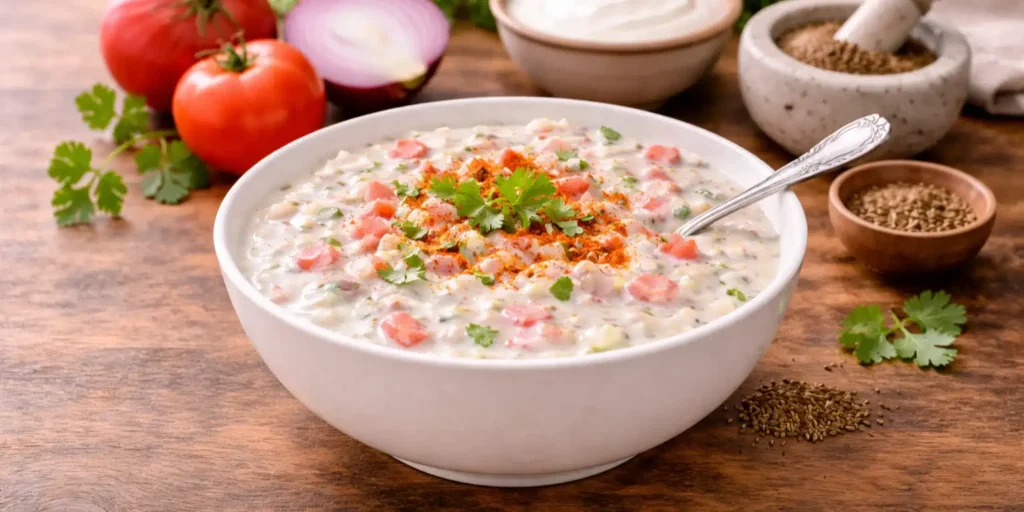
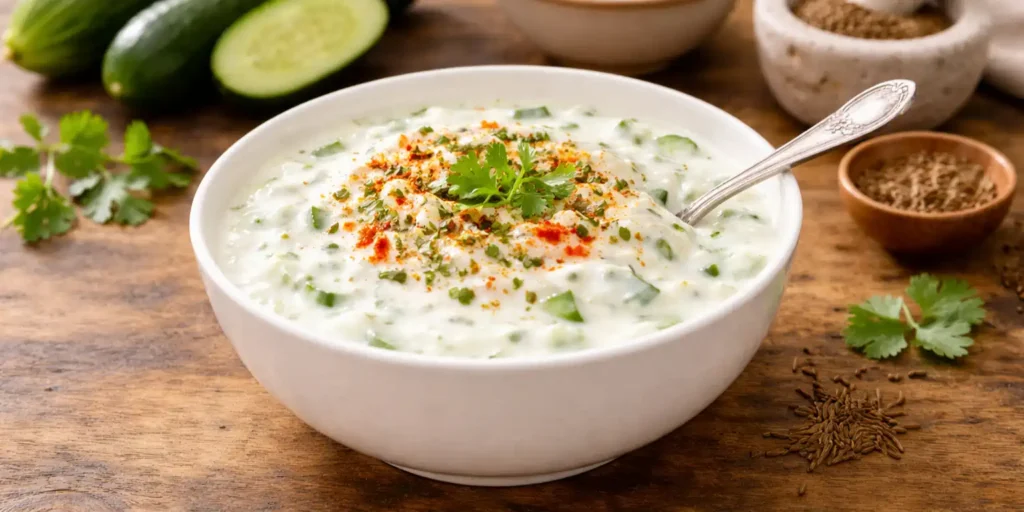
With Raita: A cooling bowl of boondi raita (use low-fat curd) goes well with the simplicity of the sabzi.
-
Best Time to Eat: Ideal for lunch or an early, light dinner. Perfect for daily healthy eating, post-illness recovery, or a weekly detox meal.
FAQs: Your No Oil Cooking Questions Answered
Q1: Is food cooked without oil tasty?
A1: Yes! It has a different, cleaner taste where the natural flavours of spices and vegetables stand out. It may take 1-2 meals for your palate to adjust, but it’s very satisfying.
Q2: Can I make no oil tadka for dal?
A2: Absolutely. Use the water-sauté method described in the recipe above. The spices will still fill the dal with great flavour.
Q3: What are the health benefits of no oil cooking?
A3: It can help in weight management, improve heart health by reducing bad cholesterol, ease digestion, and is great for people with gallbladder or liver issues.
Q4: Can I use ghee instead of oil for a healthier option?
A4: For a healthier cooking medium, a small amount of ghee or cold-pressed oil is better than refined oil. But this post is specifically for strictly no oil cooking.
Q5: Which Indian recipes are easiest to make without oil?
A5: Dal, Kadhi, Sambhar, steamed dhokla, lauki/ghiya sabzi, tomato-based curries (like an oil-free version of Aloo Tamatar), and boiled sprouts chaat are all excellent starts.
Conclusion
Accepting no oil cooking recipes Indian style is not about giving up your food tradition; it’s about accepting its healthier, purer roots. It’s a thoughtful choice that makes you feel good from the inside out. The Lauki Sabzi is just the beginning—a proof that simple, clean food can be incredibly delicious.
I urge you to try this method for one week. Notice how light and energetic you feel. Please cook this recipe, and come back to tell me your experience in the comments! Was it easier than you thought? How did your family react? For more inspiration, explore our High Protein Indian Breakfast for Weight Loss or a refreshing Power-Packed Quinoa Buddha Bowl – Healthy & Complete in 30 Minutes! recipe.
Here’s to your health and happy, flavorful cooking!