Hakka Noodles: Street Style Indo-Chinese Favorite
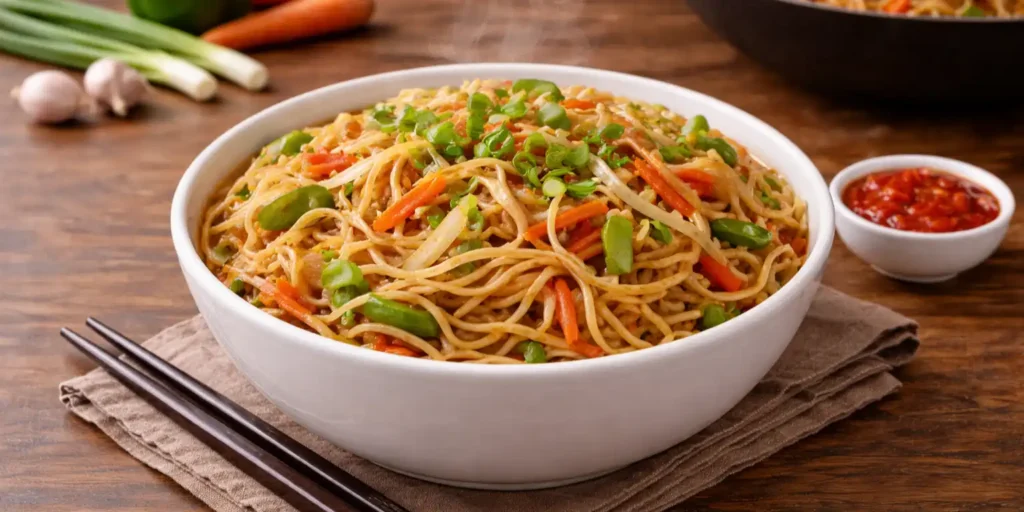
Hello friends! Today I am sharing one of the most loved Indo-Chinese dishes – Hakka Noodles. These stir-fried noodles with vegetables are a staple at every Chinese restaurant and street food stall in India. The smoky flavor, the crunchy vegetables, and the perfectly cooked noodles make it so special .
Imagine the smell of noodles sizzling in a hot wok with ginger, garlic, and soy sauce. The aroma fills your kitchen and makes everyone hungry. When you take a bite, you get soft noodles with crunchy vegetables and that perfect balance of salty and spicy. This hakka noodles recipe will give you that exact street style taste at home .
Making hakka noodles at home is very easy. You just need to boil noodles properly, prepare all your vegetables, and stir fry on high heat. In just 15-20 minutes, you can make a restaurant-quality dish that everyone will love. Let me show you how to make this delicious noodles recipe step by step.
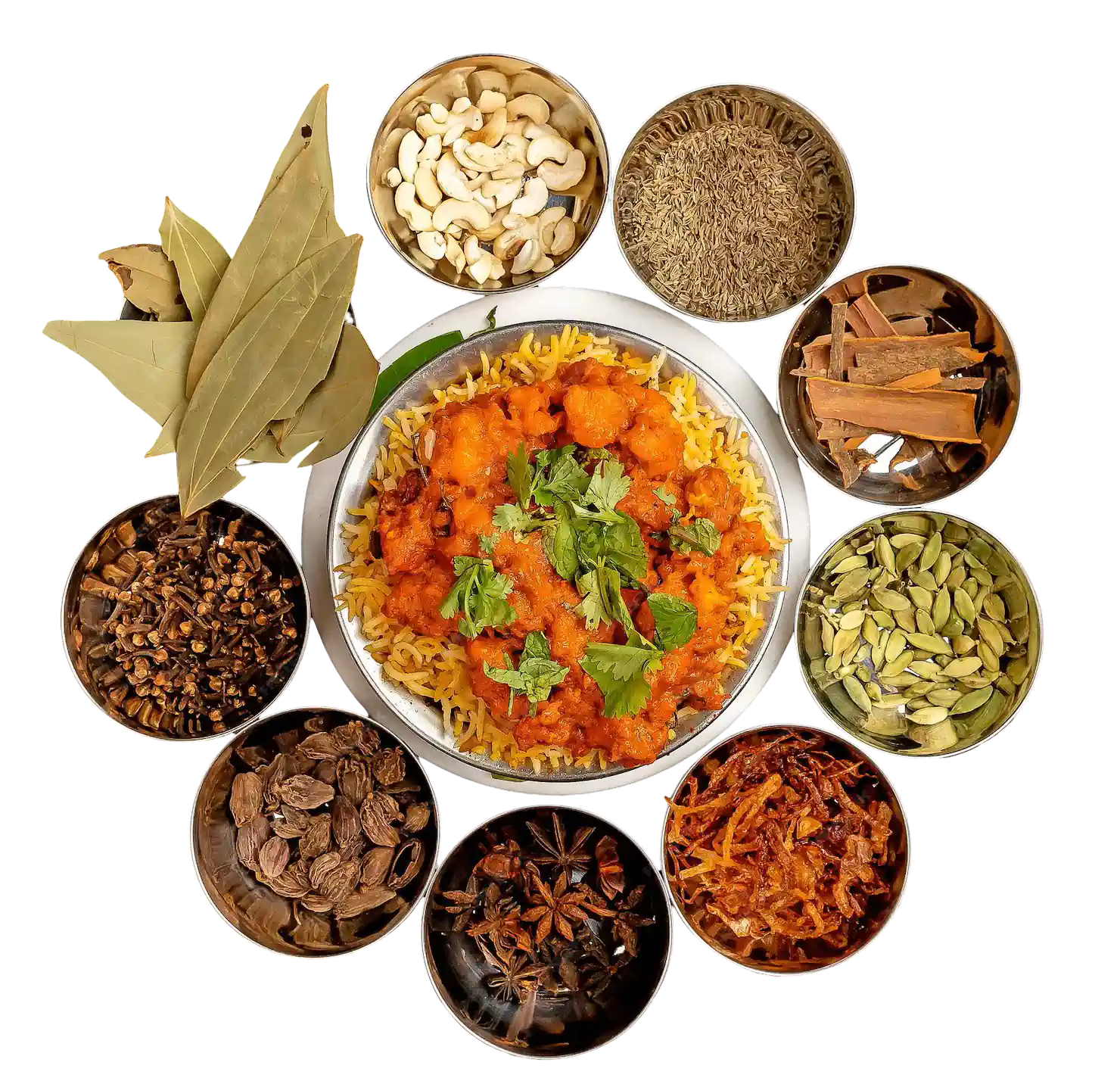
Ingredients for Perfect Hakka Noodles
For Boiling Noodles:
- 200 grams Hakka Noodles or any noodles
- 4-5 cups Water
- 1 teaspoon Salt
- 1 teaspoon Oil
For Vegetables:
- 1 medium Onion – thinly sliced
- 1 medium Capsicum – thinly sliced
- 1 small Carrot – cut into thin strips (juliennes)
- ½ cup Cabbage – shredded
- ¼ cup Spring Onions – chopped (white and green parts separate)
- 4-5 French Beans – thinly sliced (optional)
For Sauce Mixture:
- 2 tablespoons Soy Sauce
- 1 tablespoon Red Chili Sauce (adjust to spice level)
- 1 tablespoon Tomato Ketchup
- 1 teaspoon Vinegar
- ½ teaspoon Black Pepper Powder
- ½ teaspoon Sugar (optional)
- Salt to taste (remember sauces already have salt)
For Stir Frying:
- 2 tablespoons Oil (any neutral oil)
- 1 tablespoon Ginger – finely chopped
- 1 tablespoon Garlic – finely chopped
- 2-3 Green Chilies – slit lengthwise
For Garnish:
- Spring Onion Greens – chopped
- Sesame Seeds (optional)

Step-by-Step Recipe Method
1st Step: Boil the Noodles
- Boil water in a large pot. Add 1 teaspoon salt and 1 teaspoon oil.
- Add noodles to the boiling water. Cook according to package instructions.
- Stir gently with a fork so noodles don’t stick together.
- Check if noodles are done. They should be soft but still firm when you bite (al dente).
- Do not overcook. Overcooked noodles become mushy and break while stir frying.
- Drain the noodles in a colander. Rinse immediately with cold water to stop cooking.
- Add 1 teaspoon oil and toss gently. This prevents noodles from sticking.
- Keep the boiled noodles aside.
2nd Step: Prepare All Vegetables and Sauce
- While noodles boil, prepare all vegetables.
- Slice onion thinly. Slice capsicum thinly.
- Cut carrot into thin strips (juliennes). Shred cabbage.
- Chop spring onions, keep white and green parts separate.
- Chop ginger and garlic finely. Slit green chilies lengthwise.
- In a small bowl, mix soy sauce, red chili sauce, tomato ketchup, vinegar, black pepper powder, and sugar.
- Keep this sauce mixture ready. This saves time while cooking.
3rd Step: Heat the Wok and Add Aromatics
- Heat a large wok or kadhai on high heat. The wok must be very hot for that street style taste.
- Add 2 tablespoons oil. Swirl to coat the wok.
- When oil is hot, add chopped ginger and chopped garlic.
- Stir fry for 30-40 seconds until fragrant. Do not burn the garlic.
- Add slit green chilies. Stir for another 10 seconds.
4th Step: Stir Fry the Vegetables
- Add sliced onions and white parts of spring onions.
- Stir fry on high heat for 1 minute. Onions should remain crunchy.
- Add capsicum, carrot strips, and shredded cabbage.
- Stir fry on high heat for 2-3 minutes. Vegetables should be crunchy, not soft.
- Keep tossing everything continuously for even cooking.
Tip: High heat and quick cooking keeps vegetables crunchy and colorful.
5th Step: Add Noodles and Sauce
- Lower the heat to medium. Add the boiled noodles to the wok.
- Pour the prepared sauce mixture over the noodles.
- Toss everything very well using two spatulas or tongs.
- Mix until noodles are evenly coated with sauce and vegetables are spread throughout.
- Increase heat to high and toss for 1-2 minutes. This gives that smoky flavor.
6th Step: Final Touch and Garnish
- Taste the noodles. Add more salt or pepper if needed.
- Turn off heat. Transfer to serving plate or bowl.
- Garnish with lots of chopped spring onion greens.
- Sprinkle some sesame seeds if you like.
- Serve hot immediately.
Pro Cooking Tips for Perfect Hakka Noodles
- Use High Heat: Always cook on high heat for that street style smoky flavor. Low heat will make vegetables soggy.
- Don’t Overcook Noodles: Noodles should be firm. Overcooked noodles become mushy and break while tossing.
- Prep Everything First: Indo-Chinese cooking is very fast. Keep all ingredients ready before you start.
- Don’t Overcrowd the Wok: Cook in batches if making large quantity. Overcrowding reduces heat and makes food soggy.
- Crunchy Vegetables: Vegetables should remain slightly crunchy. They add texture to the dish.
- Toss, Don’t Stir: Use a tossing motion to mix noodles. This coats them evenly without breaking.
- Biggest Mistake: Adding too much sauce or water. Noodles should be coated, not soggy.
Variations & Substitutes to Try
- Schezwan Noodles: Add 1-2 tablespoons Schezwan sauce along with other sauces for spicy version.
- Garlic Noodles: Double the amount of garlic for extra garlicky flavor.
- Chicken Hakka Noodles: Add boiled shredded chicken or small chicken pieces. Stir fry with vegetables.
- Egg Noodles: Scramble 2 eggs separately and add at the end. Mix gently.
- Jain Version: Skip onion and garlic. Use ginger and asafoetida (hing) for flavor. Use only capsicum, carrot, cabbage.
- Gluten-Free Version: Use rice noodles or buckwheat noodles. Use gluten-free soy sauce (tamari).
- Vegetable Loaded: Add mushrooms, baby corn, broccoli, snow peas – any vegetables you like.
Serving Suggestions
- With Manchurian: Serve with veg manchurian or gobi manchurian. Classic combination!
- With Chilli Paneer: Serve with dry or gravy chilli paneer for special dinner.
- As a Meal: Hakka noodles are a complete meal by themselves. Add a side of manchurian.
- With Fried Rice: Make both noodles and fried rice for a Indo-Chinese feast.
- Party Food: Make a big batch for parties and get-togethers. Everyone loves noodles.
- Best Occasion: Perfect for weekend dinners, parties, rainy evenings, and Indo-Chinese cravings.
FAQs: Your Hakka Noodles Questions Answered
Q1: Can I use any noodles for this recipe?
A1: Yes, you can use Hakka noodles, ramen noodles, or even spaghetti. Cook according to package instructions.
Q2: My noodles become mushy. Why?
A2: You likely overcooked them or used too much water in sauce. Boil noodles until just firm. Drain well. Don’t add extra water while cooking.
Q3: How to make noodles less spicy?
A3: Reduce red chili sauce and skip green chilies. Add more ketchup for sweetness.
Q4: Can I make this ahead of time?
A4: Noodles are best eaten fresh. But you can prep all vegetables and boil noodles ahead. Stir fry just before serving.
Q5: Is this recipe vegan?
A5: Yes, this recipe is vegan if you use vegan noodles (check ingredients). All other ingredients are plant-based.
Q6: How to get that restaurant smoky flavor?
A6: Cook on very high heat. Use a well-seasoned wok. Some restaurants use a smoking technique with charcoal.
Conclusion
So friends, now you know how to make perfect hakka noodles at home. This street style Indo-Chinese dish is so easy and so tasty. The combination of soft noodles, crunchy vegetables, and flavorful sauces makes it irresistible.
Next time you crave Chinese food, don’t order from outside. Make this at home. It will be fresher, healthier, and just as tasty. Your family will love it.
I hope you try this recipe this weekend. Please make it and tell me in the comments how it turned out! Share your photos and stories. For more Indo-Chinese recipes, check out our Veg Manchurian and Chilli Paneer .
Happy cooking and happy eating!