
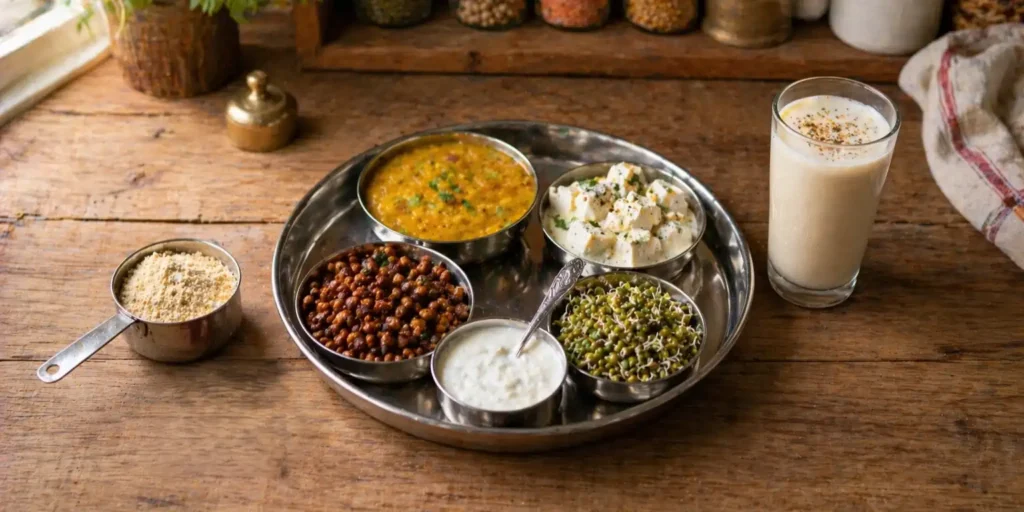
Indian vegetarian protein sources – this topic makes me so happy, you have no idea. For years, people told me, “Beta, you don’t eat meat? Where will you get protein? Your muscles will fall off.” I used to believe them. I mean, I would look at my plate of dal-chawal and feel… inadequate. But then I started reading. And researching. And asking my grandmother (who never touched an egg in her life but lived till 92 with strong bones). And guess what? Our traditional Indian kitchen is a protein powerhouse. We just never gave it credit.
The smell of a simple moong dal khichdi, the sight of a paneer tikka sizzling, the crunchy texture of roasted chana – all of these are packed with protein. I am not saying we should ignore science. Yes, meat has protein. But we vegetarians have enough options if we know where to look. And honestly, the best part? These desi protein sources are cheap, available in every kirana store, and taste like home.
Indian Vegetarian Protein Sources
Let me take you on a tour of the indian vegetarian protein sources that I personally rely on. No expensive imported powders. No weird ingredients. Just real food.
A small tangent: I once went on a “high protein diet” recommended by a gym bro. He told me to eat 8 egg whites a day. I am vegetarian since birth. That lasted exactly zero days. So I had to find my own way. This list is my way.
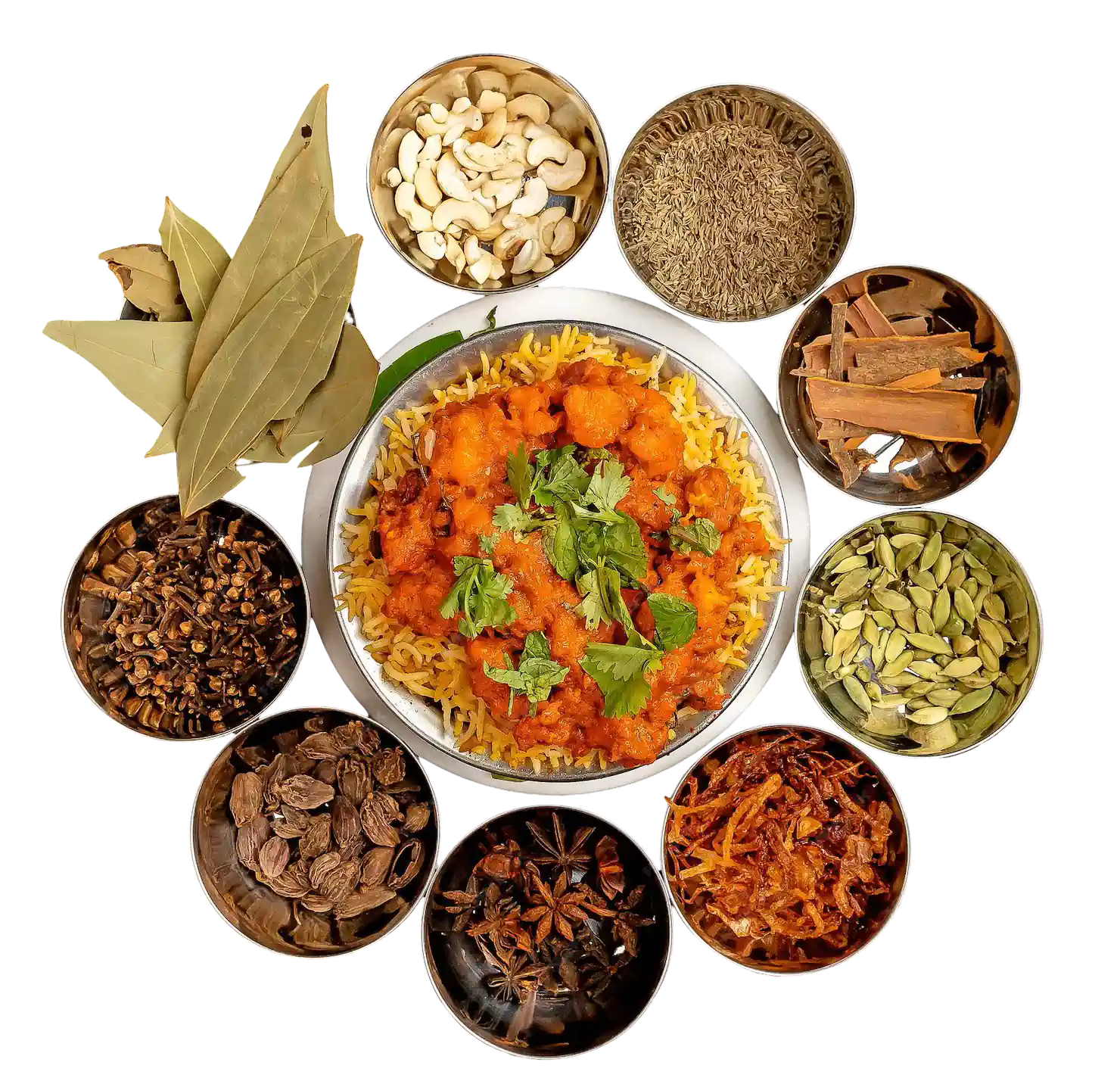
Ingredients (Actually, The Protein Sources List)
Top 10 Indian Vegetarian Protein Sources
-
Moong dal (green gram split) – 24g protein per 100g (uncooked). The king of dals for easy digestion.
-
Paneer (cottage cheese) – 18g protein per 100g. Creamy, versatile, and everyone loves it.
-
Chana (chickpeas) – kabuli or desi – 19g protein per 100g (cooked). Makes brilliant chole.
-
Rajma (kidney beans) – 17g protein per 100g. Comfort food with a protein punch.
-
Soya chunks (nuggets) – 52g protein per 100g. The vegetarian bodybuilder’s best friend.
-
Tofu (soy paneer) – 17g protein per 100g. Lighter than paneer, perfect for vegan meals.
-
Dahi (curd/yogurt) – 11g protein per 100g. Everyday chai ka saathi? Not exactly, but close.
-
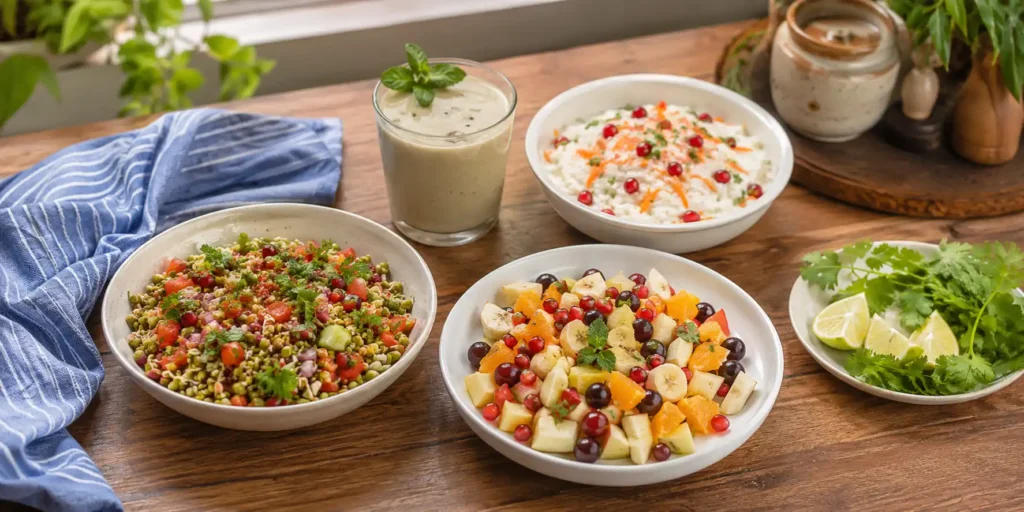
Sprouts (mixed moong, matki, chana) – 13g protein per 100g. Crunchy, alive, and full of enzymes.
-
Peanuts (moongphali) – 26g protein per 100g. Chai time protein snack.
-
Sattu (roasted gram flour) – 22g protein per 100g. The energy drink of Bihar farmers.
Alternatives (for allergies or preferences)
-
No dairy (paneer, dahi)? Use tofu and coconut curd. Same protein, zero lactose.
-
No soy (soya chunks, tofu)? Use seitan (wheat gluten) if you eat wheat, or increase legumes.
-
No nuts? Seeds like pumpkin or sunflower seeds – 19g protein per 100g.
-
No dal? Use quinoa (14g protein) or amaranth (13g) – gluten-free grains.
Step-by-Step Method to Build a High-Protein Vegetarian Meal
1st Step: Start with a Protein-Rich Dal
Pick one dal – moong, masoor, toor, or urad. Cook it with less water so it is thick, not soupy. Add a dollop of ghee or oil. A thick dal has more protein per spoon because you are not filling up on water. My favourite: moong dal with palak – the iron plus protein combo is killer.
Do not overcook dal until it becomes watery. Keep it hearty. You want to chew a little, not just drink.
2nd Step: Add a Soy or Paneer Dish
Make a small side dish using paneer, tofu, or soya chunks. Even 50 grams is enough. For example, a quick paneer bhurji or soya chunk masala. The texture of soya chunks – when cooked well – is meaty and satisfying. I sometimes hide them in my kids’ sabzi. They never notice.
Pro tip: Rehydrate soya chunks in hot water with a pinch of salt for 10 minutes. Then squeeze out the water. This removes any bitter taste.
3rd Step: Include a Bowl of Curd or Buttermilk
After your meal, eat a small bowl of fresh dahi. Or drink a glass of chaas (buttermilk) with roasted cumin and black salt. This not only adds protein but also helps digestion. The probiotics break down the dal and beans. Grandmother wisdom, you know.
4th Step: Replace White Rice with a Grain + Legume Combo
Instead of plain white rice, try rice + dal (already a complete protein). Or make khichdi with a 1:1 ratio of rice and moong dal. Even better, use millets like ragi or jowar. Ragi has about 7g protein per 100g – not huge, but combined with dal, it becomes a complete amino acid profile.
Do not believe the myth that only animal protein is “complete”. Rice and dal together give you all essential amino acids. Our ancestors were smart.
5th Step: Sprout Your Legumes
Take ½ cup of whole moong or chana. Soak overnight. Drain water. Tie in a cotton cloth for 12 hours. Tiny white tails appear. These sprouts have more protein than unsprouted beans (the germination process increases bioavailability). Add them raw to salads or lightly steam with salt and lemon. The crunch is addictive.
I sometimes forget to drain the water and the sprouts get smelly. So set a reminder. Your nose will thank you.
6th Step: Use Sattu as a Drink or Paratha Filling
Mix 2 tablespoons of sattu with cold water, a pinch of black salt, roasted cumin powder, and a few mint leaves. Stir well. Drink it as a cooling summer protein shake. Or make sattu paratha – knead the powder into wheat dough with spices. Much healthier than aloo paratha.
The smell of sattu is earthy, like roasted gram. Some people dislike it. Add lemon juice. Problem solved.
7th Step: Snack on Roasted Chana or Peanuts
Between meals, do not reach for biscuits. Keep a small box of roasted chana (bhuna chana) or roasted peanuts with skin. A handful gives you 5-6 grams of protein. The crunch hits that 4 PM hunger. Also, try chana jor garam – the street-style snack. Just avoid the oily versions.
8th Step: Finish with a Protein-Rich Drink
Before sleeping, drink a glass of haldi doodh (turmeric milk) but add a scoop of paneer whey? No, keep it simple. Add a teaspoon of ghee and a pinch of cardamom. Or make badam milk – soak almonds overnight, peel, blend with milk. Almonds have 21g protein per 100g. Much better than chocolate powder.
Pro Cooking Tips (to Retain Maximum Protein)
-
Mistake to avoid: Overcooking dal and beans. High heat for too long destroys lysine – an important amino acid. Cook just until soft, not mushy.
-
Soaking is non-negotiable: Always soak legumes for at least 6 hours. It reduces phytic acid, which blocks protein absorption. Your body absorbs more protein from soaked beans.
-
Pair with vitamin C: Add amla, lemon, or raw tomatoes to your dal or sabzi. Vitamin C helps absorb plant-based iron (which often comes with protein). A sprinkle of lemon juice on chana works wonders.
-
Do not throw away the cooking water: The water used to boil dal (the “stock”) contains soluble protein and B vitamins. Use it to knead roti dough or drink as a soup.
-
Rotate your proteins: Do not eat only paneer every day. Different sources have different amino acid profiles. Rotate – moong dal one day, chole another, soya chunks a third.
-
Avoid deep frying: Bhujia, namkeen, and fried paneer pakoras lose protein quality due to high heat. Bake, roast, or steam instead.
Variations & Substitutes for Special Diets
Jain version (no root vegetables, no onion-garlic): Use moong dal, legumes, peanuts, dairy (paneer, dahi). Avoid potatoes, onion, garlic, ginger. Sattu is excellent for Jains. Also use raw banana flour – surprisingly high in protein.
Vegan version: Replace paneer with tofu and seitan. Replace dahi with coconut or soy curd (store-bought or homemade). Use nutritional yeast (not traditional Indian, but adds B12 and protein).
Gluten-free version: Avoid seitan and wheat-based products. Stick to all dals, legumes, millets (ragi, jowar, bajra), nuts, seeds, tofu, and soy chunks (check label – some have wheat flour).
Low-carb version (for diabetes or weight loss): Increase soy chunks, tofu, paneer, and sprouts. Reduce rice and roti. Use sattu drink instead of a grain-based meal. Sattu has slow-release carbs.
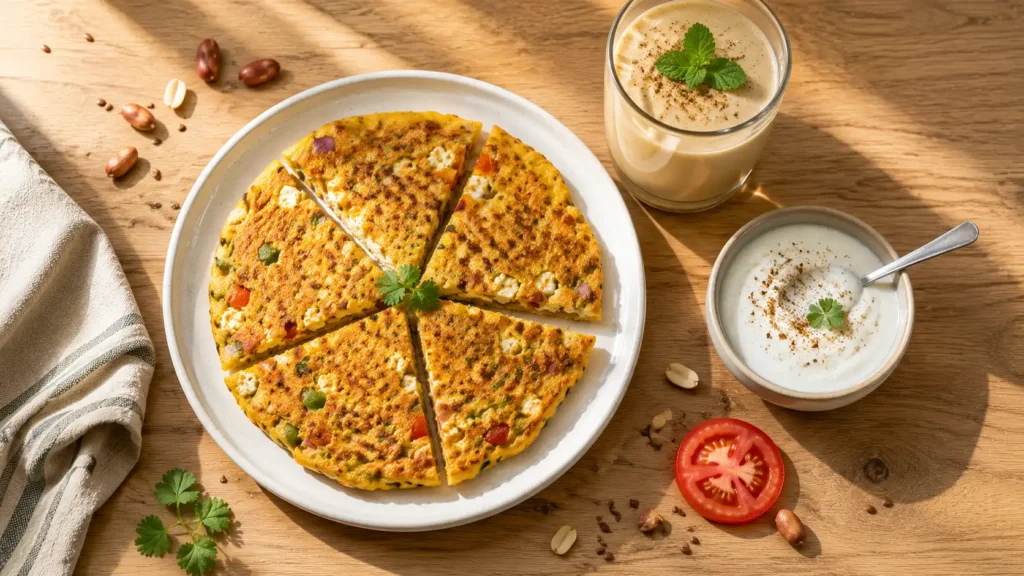
Kid-friendly version: Make paneer fingers (baked, not fried), soy chunk “nuggets”, or chana chaat. My nephew eats moong dal cheela (savory pancake) without knowing it is protein-rich.
Serving Suggestions
How to serve these protein sources in daily Indian meals:
-
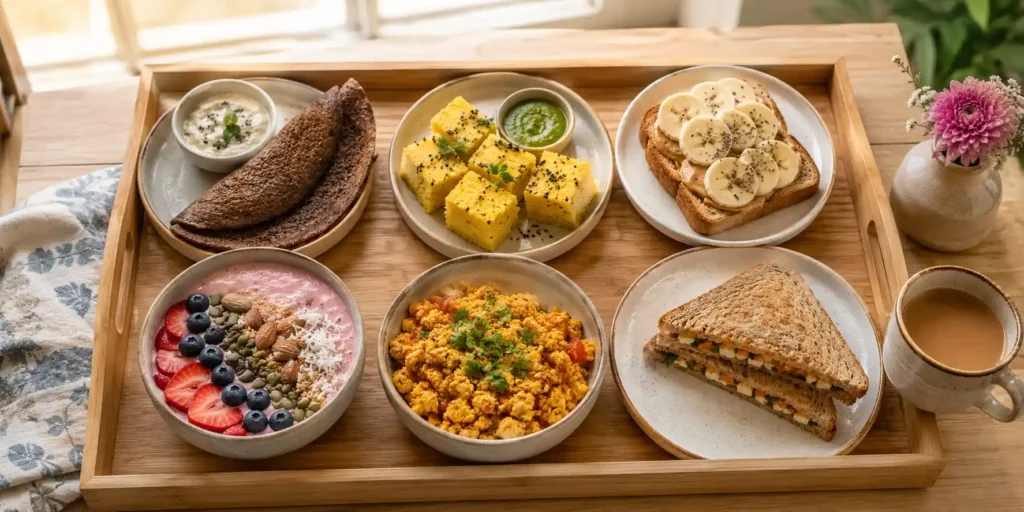
Breakfast: Moong dal cheela (20g protein) with mint chutney. Or a bowl of dahi with roasted chana and chopped fruits.
-
Lunch: 1 cup thick dal (15g) + 1 roti (3g) + 1 small bowl of paneer sabzi (10g) + ½ cup curd (5g). Total ~33g protein.
-
Evening snack: A handful of sprouts (5g) or sattu sharbat (8g).
-
Dinner: Tofu tikka masala with quinoa (25g protein) or khichdi made with moong dal and millet (18g).
Best occasions: Every day. But especially for growing children, pregnant women, elderly people, and anyone who works out. Also perfect for Navratri fasting – use singhara atta, samak rice, and dairy or peanuts.
For a complete protein-packed meal plan, check out my Vegan Mushroom Curry on Luckky Corner. Also, if you love soya chunks, my Tofu Tikka Masala is a crowd-pleaser.
FAQs
Are Indian vegetarian protein sources enough for muscle building?
Yes, absolutely. Many vegetarian bodybuilders in India use dal, paneer, soya chunks, and sattu. The key is eating enough volume and combining sources (e.g., rice+dal). Aim for 1.5g protein per kg of body weight. A 70kg person needs about 105g protein – achievable with 200g paneer (36g) + 100g soya chunks (52g) + 1 cup dal (15g) + dahi (5g) = 108g.
Which dal has the highest protein?
Moong dal (split green gram) has about 24g per 100g uncooked. Urad dal (black gram) has 25g, but it is heavier to digest. Masoor dal (red lentil) has 25g as well. For daily use, moong dal is best – light, quick to cook, and least gas-inducing.
Is sattu better than protein powder?
For most Indians, yes. Sattu is natural, unprocessed, and costs ₹50/kg. It has complex carbs and fibre along with protein, so it gives sustained energy. Whey protein is faster absorbing but expensive and sometimes causes bloating for lactose-intolerant people. I use sattu after my morning walk.
Can I get enough protein from just roti and dal?
A typical roti-dal meal (2 rotis + 1 cup dal) gives about 18-20g protein. An adult needs 50-70g daily. So you need more sources – add curd, paneer, or sprouts to the same meal. Or eat dal in all three meals. Roti-dal alone is not sufficient.
Why do I feel bloated after eating high protein vegetarian food?
Your body is not used to the fibre and certain oligosaccharides in beans. Start slowly – eat smaller portions of dal and sprouts. Soak legumes overnight and discard the water. Add asafoetida (hing) and ginger while cooking. Over 2-3 weeks, your gut bacteria adapt, and bloating reduces.
What is the cheapest Indian vegetarian protein source?
Soya chunks (₹30-40 per 100g providing 52g protein) and sattu (₹50 per kg providing 220g protein total) are the cheapest. Next is moong dal (₹80-100 per kg). Paneer is more expensive but still cheaper than eggs in many Indian cities now.
Conclusion
You see, indian vegetarian protein sources are everywhere. In your mother’s dal, in your evening chana, in that glass of chaas. We just need to stop ignoring them and start celebrating them. I have been eating this way for two years now – no protein powders, no meat, no supplements. My energy is better, my hair is thicker, and my blood reports are perfect.
Try adding one new protein source every week. This week, make sattu sharbat. Next week, try soy chunk curry. Tell your family you are not “forcing” them – you are feeding them strength.
Make the change. Then come back here and leave a comment. Tell me which protein source surprised you the most. Or if you have a secret family recipe with high protein, share it. We learn from each other.