
Authentic south indian sambar recipe – you know, when I first tried to make sambar at home, my Tamil neighbour sniffed the air from her balcony and shouted, “Yenna da, rasam kudikai?” (What is this, rasam?). I had used turmeric and black pepper and called it sambar. Big mistake. Huge. Real sambar is not just dal with tamarind. It is a symphony of roasted spices, slow-cooked vegetables, and that unique aroma of fresh curry leaves and asafoetida. It is the king of South Indian comfort food.
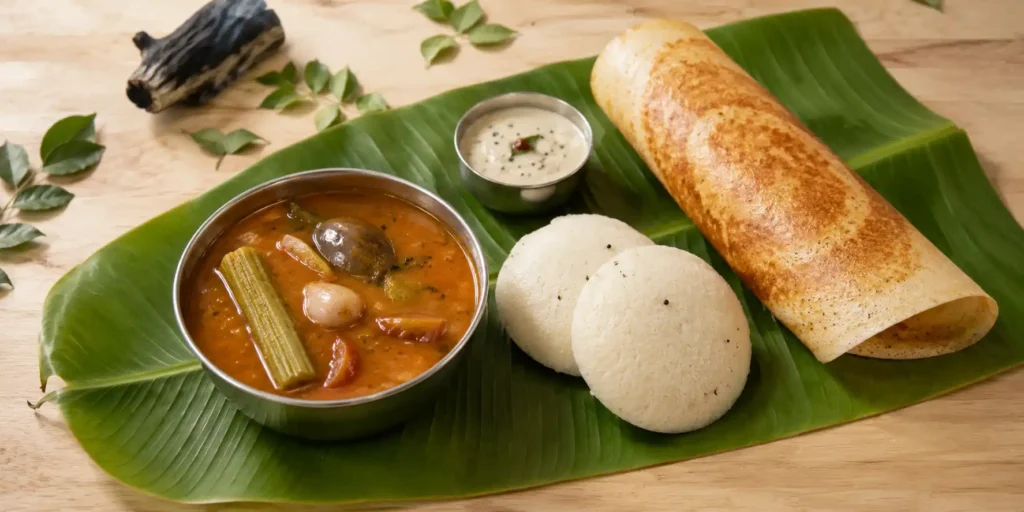
I remember eating sambar in a small restaurant in Madurai. The sambar was thick, dark brown, with chunks of drumstick and small brinjal floating like treasure. The smell hit me – roasted coriander, red chillies, a hint of coconut, and that deep, tangy tamarind. I dipped a piece of crispy dosa into it. The sambar clung to the dosa. I took a bite. Then another. I asked for a second bowl. The server smiled and said, “Idhu authentic south Indian sambar, sir.” I never forgot that taste.
Authentic South Indian Sambar Recipe
For years, I tried to recreate it at home. I bought bottled sambar powder. It was okay, but something was missing. Then a friend’s grandmother – a 80-year-old from Tirunelveli – showed me the real way. Roast your own spices. Cook dal until it melts. Add vegetables like drumstick and shallots. And the tempering? Must be with ghee, mustard seeds, and fresh curry leaves. That is the secret.
So here it is. My authentic south indian sambar recipe. No shortcuts. No garam masala. Just pure, soulful, temple-style sambar that will make your neighbours ask for your address.
A small tangent: I once made this sambar for a group of North Indian friends. They ate three bowls with rice. Then they asked, “Is this the same as dal tadka?” I almost cried. It is not. But they loved it anyway.
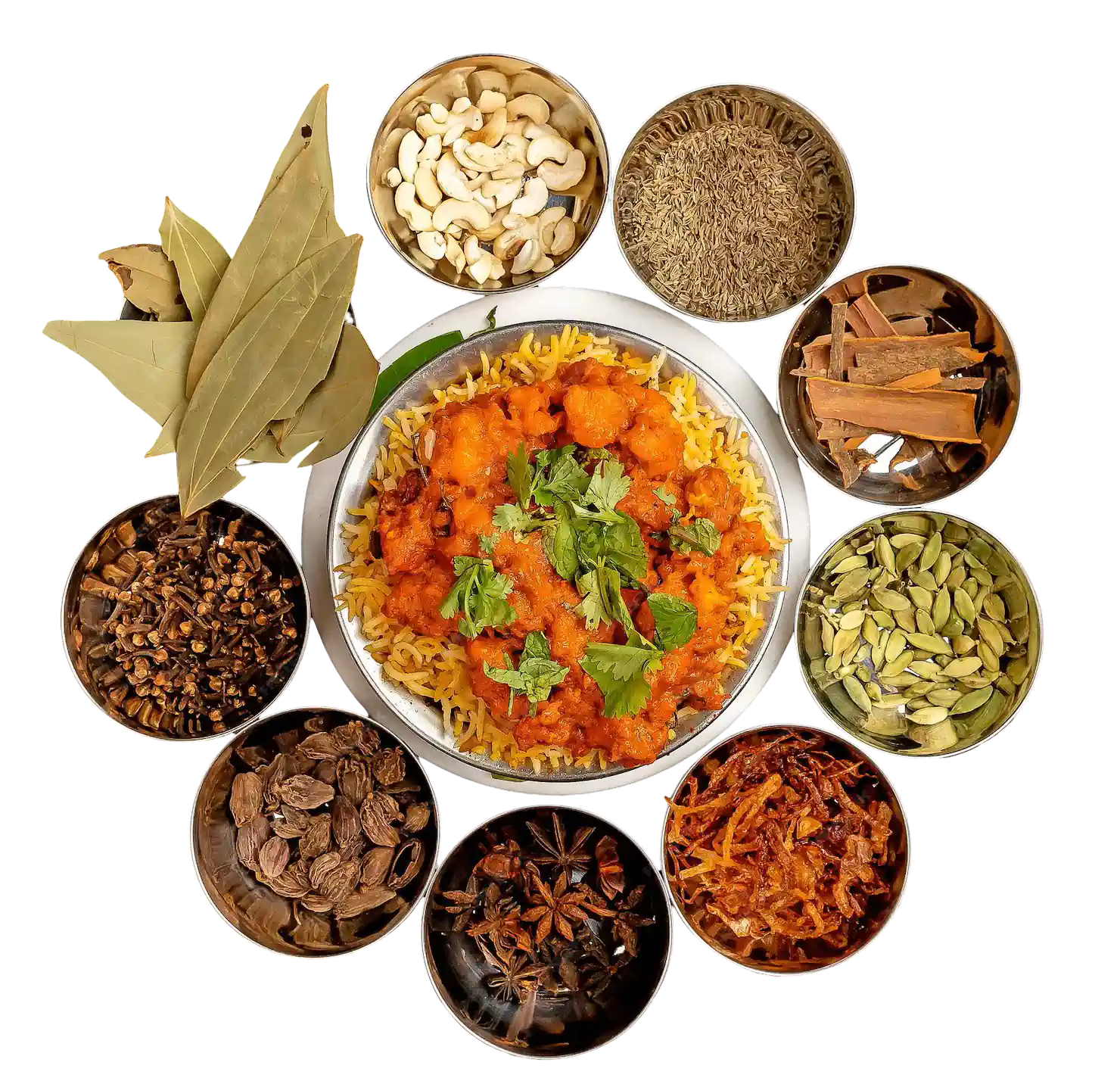
Step-by-Step Recipe Method
1st Step: Roast and Make Sambar Powder (The Most Important Step)
Heat a small dry pan (no oil) on low flame. Add coriander seeds, chana dal, toor dal (if using), black peppercorns, cumin seeds, fenugreek seeds, and dried red chillies. Roast on low flame, stirring constantly, for 3 to 4 minutes until the dals turn golden and you smell a nutty, spicy aroma. Do not burn. Turn off the flame. Let the spices cool completely. Transfer to a spice grinder. Add turmeric powder. Grind into a fine powder. Store in an airtight jar. This makes about ¼ cup of sambar powder. You will need 2 tablespoons for this recipe.
A mistake I made: I roasted the spices on high flame. They burned. The sambar tasted bitter. Low flame. Patience.
2nd Step: Pressure Cook the Dal
Wash the toor dal. Soak in fresh water for 15 minutes. Drain. Transfer to a pressure cooker. Add 2 cups of water and ¼ teaspoon turmeric powder. Pressure cook on medium flame for 3 to 4 whistles (about 8 minutes). Let the pressure release naturally. Open the lid. Whisk the dal until smooth and creamy. If it is too thick, add ½ cup hot water. Set aside.
3rd Step: Prepare the Tamarind Extract
Soak the tamarind ball in ½ cup warm water for 10 minutes. Squeeze the pulp with your fingers. Strain to remove seeds and fibres. You should get about ½ cup of thick tamarind extract. If using tamarind paste, mix 2 tablespoons paste with ¼ cup water.
4th Step: Cook the Vegetables
In a large pot or a deep pan, add 2 cups of water. Add the chopped vegetables – drumstick, shallots, carrot, brinjal, and potato. Bring to a boil. Reduce flame, cover, and cook for 8 to 10 minutes until the vegetables are almost tender (but not mushy). Drumstick takes a little longer – pierce with a fork to check.
5th Step: Make the Sambar Masala Base
In a separate small pan, heat 2 tablespoons oil. Add mustard seeds. Let them crackle. Add cumin seeds, a pinch of hing, dried red chillies, and fresh curry leaves. Sauté for 10 seconds. Pour this tempering into the vegetable pot. Add the cooked dal. Stir well.
6th Step: Add Tamarind and Sambar Powder
Add the tamarind extract to the pot. Add 2 tablespoons of the freshly ground sambar powder. Add salt to taste. Stir everything together. Let the sambar simmer on low flame for 10 to 12 minutes. Do not boil vigorously – tamarind can become bitter on high heat. The sambar will thicken and darken. The aroma will fill your kitchen – like a South Indian temple on a festival day.
Taste. Adjust salt, tanginess, or spice. Add more sambar powder if you want more heat. Add more tamarind if you want more sour.
7th Step: The Final Tempering (Extra Love)
In a small tadka pan, heat 1 tablespoon ghee. Add mustard seeds, dried red chillies, curry leaves, and a pinch of hing. Let them crackle. Pour this tempering directly over the simmering sambar. Stir gently. Turn off the flame.
8th Step: Garnish and Serve
Sprinkle fresh coriander leaves on top. Let the sambar rest for 5 minutes before serving – the flavours settle beautifully. Serve hot with idli, dosa, vada, or steamed rice.
Pro Cooking Tips
-
Mistake to avoid: Adding tamarind while the dal is still boiling hard. The acid can curdle the dal and make the sambar taste bitter. Always simmer on low flame after adding tamarind.
-
Vegetable order: Hard vegetables like drumstick and potato go first. Soft ones like brinjal and pumpkin go later. Cook until tender but not falling apart.
-
Sambar powder freshness: Homemade sambar powder stays fresh for 2 months in an airtight jar. The roasted spices lose potency over time, so make small batches.
-
Drumstick tip: Do not overcook drumstick. The flesh should be soft enough to suck out the pulp, but the outer skin should hold its shape.
-
Leftover sambar: Sambar tastes even better the next day. The flavours meld. Store in the fridge for 3 days. Reheat gently with a splash of water.
-
Consistency: Authentic sambar is not too thin (like rasam) and not too thick (like dal makhani). It should coat the back of a spoon but still flow.
Variations & Substitutes
Healthy version: Use minimal oil (1 tablespoon). Skip the final ghee tempering. Add extra vegetables like bottle gourd, pumpkin, and spinach. Use brown rice or millet idli.
Jain version: No onion, no garlic. Skip shallots. Use hing. No drumstick (some Jains avoid root vegetables and drumstick). Use carrots, pumpkin, raw banana. Use rock salt.
Without onion-garlic: No shallots. Add extra hing and a teaspoon of grated fresh ginger while cooking vegetables.
Vegan version: Use coconut oil instead of ghee. The rest is already vegan. Ensure no dairy in the final garnish.
Restaurant style (slightly sweet): Add 1 teaspoon of jaggery (gud) along with the tamarind. This balances the sourness and gives that popular hotel taste.
Serving Suggestions
Serve this authentic south indian sambar recipe with:
-
Idli – soft, fluffy rice cakes dipped in sambar
-
Dosa – crispy fermented crepe, sambar in a small bowl on the side
-
Vada – lentil doughnuts, dunked in sambar
-
Steamed rice with a drizzle of ghee and a side of coconut chutney or podicha chutney (dry chutney powder)
Best time to enjoy? Breakfast with idli and vada. Lunch with rice and a fried vegetable curry (poriyal). Or a lazy Sunday dinner with masala dosa. Also perfect for when you want to feel like you are in Tamil Nadu without buying a plane ticket.
For another South Indian classic, check out my Foxtail Millet Khichdi recipe on Luckky Corner – it is healthy and comforting. And if you love spicy lentil dishes, try my Dhaba Style Dal Fry Recipe – the North Indian cousin of sambar.
FAQs
What is the difference between sambar and rasam?
Sambar is a thick lentil-based stew with vegetables, tamarind, and sambar powder (which contains coriander, chana dal, etc.). Rasam is a thin, watery soup made with tomato, tamarind, black pepper, and cumin – no dal (or very little), and no vegetables. Sambar is eaten with rice, idli, dosa. Rasam is usually drunk as a soup or mixed with rice.
Can I use store-bought sambar powder?
Yes, but the taste will not be as fresh or aromatic. Look for brands like MTR, Aachi, or 24 Mantra. Use 2 to 3 tablespoons instead of the homemade powder. But honestly, making your own powder takes 10 minutes and changes everything.
Why is my sambar bitter?
Either you burned the spices while roasting, or you added too much fenugreek (methi) – it is very bitter even in small quantities. Also, boiling tamarind on high heat can cause bitterness. Keep the flame low.
What vegetables go into authentic sambar?
Traditional vegetables: drumstick (sahjan), shallots (sambar onions), brinjal (small variety), pumpkin, carrot, radish, and sometimes potato. Do not add cabbage, cauliflower, or capsicum – they are not used in authentic sambar.
Can I freeze sambar?
Yes. Freeze the sambar (without the final ghee tempering) in an airtight container for up to 2 months. Thaw in the fridge overnight. Reheat gently, add a splash of water, and finish with a fresh tadka of ghee and curry leaves.
Is sambar healthy?
Very healthy. Toor dal is rich in protein and fibre. Vegetables add vitamins. Tamarind aids digestion. Spices like turmeric and coriander have anti-inflammatory properties. Just go easy on the oil and ghee.
Conclusion
This authentic south indian sambar recipe is the result of many failed attempts, burnt spices, and one very patient Tamil neighbour. But now, when I make it, my kitchen smells like a Madurai café. The dal is creamy. The vegetables are tender. The tamarind gives that perfect tang. And the homemade sambar powder? It is the real deal.
Make it this weekend. Roast your own spices. Chop a drumstick. Do not skip the curry leaves. Then take a bite with a crispy dosa. Close your eyes. You will hear the temple bells. Then come back here and tell me – did you add the brinjal? Did you burn the fenugreek like I did once? Did your family ask for the recipe? I am waiting. Sambar is love. Sambar is South India.