
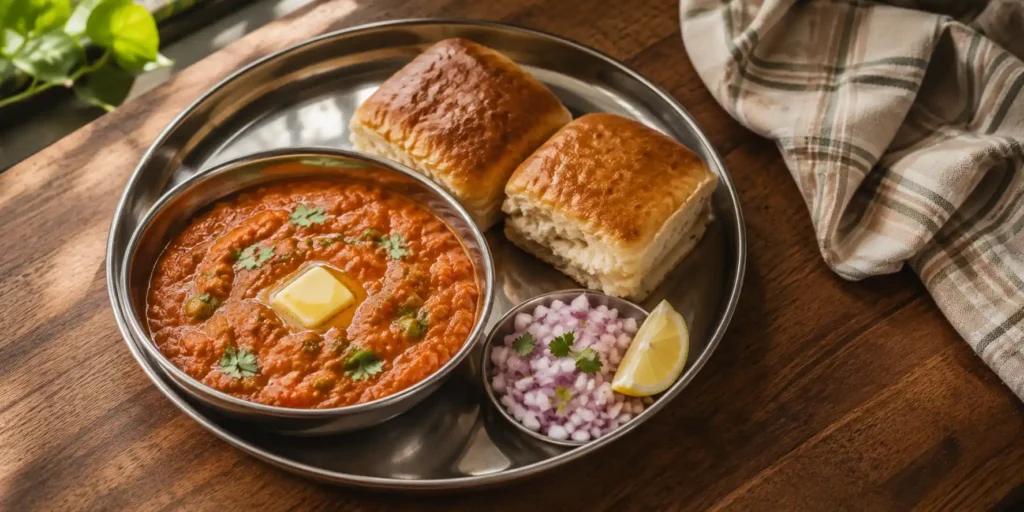
Homemade pav bhaji recipe – yaar, you know that feeling when you are walking down a Mumbai street, and the smell of butter, pav, and that spicy, tangy bhaji hits you from a hundred meters away? Your mouth starts watering. Your feet automatically move towards the cart. You stand there, watching the bhaji being mashed and stirred on a giant tawa, and then the vendor hands you a plate with two soft, butter-toasted pav and a bowl of that glorious, red-orange bhaji. You take that first bite. The butter drips down your chin. You close your eyes. You are in heaven.
I spent years trying to recreate that magic at home. My first attempt? The bhaji was watery. The pav was dry. My second attempt? Too much chilli. I cried. My family cried. But I didn’t give up. I called my Marathi friend’s mother. She gave me three rules: use fresh pav bhaji masala, add enough butter, and mash the vegetables properly. I followed those rules. And finally, I cracked it.
Homemade Pav Bhaji Recipe
So here it is. My homemade pav bhaji recipe. Buttery, spicy, tangy, and so close to the street-style version that you will forget you are eating at home. No giant tawa required. Just a pressure cooker, a pan, and a whole lot of love.
A small tangent: My Mumbai friend once said, “Pav bhaji without butter is like life without chai.” I agreed. So be generous with the butter. Always.
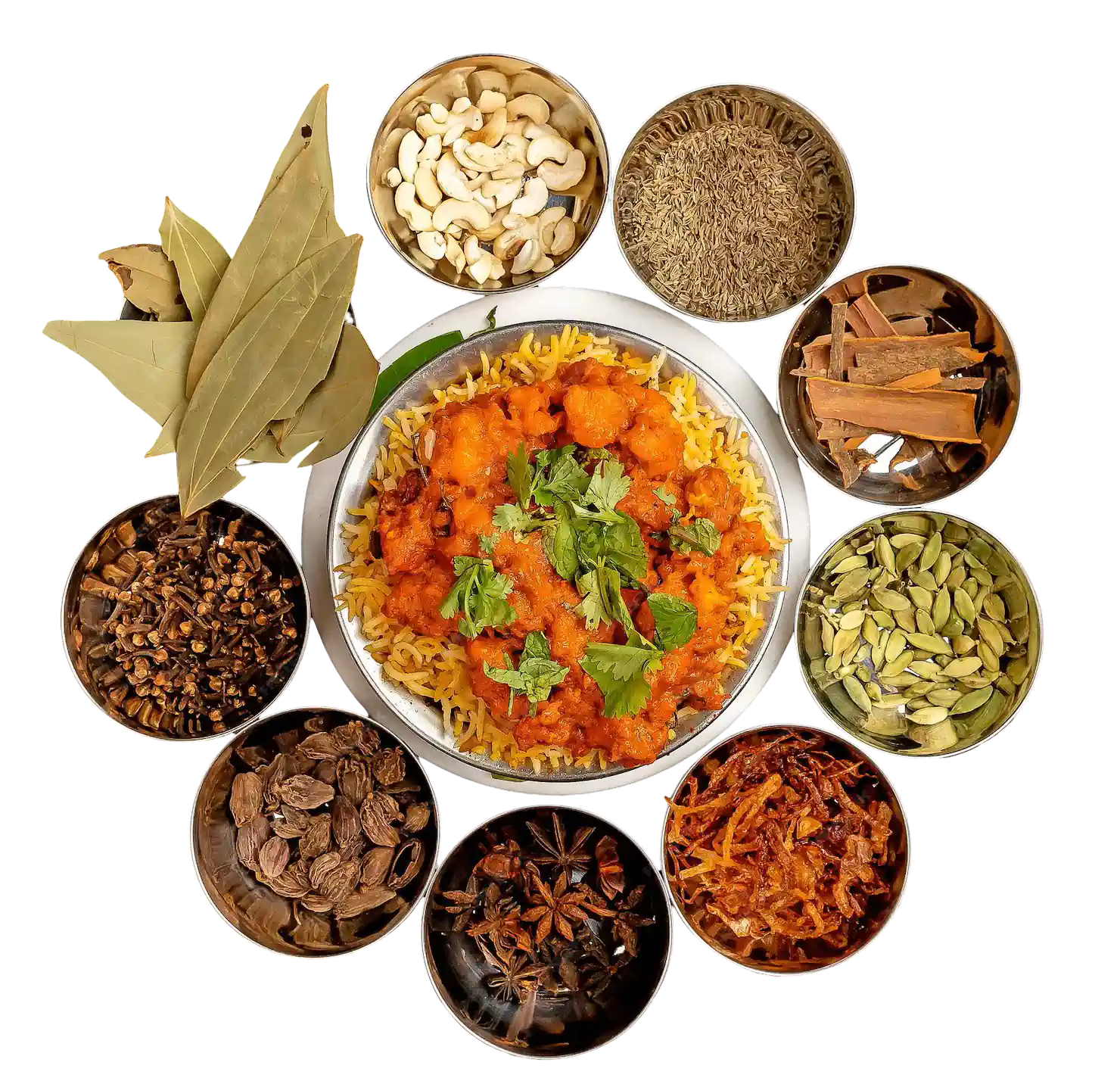

Step-by-Step Recipe Method
1st Step: Pressure Cook the Vegetables
Wash and chop the potatoes, cauliflower, and capsicum. In a pressure cooker, add the chopped vegetables, green peas, and 1 cup of water. Pressure cook for 3 to 4 whistles, or until the vegetables are soft and fully cooked. Let the pressure release naturally. The vegetables should be soft enough to mash easily.
A mistake I made: I added too much water. The bhaji became watery. Use just enough water to cook the vegetables – about 1 cup.
2nd Step: Mash the Vegetables
Open the pressure cooker. Drain any excess water but save it (you can add it back if needed). Mash the cooked vegetables with a potato masher or the back of a ladle. The bhaji should be thick and semi-smooth – not completely puréed, but not chunky either. Some texture is good.
3rd Step: Make the Tempering (Tadka)
Place a deep pan or kadhai on medium flame. Add 2 tablespoons of butter. Let it melt. Add cumin seeds. Let them crackle. Add asafoetida and curry leaves. Sauté for 10 seconds. The smell will be warm and aromatic.
4th Step: Cook the Onion-Tomato Masala
Add the chopped onion to the pan. Sauté until golden brown – about 2 to 3 minutes. Add ginger-garlic paste and green chillies. Cook for 1 minute until the raw smell disappears. Add the chopped tomatoes. Cook until they become soft and mushy – about 2 to 3 minutes. The butter will start separating from the masala.
5th Step: Add Spices and the Mashed Vegetables
Add pav bhaji masala, red chilli powder, turmeric powder, and salt. Stir for 30 seconds. Add the mashed vegetables to the pan. Stir well. Add ½ cup of water (or the reserved cooking water) to adjust the consistency. The bhaji should be thick but not dry.
6th Step: Simmer and Mash (The Street-Style Touch)
Let the bhaji simmer on low flame for 5 to 7 minutes. Mash it further with the back of a ladle while it simmers – this is what gives street-style pav bhaji its signature texture. Add 1 tablespoon of butter and lemon juice. Stir well. The bhaji will become glossy and rich. Add more water if it looks too thick.
7th Step: Toast the Pav (The Butter Bomb)
While the bhaji is simmering, toast the pav. Slice each pav in half horizontally. Heat a separate pan or tawa on medium flame. Add 3 tablespoons of butter. Place the pav halves, cut side down, on the pan. Toast until golden and crispy – about 1 to 2 minutes. Flip and toast the other side lightly. The pav should be soft on the inside and crisp on the outside.
8th Step: Serve Like a Street Vendor
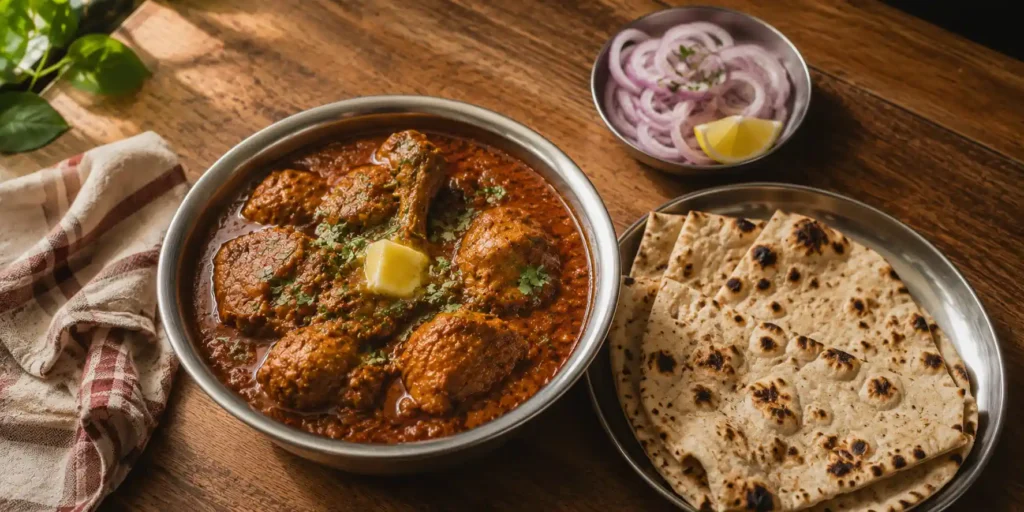
Transfer the bhaji to a serving bowl. Sprinkle with fresh coriander leaves, a sprinkle of pav bhaji masala, and a dollop of butter (because why not?). Place the toasted pav on a plate with chopped onions, lemon wedges, and extra butter. Serve immediately. Eat by tearing a piece of pav, scooping up the bhaji, and taking that perfect bite.
Pro Cooking Tips
-
Mistake to avoid: Adding too much water. The bhaji should be thick – like a spread, not a soup. Start with ½ cup and add more if needed.
-
Butter is not optional: In pav bhaji, butter is everything. Use it generously. If you are worried about health, use less – but know that authentic street-style bhaji needs butter.
-
Mashing technique: Mash the vegetables while they are still hot. Cold vegetables are harder to mash. Also, mash with the back of a ladle while simmering for that signature texture.
-
Pav bhaji masala: Use a good quality masala – Everest or MDH are reliable. You can also make your own blend with coriander, cumin, fennel, cloves, and cinnamon.
-
Make ahead: The bhaji can be made a day in advance and stored in the fridge. Reheat with a splash of water and fresh butter. Toast the pav fresh.
-
Leftover bhaji: Use it as a spread on toast, or mix with pasta for a desi twist. It is also great as a filling for grilled sandwiches.
Variations & Substitutes
Healthy version: Use less butter (1 tablespoon total). Add more vegetables like zucchini and spinach. Use whole wheat pav or whole grain bread. Skip the butter toast.
Jain version: No onion, no garlic. Skip them. Add hing (asafoetida) in the tempering. No cauliflower (some Jains avoid). Use extra capsicum and potato. Use rock salt.
Without onion-garlic: Skip onion and garlic. Add hing and extra ginger (if allowed). The bhaji will be milder but still delicious.
Vegan version: Use vegan butter. Ensure the pav is vegan (most are). The rest is naturally plant-based.
Cheese pav bhaji: Add a handful of grated cheese to the bhaji while simmering. It melts and becomes gooey. Also top the pav with cheese before toasting.
Serving Suggestions
Serve this homemade pav bhaji recipe with:
-
Chopped onions – adds crunch and freshness
-
Lemon wedges – a squeeze of lemon brightens the flavours
-
Green chutney – for extra kick
-
A glass of chaas (buttermilk) – cools down the spice
-
Pickle – for a tangy side
Best time to enjoy? Weekend brunch, rainy evenings, or any time you want to feel like you are at a Mumbai street corner. Also perfect for parties – pav bhaji is always a crowd-pleaser.
For another street food classic, check out my Punjabi Chole Bhature Recipe on Luckky Corner – it is indulgent and delicious. And if you want a quick bread recipe, try my Homemade Lachha Paratha Recipe – flaky and buttery.
FAQs
What is pav bhaji?
Pav bhaji is a popular Indian street food from Mumbai. It consists of a thick, spicy vegetable mash (bhaji) served with soft butter-toasted bread rolls (pav). The bhaji is made with potatoes, cauliflower, peas, capsicum, and a special blend of spices.
Why is my pav bhaji watery?
You added too much water while cooking the vegetables or while making the bhaji. Use just enough water to cook the vegetables, and drain excess water before mashing. Simmer the bhaji on low flame until it thickens.
Can I make pav bhaji without pav bhaji masala?
You can, but it will not taste authentic. Pav bhaji masala is a specific spice blend that gives the dish its signature flavour. If you do not have it, make your own with coriander, cumin, fennel, cloves, and cinnamon.
How do I get that street-style colour?
The street vendors use a combination of Kashmiri red chilli powder (for colour) and a lot of butter. You can also add a pinch of food colour (optional) but I avoid it. The masala and tomatoes give a natural red-orange colour.
Can I freeze pav bhaji?
Yes, the bhaji freezes well for up to 2 months. Cool completely, store in an airtight container, and freeze. Thaw in the fridge overnight. Reheat in a pan with a little water and fresh butter. Toast the pav fresh.
Is pav bhaji healthy?
It is not a low-calorie dish because of the butter and pav. But it is packed with vegetables and can be made healthier by reducing butter and using whole wheat pav. Enjoy it as an occasional treat.
Conclusion
This homemade pav bhaji recipe is my way of bringing Mumbai to my kitchen. The buttery bhaji, the soft toasted pav, the tangy onions and lemon – it all comes together like a street food symphony. My family now demands this every weekend. My Mumbai friend says it is “almost as good as the real thing.” I will take that as a win.
Make it this weekend. Use enough butter. Mash the vegetables well. Toast the pav until golden. Then take a bite and close your eyes. You will hear the street vendors calling. Then come back here and tell me – did you add extra butter? Did you use the pressure cooker? Did you eat three pav like I do? I want to hear all your pav bhaji stories. And remember – pav bhaji is not food. It is an emotion.