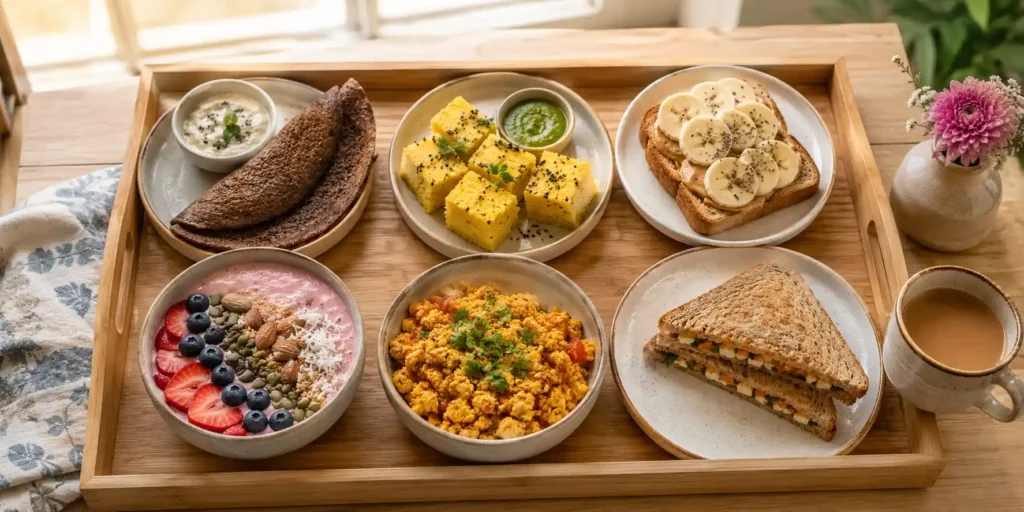

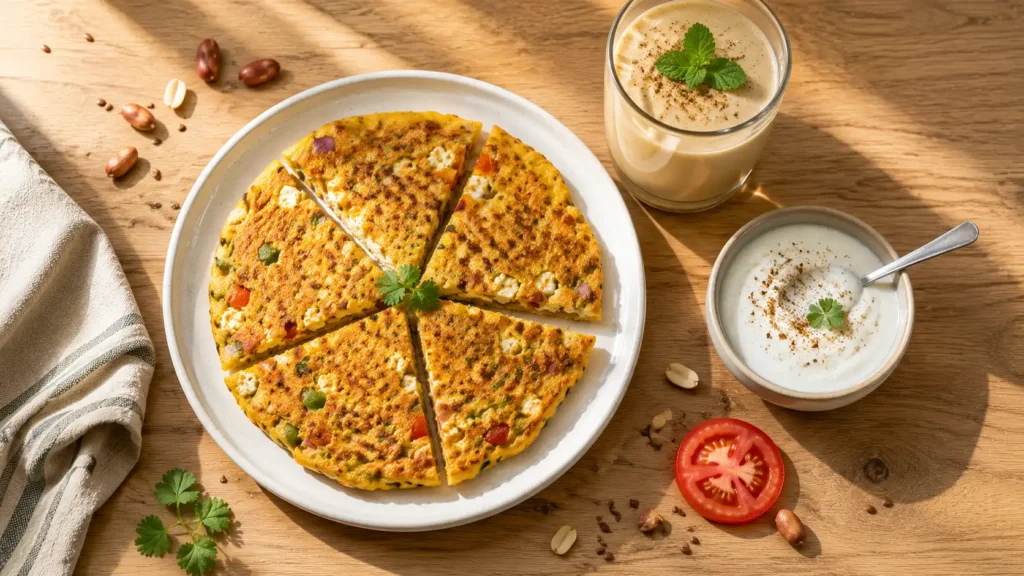
Best high protein breakfast Indian dishes – I used to think that meant adding an extra spoon of ghee to my paratha. Turns out, I was wrong. Very wrong. My nutritionist (a very kind but very strict lady) looked at my breakfast diary and said, “You eat sugar and carbs. Where is protein?” I had no answer. So she gave me a list. And let me tell you, the first time I made a moonglet (besan chilla) with lots of vegetables, the smell of roasted gram flour and cumin filled my kitchen. It was golden, crisp, and when I bit into it, I felt full for hours. No 11 AM crash. No searching for hidden biscuits.
Protein in the morning changes everything. It keeps your energy steady, your stomach quiet, and your brain awake. And the best part? You do not need expensive protein powders or fancy ingredients. Your Indian kitchen already has everything – moong dal, paneer, curd, eggs (if you eat them), and seeds.
Best High Protein Breakfast Indian Dishes
I asked three nutritionists for their top recommendations. Then I tested them. A lot. Burnt a few chillas. Made watery sattu drinks. But finally, I have a list that works. And I am sharing my favourite recipe – a High Protein Moonglet – with full step-by-step instructions.
A small tangent: One morning, I forgot to add salt to my moonglet batter. It tasted like cardboard. My wife said, “Are you on a punishment diet?” So do not forget the salt. Or the coriander.
Ingredients (For High Protein Moonglet – Besan Chilla)
For the Batter
-
1 cup besan (gram flour / chickpea flour)
-
¼ cup sooji (semolina – adds crispiness)
-
2 tablespoons curd (dahi – adds protein and makes chilla soft)
-
Water as needed (about ¾ cup)
-
Salt to taste
For the Protein Boost
-
2 tablespoons finely chopped paneer (or grated)
-
1 tablespoon crushed peanuts (roasted)
-
1 tablespoon flaxseed powder (optional – for omega-3)
For the Vegetables and Spices
-
1 small onion – finely chopped
-
1 small tomato – finely chopped
-
1 green chilli – finely chopped
-
1 teaspoon ginger – grated
-
2 tablespoons fresh coriander – chopped
-
½ teaspoon turmeric powder (haldi)
-
½ teaspoon red chilli powder
-
1 teaspoon cumin seeds (jeera)
-
½ teaspoon garam masala (optional)
For Cooking
-
Ghee or oil for greasing the tawa
For Serving
-
Fresh curd (dahi) – for dipping
-
Green chutney or ketchup
Alternatives
-
No paneer? Use crumbled tofu or cooked soya granules.
-
No curd? Use 2 tablespoons thick coconut curd (for vegan) or skip – add extra water.
-
No besan? Use moong dal flour (yellow lentil flour) – even higher protein.
-
Want egg version? Add 1 beaten egg to the batter (not vegan).

Step-by-Step Recipe Method (High Protein Moonglet)
1st Step: Prepare the Batter
In a large bowl, add besan, sooji, curd, and salt. Mix well. Slowly add water while whisking to avoid lumps. The batter should be slightly thicker than dosa batter – like a smooth, pourable paste. Cover and let it rest for 10 minutes. This allows the sooji to absorb water.
A mistake I made: I added all the water at once. Lumps. Always add gradually.
2nd Step: Add the Protein Boost and Vegetables
After resting, add chopped paneer, crushed peanuts, flaxseed powder, onion, tomato, green chilli, ginger, coriander, turmeric, red chilli powder, cumin seeds, and garam masala. Mix everything well. The batter will look thick and chunky – that is good. The protein will be inside every bite.
3rd Step: Heat the Tawa (Griddle)
Place a non-stick tawa or flat pan on medium flame. When hot, grease it with a few drops of ghee or oil. Do not use too much – you want a crispy chilla, not a fried puri.
4th Step: Pour and Spread the Batter
Take a ladle full of batter. Pour it onto the centre of the tawa. Using the back of the ladle, spread it in a circular motion to make a thin, even chilla. Do not make it too thick – it will remain raw inside. Do not make it too thin – it will break.
5th Step: Drizzle Oil and Cook
Drizzle a few drops of ghee or oil around the edges and on top. Let the chilla cook for 2 minutes on medium flame. You will see the edges turning golden brown and pulling away from the pan. The top will look dry and have small bubbles.
6th Step: Flip and Cook the Other Side
Slide a spatula carefully under the chilla. Flip it confidently (or use two spatulas if you are scared like me). Cook the other side for 1 to 2 minutes until golden spots appear. Press gently with the spatula to ensure even cooking.
7th Step: Remove and Repeat
Slide the cooked moonglet onto a plate. Repeat with the remaining batter. You will get 3 to 4 chillas from this quantity.
8th Step: Serve Hot
Serve the moonglet hot with a bowl of fresh curd (dahi) and green chutney. The curd adds even more protein. Eat immediately – it gets soft when cold.
Pro Cooking Tips
-
Mistake to avoid: Overcrowding or making the chilla too thick. Thin chillas are crispier and cook faster.
-
Crispiness hack: Add 1 tablespoon of rice flour to the batter. It makes the edges extra crispy.
-
Protein secret: Add a spoonful of roasted chana sattu to the batter. It boosts protein without changing taste.
-
Make ahead: You can prep the batter the night before and keep it in the fridge. Add baking soda (a pinch) just before cooking.
-
Vegetable variation: Grated zucchini or cabbage also works well and adds fibre.
-
Leftover chillas: Store in the fridge for 1 day. Reheat on a tawa – never microwave.
Other Nutritionist-Recommended High Protein Breakfasts (Quick List)
Here are 5 more desi breakfasts that protein experts love:
-
Paneer Bhurji with Multigrain Roti – 100g paneer gives 18g protein. Sauté with capsicum, onions, and spices.
-
Moong Dal Chilla – Made from soaked and ground yellow moong dal (higher protein than besan).
-
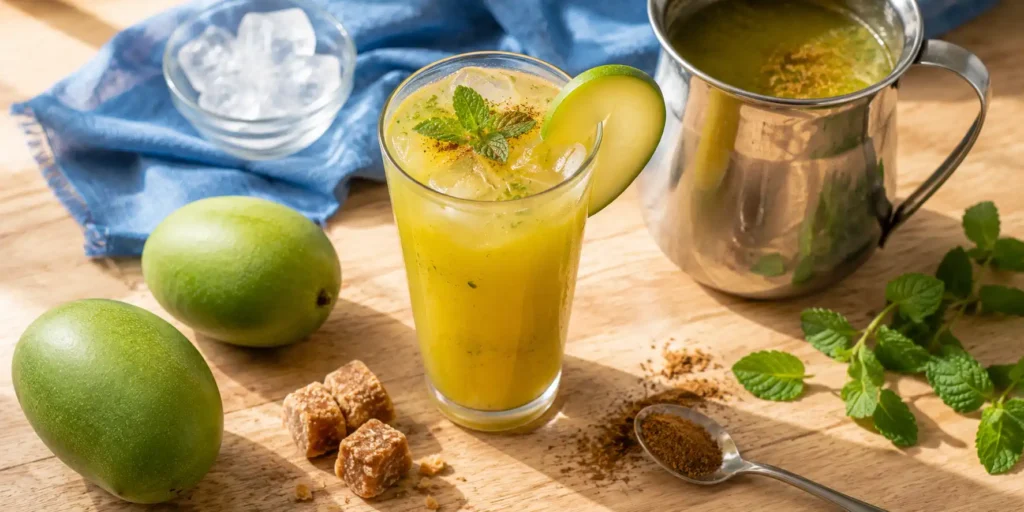
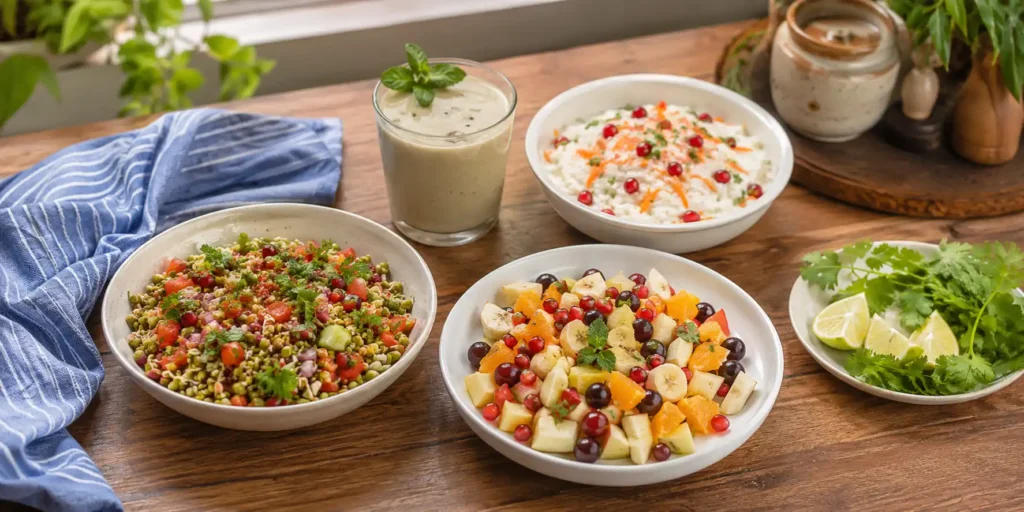
Sattu Sharbat – 2 tablespoons of sattu in a glass of water with lemon and black salt. 10g protein in 2 minutes.
-
Sprouts Poha – Replace half the poha with boiled moong sprouts. Add peanuts and a squeeze of lime.
-
Greek Yogurt Bowl – Mix hung curd (homemade Greek yogurt) with berries, seeds, and a drizzle of honey.
Variations & Substitutes for Moonglet
Healthy version (oil-free): Use a non-stick pan and skip oil. Add 1 teaspoon baking powder for fluffiness.
Jain version: No onion, no garlic – skip onion and green chilli. Use hing (asafoetida) in the batter. No potato (none here). Safe.
Without onion-garlic: Skip onion and chilli. Add extra ginger and coriander.
Vegan version: Skip curd (use 2 tablespoons mashed tofu or coconut curd). Use oil instead of ghee. No paneer – use crumbled tofu.
Extra protein version (for gym-goers): Add 2 tablespoons of whey protein powder (unflavoured) or soya chunks powder to the batter.
Serving Suggestions
Serve this high protein moonglet for breakfast or as a post-workout snack. Pair with a bowl of fresh curd (adds probiotics and protein) and a cucumber-tomato salad. For a complete meal, add a glass of sattu sharbat on the side.
Best time to enjoy? Morning, between 7 AM and 9 AM. Also perfect for a quick lunch or a healthy tiffin box item.
If you are exploring more high-protein vegetarian meals, check out my Tofu Tikka Masala on Luckky Corner – it is creamy, smoky, and packed with plant protein. And for a refreshing high-protein drink, try my Aam Ka Pana – it is a summer lifesaver.
FAQs
What is the best high protein breakfast Indian style?
Nutritionists often recommend moonglet (besan chilla with paneer), paneer bhurji, sprouted moong chilla, or sattu sharbat. These are high in protein, vegetarian, and easy to digest.
How much protein should a vegetarian Indian breakfast have?
Ideally 15 to 20 grams of protein. For example, a besan chilla with paneer and curd can give you about 18g. A bowl of sprouts poha with peanuts gives about 12g.
Can I eat these high protein breakfasts for weight loss?
Yes. Protein increases satiety and reduces cravings. Pair with fibre-rich vegetables and avoid excess oil. Skip the ghee and use minimal oil.
Is besan (gram flour) good for protein?
Yes, besan has about 22g protein per 100g. It is also rich in fibre and iron. Combine it with curd or paneer for a complete amino acid profile.
What if I am allergic to chickpeas (besan)?
Use moong dal flour (yellow lentil flour) instead. It has even higher protein (24g per 100g) and is easier to digest. Follow the same recipe.
Can I meal prep these high protein breakfasts?
Yes. You can make moonglet batter and keep it in the fridge for 2 days. Cook fresh each morning. Paneer bhurji can be made and refrigerated for 2 days. Sattu sharbat is best made fresh.
Conclusion
These best high protein breakfast Indian dishes changed the way I start my day. No more 11 AM slumps. No more reaching for chips before lunch. The moonglet is crispy, savoury, and so satisfying – especially with that tangy curd on the side. And the best part? Every single ingredient is already in your kitchen.
Try the moonglet tomorrow morning. Take a picture. Send it to me. Then come back here and tell me – did you add extra paneer? Did you burn the first one like I did? Did your family finally stop complaining about “healthy food”? I need to know. Happy healthy breakfasting.