
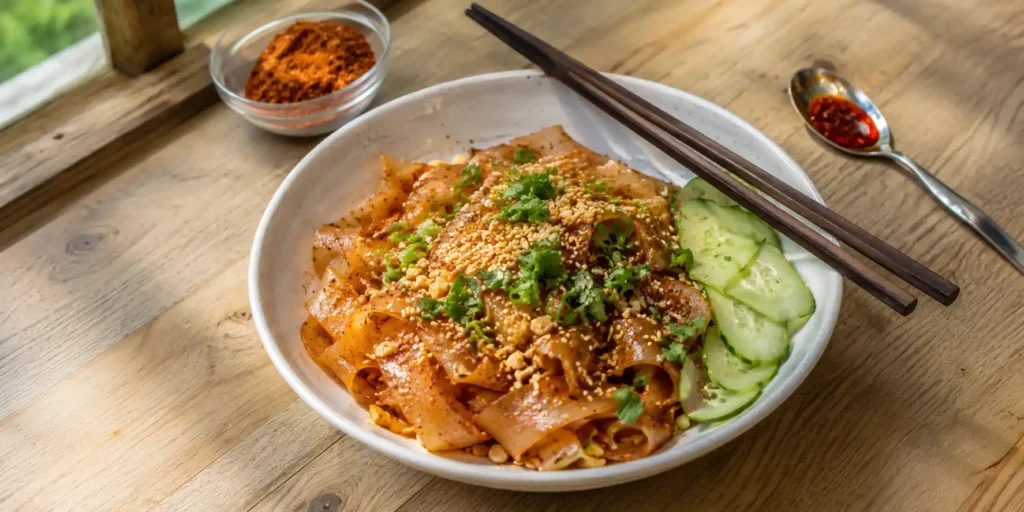
Best laphing – have you ever tasted something that makes your tongue dance, your nose run, and your heart sing all at once? That is laphing for you. I still remember my first time. It was in a tiny Tibetan kitchen in Dharamshala. Rain was pouring outside. Inside, an auntie was slicing these translucent, jelly-like noodles onto a plate. Then she sprinkled a dark, dangerous-looking dry masala on top. The smell hit me – garlic, chilli, Sichuan pepper, something smoky. I took a bite. Chewy, cold, slippery, then suddenly – BOOM. The spice exploded. My eyes watered. I asked for another plate.
Laphing is Tibetan street food made from mung bean starch. It is vegan, gluten-free, and shockingly addictive. And the secret is the dry masala. Without that masala, laphing is just… plain jelly noodles. But with the best laphing dry masala? It becomes a party in your mouth.
Best Laphing Dry Masala
I tried to copy that auntie’s recipe for months. I bought imported Sichuan peppercorns. I burned my tongue testing chilli ratios. My wife said, “Stop making those weird noodles.” But finally, I cracked it. And now I am sharing it with you.
A small tangent: The first time I served my homemade laphing to friends, one guy said it tasted like “spicy rubber bands.” He still ate two bowls. So do not worry if the texture feels strange at first. It grows on you. Like a good friend.

Step-by-Step Recipe Method
1st Step: Make the Laphing Noodle Sheets
In a bowl, mix mung bean starch, 1 cup cold water, and salt. Whisk until no lumps remain. In a pot, boil the remaining 1 cup of water. Turn off the flame. Slowly pour the starch mixture into the hot water while stirring continuously. The mixture will thicken into a translucent, sticky paste within 30 seconds. Keep stirring until it becomes a smooth, lump-free dough-like consistency.
A mistake I made: I added the starch to boiling water without turning off the flame. It clumped immediately. So turn off the heat first.
2nd Step: Steam or Spread the Sheets
Pour the hot starch paste onto a greased plate or a flat baking tray. Spread it thinly and evenly using a spatula – about 3 to 4 mm thick. Let it cool at room temperature for 10 minutes. Then refrigerate for 30 minutes. The sheet will set into a firm, jelly-like slab. You can also steam the mixture in a shallow pan for 5 minutes to set it faster. I prefer the cooling method.
3rd Step: Slice the Noodles
Once the sheet is firm and cold, use a knife or a pizza cutter to slice it into long, 1-inch wide strips. Then cut each strip into bite-sized pieces – about 2 inches long. The noodles should be chewy, not mushy. If they feel too soft, refrigerate longer. If too hard, you used too little water – add a tablespoon more next time.
4th Step: Make the Dry Masala (The Magic Blend)
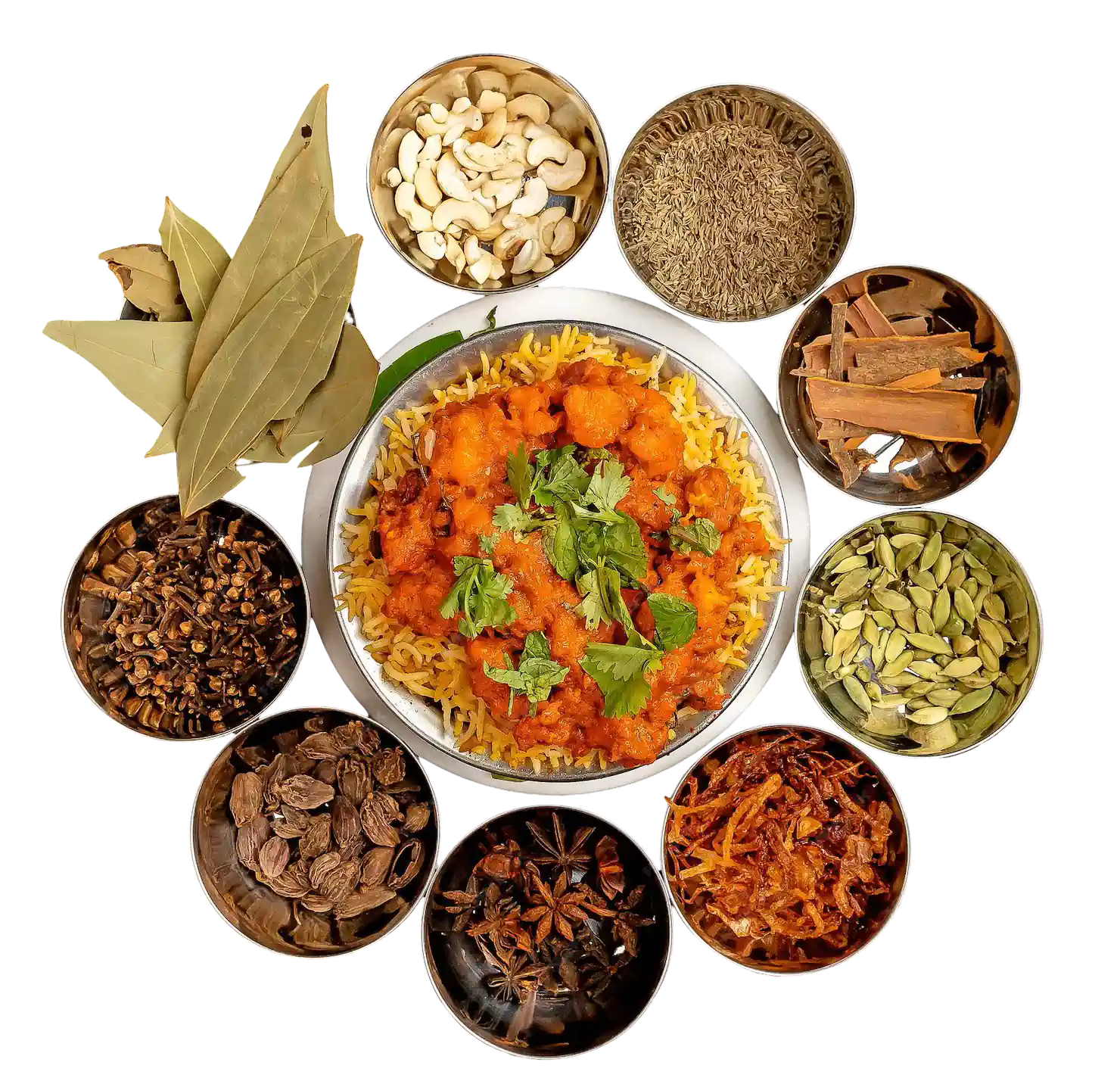
In a dry pan, gently roast the Sichuan peppercorns on low flame for 1 minute until fragrant. Do not burn them. Let cool. Then grind them into a coarse powder using a spice grinder or mortar-pestle. In a bowl, mix this ground Sichuan pepper with red chilli flakes, roasted white and black sesame seeds, salt, sugar, peanut powder, garlic powder, ginger powder, and MSG (if using). Whisk everything together. The colour should be a beautiful reddish-brown. The smell? Like a Tibetan kitchen during a festival.
Store this dry masala in an airtight jar. It stays fresh for 2 months.
5th Step: Assemble the Laphing
Take the sliced laphing noodles in a large bowl. Add soy sauce, black vinegar, and chili oil (if using). Toss gently. Now sprinkle generous amounts of the dry masala – start with 2 tablespoons and add more according to your spice level. Toss again so every noodle is coated in that red, spicy mixture.
6th Step: Garnish Like a Pro
Add chopped fresh coriander, spring onions, crushed roasted peanuts, and sesame seeds on top. Do not mix them in – let them sit on top like a colourful blanket. Add a few cucumber slices on the side for freshness and crunch.
7th Step: Rest for 5 Minutes (Important)
Do not eat immediately. Cover the bowl and let it rest for 5 minutes. The noodles absorb the flavours. The vinegar and soy sauce soak into the jelly. The dry masala releases its full aroma. This waiting step changed my laphing game completely.
8th Step: Serve Cold
Laphing is always served cold or at room temperature. Never hot. Transfer to a serving plate or a paper cone (street-style). Sprinkle a little more dry masala on top. Eat with chopsticks or a fork. Have a glass of cold water nearby. Trust me.
Pro Cooking Tips
-
Mistake to avoid: Overcooking the starch mixture. Once it thickens, stop heating. Overcooking makes the noodles hard and rubbery instead of pleasantly chewy.
-
Sichuan peppercorn tip: Do not grind too fine. A coarse, slightly chunky powder gives a better numbing sensation. Also, remove the black seeds inside – they are bitter.
-
Texture perfection: For extra chewy laphing, let the sheet set in the refrigerator for at least 2 hours. Overnight is even better.
-
Masala storage: Keep the dry masala in a cool, dark place. The Sichuan pepper loses its potency quickly, so make small batches.
-
Customising heat: If you cannot handle extreme spice, reduce red chilli flakes to 1 tablespoon and add 1 tablespoon paprika for colour. The numbing will still be there.
-
Serving for guests: Prepare the noodles and masala separately. Let guests assemble their own bowls. It is fun and everyone can control their spice level.
Variations & Substitutes
Healthy version: Skip MSG. Reduce salt. Use low-sodium soy sauce. Add extra cucumber and coriander. The noodles themselves are quite healthy – zero fat, high fibre.
Jain version: Difficult because laphing traditionally uses garlic and sometimes onion. Replace garlic powder with asafoetida (hing). Skip spring onions. No Sichuan pepper? Replace with black pepper + fennel seeds. Not authentic, but Jain-friendly.
Without onion-garlic: Skip garlic powder and spring onions. Use hing + extra ginger powder. The taste will be milder but still good.
Vegan version: Already vegan. No changes needed.
Oil-free version: Skip the chili oil. Use extra vinegar and soy sauce for moisture. The dry masala will still stick.
Kid-friendly version: Reduce chilli flakes to 1 teaspoon. Add more peanut powder and a drizzle of honey for sweet-spicy balance.
Serving Suggestions
Serve best laphing as a street-style snack, a starter at a Tibetan-themed dinner, or a light lunch on a hot day. It pairs beautifully with momos. A side of sweet and sour cucumber salad cuts through the heat. For drinks, nothing beats a cold Mojit or Smoothie.
Best time to enjoy? Afternoon when you need an energy kick. Or late night when you crave something spicy and weirdly satisfying. Also perfect for potlucks – everyone will ask what this strange, delicious thing is.
If you love exploring Asian flavours, check out my Soya Chunk Chilli Dry Recipe on Luckky Corner – another spicy, addictive Indo-Chinese dish. And for a completely different but equally fun street food, try my Foxtail Millet Khichdi when you want comfort, not fire.
FAQs
What is laphing made of?
Laphing is made from mung bean starch. It is mixed with water, heated until it gelatinizes, then cooled into jelly-like sheets and sliced into noodles. It is vegan, gluten-free, and very low in calories.
What does the best laphing dry masala contain?
The authentic dry masala includes Sichuan peppercorns (for numbing), red chilli flakes, sesame seeds, peanut powder, garlic, ginger, salt, sugar, and sometimes MSG. It is spicy, tangy, and aromatic.
Is laphing supposed to be chewy?
Yes, the signature texture of laphing is chewy, slippery, and slightly springy – like a firm jelly or a cold noodle. It is not soft like pasta. If yours is too soft, you used too much water. If too hard, you overcooked the starch.
Can I buy laphing noodles instead of making them?
Sometimes Tibetan stores sell pre-made laphing sheets or tubes. You can also find dried mung bean noodles (cellophane noodles) but they are different. Fresh homemade is best for texture.
Is Sichuan peppercorn necessary? Can I skip it?
Sichuan peppercorn gives the unique numbing sensation that defines authentic laphing. Without it, it is just spicy noodles – still tasty but not the same. You can find it at Asian grocery stores or online.
How long does the dry masala last?
Stored in an airtight jar away from sunlight and moisture, it lasts 2 months. The Sichuan pepper flavour fades after that, so make small batches.
Conclusion
This best laphing dry masala recipe took me on a journey from rainy Dharamshala to my own messy kitchen. The noodles are fun to make – like a science experiment that ends up delicious. The masala is fiery, numbing, and addictive. And the final dish? Cold, spicy, crunchy, chewy – it is a texture bomb.
Do not be intimidated by the Sichuan peppercorns or the jelly noodles. Make mistakes. I made plenty. My first laphing sheet tore into a hundred ugly pieces. Still tasted great. So try it this weekend. Invite some friends. Watch their confused, then delighted faces. Then come back here and tell me – did you add extra chilli? Did you eat it with momos? I am waiting.