

Holi Special Gujiya Recipe: Sweeten Your Festival with Homemade Love
Hello friends! Holi is here! The festival of colors brings so much joy, fun, and of course, lots of tasty food. Among all the sweets made for Holi, one stands out as the star of the celebration. It is the crispy, sweet, and golden Gujiya. If you want to make this special treat at home, you need a good gujiya recipe that is easy to follow.
Think about the first bite into a crispy outer layer, and then the sweet, melting filling of khoya and nuts inside. That taste is pure festival happiness. Gujiya is not just a sweet. It is tradition. It is what grandmothers make, what mothers pack for guests, and what we all wait for during Holi. Making it at home fills your kitchen with the warm smell of cardamom and ghee. And the best part? You do not need to be a pro to make it. With this easy Holi special gujiya recipe, anyone can make perfect gujiyas at home. Let’s start!
Ingredients for Perfect Gujiya
This makes about 15-18 gujiyas.
For the Dough (Outer Covering):
- 2 cups Maida (All-Purpose Flour)
- 4 tbsp Ghee (or unsalted butter)
- A pinch of Salt
- Water, as needed (for kneading)
- Oil or ghee for deep frying
For the Filling (Inside Sweet Stuff):
- 1 cup Khoya (Mawa) , grated
- ½ cup Powdered Sugar (or regular sugar ground fine)
- ¼ cup Mixed Nuts (almonds, cashews) – chopped small
- 2 tbsp Desiccated Coconut (optional)
- 1 tsp Cardamom Powder (Elaichi)
- 1 tbsp Poppy Seeds (Khus Khus) – optional for topping

Step-by-Step Recipe Method
Follow these steps carefully for crispy and tasty gujiyas.
1st Step: Make the Dough
- In a big bowl, take the maida and salt. Mix well.
- Add the ghee. Use your fingers to rub the ghee into the flour. The mixture should look like bread crumbs. Tip: This step is very important for crispy gujiyas. Do not rush it.
- Add water little by little and knead a tight (stiff) dough. It should be harder than roti dough.
- Cover the dough with a wet cloth. Let it rest for 20-30 minutes.
2nd Step: Make the Filling
- Heat a pan on low flame. Put the grated khoya in the pan.
- Roast the khoya on low heat for 5-7 minutes. Keep stirring. It will become soft and slightly golden. Tip: Stir all the time so it does not burn.
- Turn off the heat. Let the khoya cool down completely.
- In a bowl, mix the cooled khoya with powdered sugar. Mix well.
- Add chopped nuts, desiccated coconut, and cardamom powder. Mix everything. Your filling is ready.
3rd Step: Shape the Gujiyas
- Take the rested dough. Knead it again for a minute.
- Make small balls from the dough. Each ball should be a bit smaller than a lemon.
- Roll each ball into a small poori, about 3-4 inches wide. Do not make it too thin. Keep it medium thick.
- Take a gujiya mould (press). Place the rolled poori on the mould.
- Put 1 to 1.5 spoons of filling in the centre. Do not overfill.
- Apply a little water on the edges of the poori. Close the mould and press gently. Open the mould and take out the gujiya.
- If you do not have a mould, fold the poori into a half-moon shape. Press the edges and twist them to make a pattern.
- Place the shaped gujiya on a plate. Cover with a cloth so they do not dry.
4th Step: Fry the Gujiyas
- Heat oil or ghee in a kadhai for deep frying. The oil should be medium hot (not too hot, not too cold).
- When oil is hot, lower the flame to medium-low. Gently slide 4-5 gujiyas into the oil.
- Fry them on low to medium heat. Let them cook slowly. This makes sure the inside filling cooks well and outside becomes golden and crispy.
- Turn them gently once or twice until they are golden brown on all sides.
- Take them out with a slotted spoon. Drain on paper towel to remove extra oil.
- Let them cool completely before storing.
Pro Cooking Tips for Best Gujiya
-
Rest the Dough: Resting the dough for 20-30 minutes makes it soft and easy to roll. It also helps in making crispy gujiyas.
-
Keep Dough Tight: The dough should be tight, not soft like roti dough. Soft dough will absorb more oil and make gujiyas oily.
-
Roast Khoya Well: Roast the khoya until it changes colour slightly. This removes extra moisture and gives a better taste. But do not over roast or it will become hard.
-
Cool Khoya Before Mixing Sugar: Always cool the roasted khoya completely before adding sugar. If khoya is hot, sugar will melt and make the filling wet.
-
Fry on Low Heat: This is very important. Frying on high heat will make gujiyas brown outside but raw inside. Low and slow frying gives perfect crispy gujiyas.
-
Biggest Mistake: Overfilling the gujiyas. Too much filling will leak out during frying. Use just enough filling.
Variations & Substitutes to Try
-
Mawa Gujiya: This is the classic recipe we just made. Khoya gives the best taste.
-
Dry Fruit Gujiya: For a richer version, add more nuts like pistachios, raisins, and almonds. You can also add melon seeds.
-
Healthy Baked Gujiya: Instead of frying, bake the gujiyas. Preheat oven to 180°C. Place gujiyas on a tray. Brush with a little oil or milk. Bake for 20-25 minutes until golden. They will be less oily but still tasty.
-
Vegan Gujiya: Use vegan butter or coconut oil in the dough. For filling, use crumbled tofu (pressed well) roasted with sugar and nuts instead of khoya.
-
Chocolate Gujiya: Add 2 tbsp cocoa powder and some chocolate chips to the filling. A modern twist that kids will love.
-
Instant Gujiya: If you have less time, use readymade khoya or even mix crumbled biscuits with nuts and sugar for quick filling.
Serving Suggestions: Enjoy Your Holi Special Sweet
-
With Thandai: Gujiya and Thandai are a match made in Holi heaven. Serve with chilled Thandai.
-
As Prasad: Offer gujiyas as part of your Holi puja thali.
-
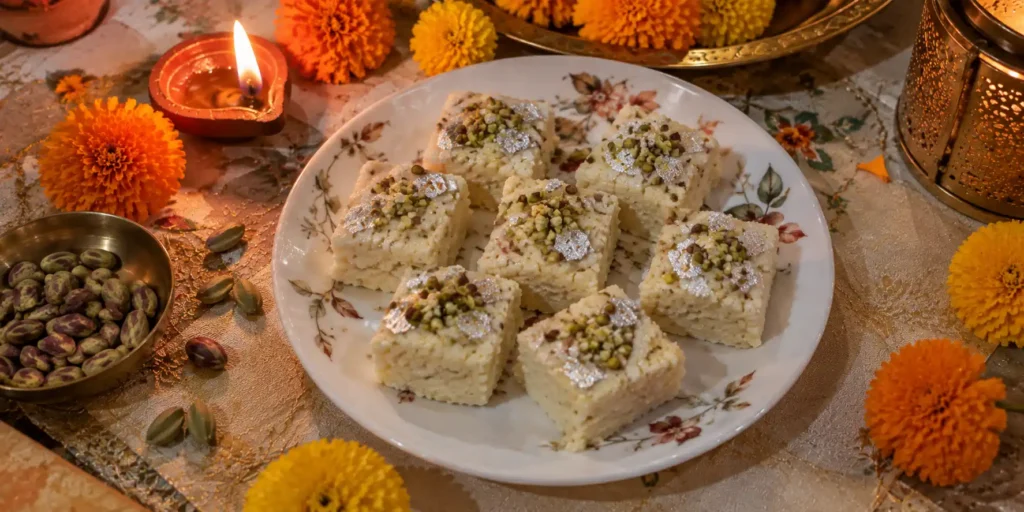
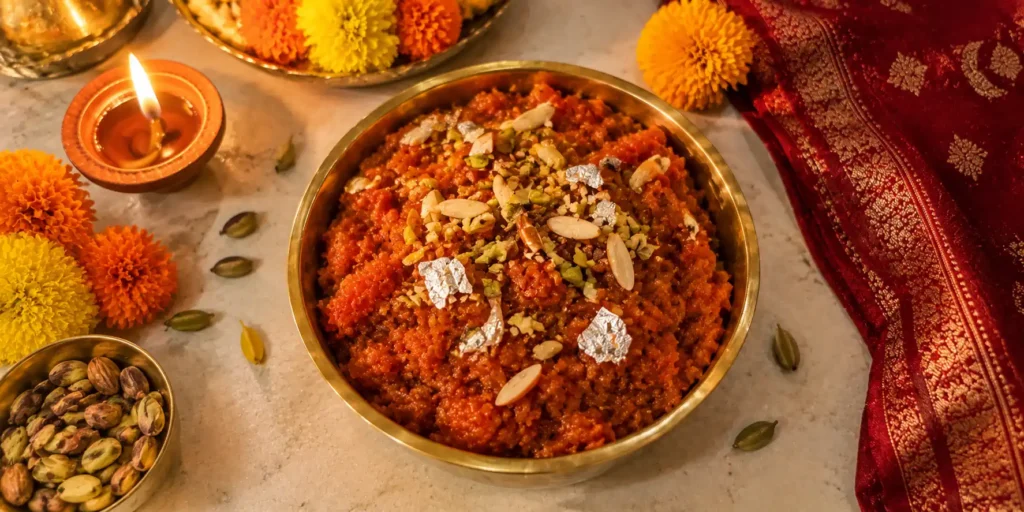
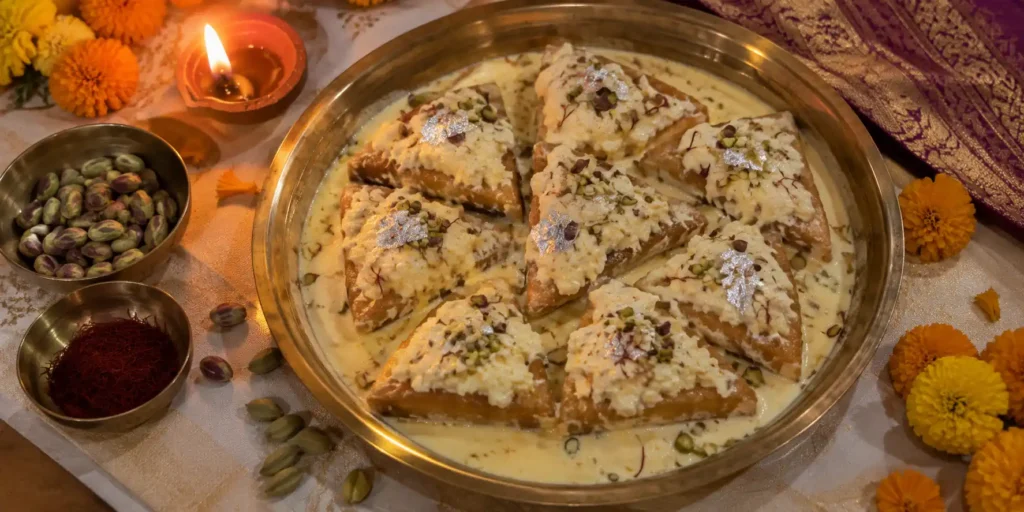
For Guests: Arrange gujiyas on a beautiful plate with some edible silver leaf (varq) on top for a festive look.
-
With Tea: Enjoy gujiyas with evening chai. They make a perfect snack.
-
Best Time: Gujiyas are made especially for Holi and other festivals like Diwali. But honestly, you can make them anytime you crave something sweet!
FAQs: Your Gujiya Questions Answered
Q1: Why are my gujiyas breaking while frying?
A1: The dough might be too dry or the edges were not sealed properly. Make sure to seal edges with water and press well. Also, do not make the dough too hard.
Q2: Can I make gujiya without a mould?
A2: Yes, absolutely! Roll the poori, put filling in the centre, fold into half-moon shape. Press edges with your fingers. Then twist the edge to make a rope-like pattern.
Q3: How long can I store gujiyas?
A3: Store in an airtight container at room temperature for 10-15 days. Keep in a cool, dry place. They stay crispy for a long time.
Q4: My filling became dry and hard. What went wrong?
A4: Khoya was probably roasted too much or on high heat. Roast on low heat and stop as soon as it softens and changes color slightly.
Q5: Can I use sugar instead of powdered sugar?
A5: Powdered sugar is better because it mixes well and does not make the filling grainy. If using regular sugar, grind it fine in a mixer first.
Q6: Why did my gujiyas absorb too much oil?
A6: The oil temperature was too low, or the dough was too soft. Make sure oil is medium hot and dough is tight.
Conclusion
Making gujiya at home is a labor of love, but the results are so worth it. This gujiya recipe is made simple so that anyone can try it. The crispy outer layer and the sweet, nutty filling will make your Holi celebration extra special.
I hope you make these for your family this Holi. The smell of homemade gujiyas filling your kitchen is the real spirit of the festival. Please try this recipe and tell me in the comments how they turned out! Do you have any family secrets for making gujiya? Share with all of us. For more Holi special recipes, check out our The Bhang Thandai Recipe and Vrat Aloo Sabzi Without Onion Garlic.
Wishing you and your family a very happy, colorful, and sweet Holi!