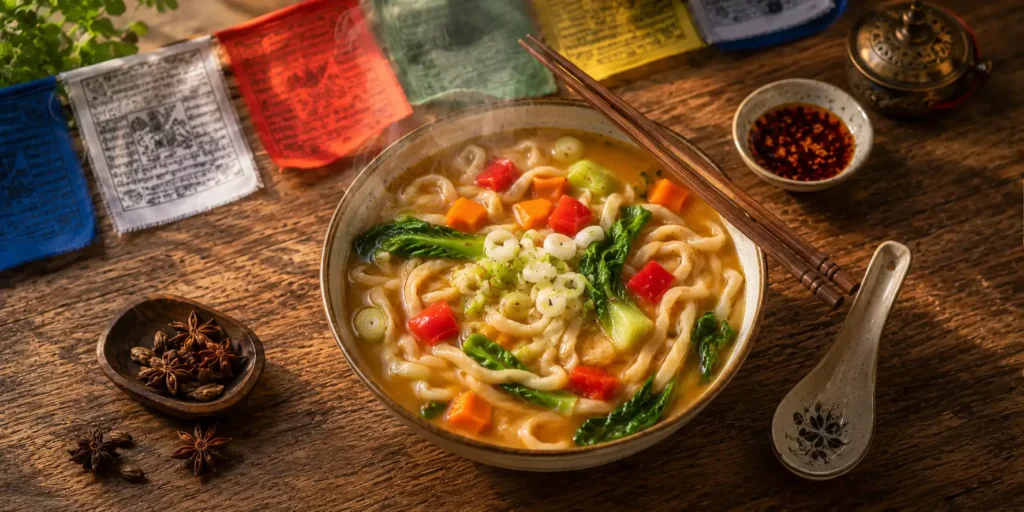

Hot ramen – just thinking about it makes my nose tingle and my stomach growl. You know that feeling when you come home on a chilly evening, your hands are cold, your soul feels a little tired, and all you want is something that hugs you from the inside? That is hot ramen for me. The steam rising from the bowl, carrying the smell of garlic, ginger, chilli, and that deep, mysterious umami that you cannot quite name. The first sip of the broth – hot, spicy, a little numbing – hits your lips and spreads warmth all the way down. Then the noodles, chewy and slippery, sliding between your chopsticks. And that soft-boiled egg, with its golden yolk spilling into the broth like a liquid sun.
I used to think ramen was just instant noodles with fancy packaging. Two-minute Maggi with a fried egg on top. Oh, how wrong I was. The first time I had real hot ramen was at a tiny Japanese place in Mumbai. The bowl was huge. The broth had been simmering for hours. And there was this strange, tingly sensation on my tongue – like little electric sparks. That was Sichuan peppercorn. I fell in love.
Hot Ramen
For Indian homes, ramen sounds exotic. But honestly, it is not that different from our own chai or khichdi. It is comfort. It is patience. It is a bowl of liquid love. And you can make it without any special Japanese ingredients. Let me show you how.
A small tangent: My first attempt at making ramen broth at home was a disaster. I used leftover dal water and some soy sauce. My wife took one sip and asked, “Did you boil socks in this?” So learn from my mistakes. Follow this recipe. And do not boil socks.

Step-by-Step Recipe Method
1st Step: Make the Aromatics Base
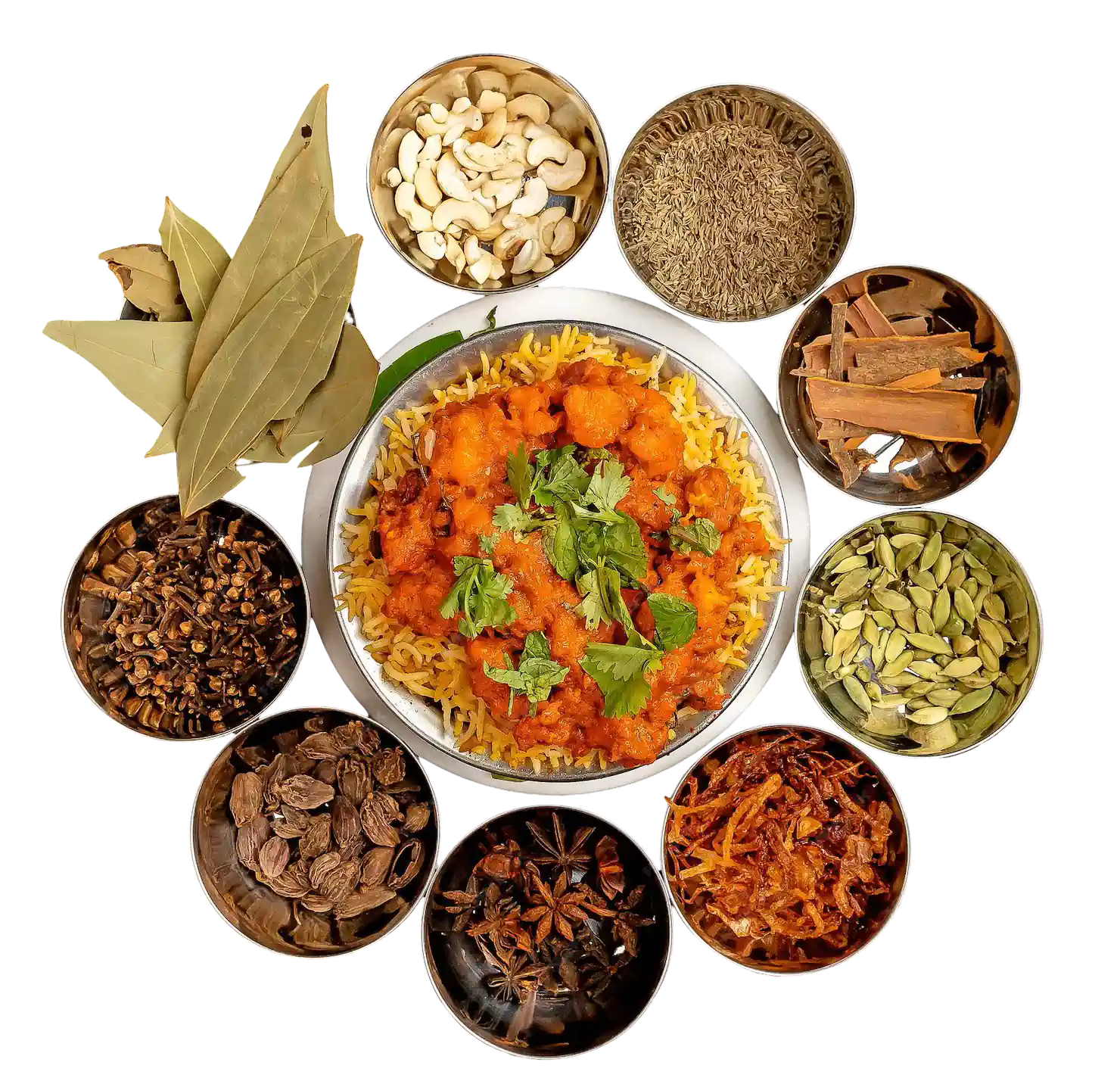
Take a deep pot (a kadhai works). Heat sesame oil on medium flame. Add chopped garlic, grated ginger, and sliced onion. Sauté for 2 to 3 minutes until the onion turns soft and golden. Do not burn the garlic – burnt garlic tastes bitter. The smell right now is amazing – like a restaurant kitchen.
Add the red chilli paste and crushed Sichuan peppercorns. Stir for 30 seconds. The colour will turn a deep, dangerous red. Open your windows if you have a sensitive smoke alarm. I learned this the hard way.
2nd Step: Build the Broth
Pour in the vegetable stock (or water). Add soy sauce, miso paste (if using), sugar, and a pinch of salt. Stir everything together. Bring the broth to a gentle boil. Then reduce the flame to low. Let it simmer for 15 to 20 minutes. The longer you simmer, the deeper the flavour. If you have time, simmer for 30 minutes.
Taste the broth. It should be spicy, savoury, slightly sweet, and a little numbing. Adjust salt and chilli to your liking.
A mistake I made: I added too much salt at the beginning. The broth reduces and becomes saltier. So add salt gradually.
3rd Step: Prepare the Soft-Boiled Eggs (6-Minute Eggs)
Take two eggs from the fridge. Bring a small pot of water to a rolling boil. Gently lower the eggs into the boiling water using a spoon (so they don’t crack). Boil for exactly 6 minutes. Immediately transfer the eggs to a bowl of ice water (or very cold water) for 5 minutes. This stops the cooking. Peel carefully. The white should be set, the yolk should be soft and jammy. Cut each egg in half lengthwise. Set aside.
Do not overcook. A hard-boiled egg in ramen is a sad, dry disappointment.
4th Step: Cook the Noodles
In a separate pot, boil water. Cook the ramen noodles according to the package instructions (usually 3 to 4 minutes). Do not overcook – they should be chewy, not mushy. Drain and rinse under cold water to stop cooking. Set aside.
If using instant noodles, discard the flavour packet. Boil the noodle block for 2 minutes, drain, and rinse.
Why rinse? It removes excess starch and prevents the noodles from sticking together.
5th Step: Prepare the Toppings
While the broth is simmering, chop the spring onions, julienne the carrot, and drain the corn. Toast the sesame seeds in a dry pan for 1 minute until golden. Cut the nori sheet into thin strips using scissors.
Arrange all toppings on a small plate so you are ready to assemble.
6th Step: Assemble the Hot Ramen Bowl
Place the cooked noodles in a deep bowl. Ladle the hot broth over the noodles – enough to cover them but leave a little noodle peeking out. The broth should be very hot, almost steaming.
Now arrange the toppings like an artist. Place the soft-boiled egg halves on one side. Sprinkle spring onions, corn, carrot strips, and sesame seeds. Add the nori strips on the edge. Drizzle a little chilli oil if you want extra heat.
7th Step: The Final Touch – Steam and Serve
Look at your bowl. The red-orange broth, the yellow egg yolk, the green spring onions, the white sesame seeds – it is a rainbow of flavours. Serve immediately. Do not wait. Ramen waits for no one.
8th Step: Eat with Gusto
Grab your chopsticks (or a fork – no judgement). Pull up a large clump of noodles. Slurp loudly. Yes, slurping is not only allowed but encouraged. It cools the noodles and shows appreciation. Dip the egg into the broth. Crunch the nori. Experience the heat, the umami, the comfort.
Pro Cooking Tips
-
Mistake to avoid: Boiling the broth for too long after adding miso. Miso paste loses its flavour when boiled. Add miso at the very end, after turning off the flame.
-
Noodle texture hack: If you want extra chewy noodles, cook them 1 minute less than the package says, then rinse with cold water, then dip in hot broth just before serving.
-
Make-ahead broth: You can make the spicy broth (without miso) and refrigerate it for up to 4 days. Reheat and add miso at the end. The flavours actually deepen overnight.
-
Vegan egg substitute: Use a slice of fried tofu (tofu skin) or a marinated shiitake mushroom instead of egg. Not the same, but delicious.
-
Controlling heat: If the broth is too spicy for you, add a spoonful of peanut butter or coconut milk. It tames the fire and adds creaminess.
-
Leftover broth: Do not throw it away. Use it as a soup base for vegetables or as a spicy dipping sauce for dumplings.
Variations & Substitutes
Healthy version: Use whole wheat or buckwheat noodles. Reduce oil to 1 teaspoon. Add extra vegetables like bok choy, spinach, or bean sprouts. Skip the egg, add tofu.
Jain version: Remove onion, garlic, ginger. Use hing (asafoetida) in oil. Skip spring onions (substitute with cabbage shreds). No egg. Use Jain-friendly vegetable stock.
Without onion-garlic: Skip onion and garlic. Add extra ginger and a pinch of hing. Use only spring onion greens for garnish (remove the white bulb). Still tasty.
Vegan version: Use vegetable stock. Skip egg. Add marinated tofu cubes or tempeh. Use maple syrup instead of sugar (optional). Ensure miso is vegan (most are).
Extra spicy desi version: Add 2 slit green chillies to the broth. Use 1 tablespoon red chilli powder + 1 teaspoon garam masala. Top with fresh coriander. Call it “Bharatiya Ramen”.
Serving Suggestions
Serve this hot ramen as a complete meal. Nothing else is needed. But if you want a side, a small bowl of pickled radish or kimchi adds a tangy crunch. A glass of cold barley tea or soda water cuts through the richness.
Best time to enjoy? Cold winter nights, rainy afternoons, or when you are sick and need something to clear your sinuses. Also perfect for a lazy Sunday lunch when you have time to simmer broth.
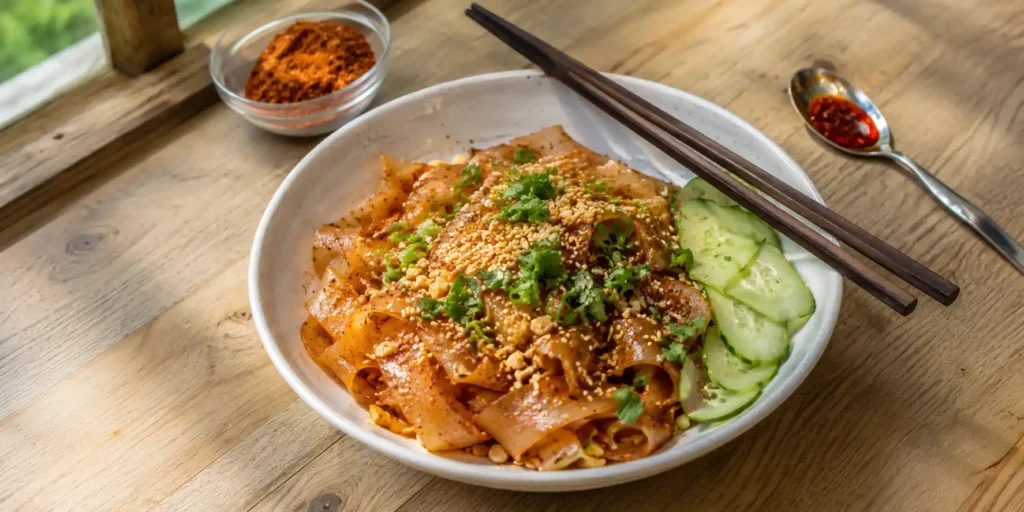
If you love noodle soups, check out my Laphing Dry Masala recipe on Luckky Corner – it is a cold noodle dish with similar Tibetan flavours. And for a completely different but equally comforting meal, try my Foxtail Millet Khichdi – it is the desi version of a warm hug in a bowl.
FAQs
What is the difference between hot ramen and regular ramen?
“Hot ramen” typically refers to the temperature (served steaming hot) and the spicy, numbing broth. Regular ramen can be mild or even cold (hiyashi ramen in summer). This recipe focuses on a spicy, warming broth.
Can I make this without Sichuan peppercorns?
Yes. You will lose the numbing sensation (málà), but the broth will still be spicy and flavourful. Replace with 1 teaspoon black pepper and a pinch of clove powder for warmth.
How do I make the broth richer?
Simmer the broth for 1 to 2 hours. Add a piece of kombu (dried kelp) or a handful of dried shiitake mushrooms while simmering – then remove before serving. These add deep umami.
Is this recipe vegetarian/vegan?
As written, it is vegetarian (eggs included) but not vegan. For vegan, skip the egg, use vegetable stock, and add tofu. Use coconut aminos instead of miso if needed.
Can I use instant ramen noodles for this?
Yes. Use the noodle block only. Discard the flavour packet (it is full of salt and MSG). Cook the noodles as per package, then add to your homemade broth. Much healthier and tastier.
How do I store leftover hot ramen?
Store the broth and noodles separately. Broth keeps in the fridge for 4 days. Cooked noodles keep for 1 day (toss with a little oil to prevent sticking). Reheat broth, cook fresh noodles, and assemble. Do not freeze the noodles – they become mushy.
Conclusion
This hot ramen recipe is the result of many burnt tongues, failed broths, and one very patient wife. But now, when I make it, my kitchen smells like a Tokyo noodle shop. The broth is fiery, the noodles are bouncy, and that soft-boiled egg is pure gold. It takes a little effort – simmering, chopping, timing the eggs – but every spoonful is worth it.
Make it on a day when you need warming up. Invite a friend over. Slurp loudly. Laugh. Then come back here and tell me – did you add the Sichuan peppercorns? Did your nose go numb? Did you forget the nori like I sometimes do? I am waiting for your ramen stories.