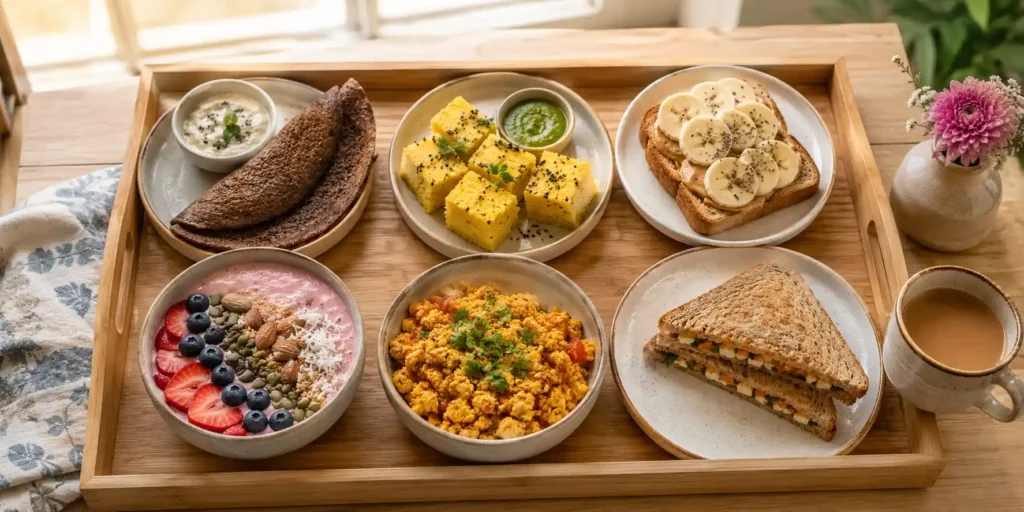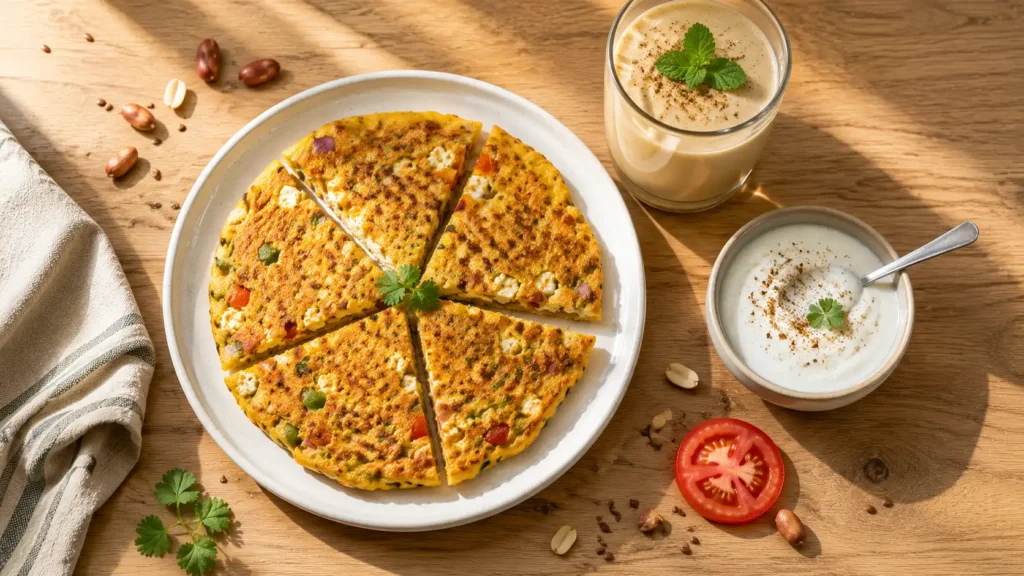

Traditional Sattvic recipes are not just food. They are a quiet revolution. You know that feeling after eating a heavy, oily meal? The foggy brain, the sleepy eyes, the guilt? Sattvic food is the opposite. It leaves you light, alert, and strangely peaceful. I remember the first time I ate a proper sattvic meal at an ashram in Rishikesh. The khichdi was so simple – just rice, moong dal, a pinch of hing. But the smell? Like warm earth after first rain. The colour? Soft sunshine yellow. And the energy I felt for the next four hours – no drowsiness, no cravings – it was like my body said, “Thank you.”
For the Indian home cook, these recipes are a return to our roots. Before chillies came from Mexico, before garlic-onlord dominated every sabzi, our grandparents ate this way. Not for dieting. For living. I am not saying never eat paneer or masala. But if you feel constantly tired, bloated, or irritated, maybe try a sattvic day. One day. Just to see.
Let me share three simple Traditional Sattvic recipes that rebuilt my energy. No fancy ingredients. No 2-hour cooking. Just pure, honest food.
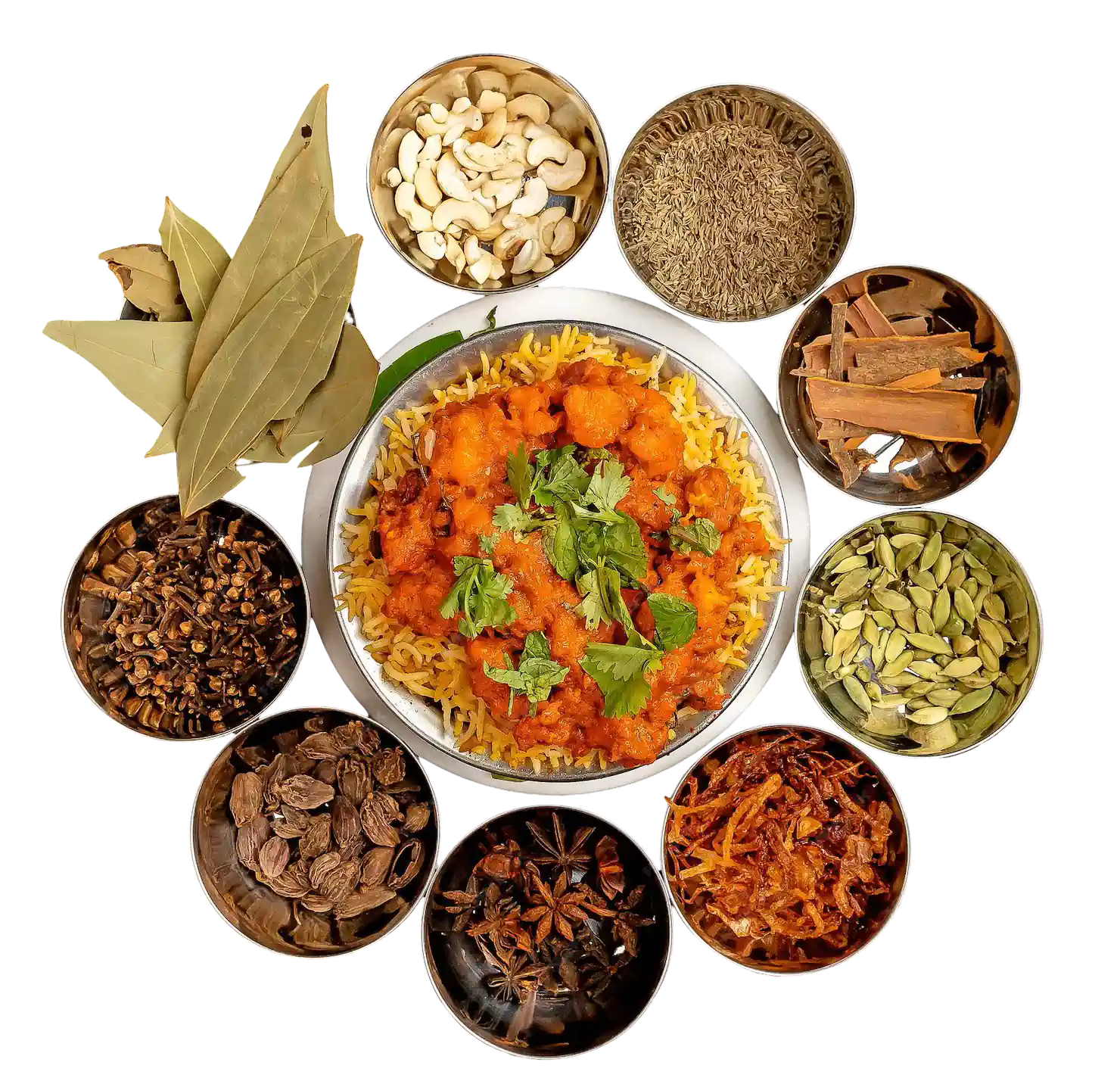
Ingredients
Recipe 1: Sattvic Moong Dal Khichdi (The Energy Bowl)
-
½ cup basmati rice (or brown rice for more fibre)
-
½ cup yellow moong dal (split and skinned)
-
1 tablespoon ghee (desi cow ghee is best)
-
1 teaspoon cumin seeds (jeera)
-
½ teaspoon turmeric powder (haldi)
-
¼ teaspoon asafoetida (hing)
-
1 inch ginger – finely grated
-
1 small tomato – chopped (optional, some avoid in strict sattvic)
-
4 cups water
-
Fresh coriander leaves for garnish
-
Rock salt (sendha namak) to taste
Recipe 2: Sattvic Pumpkin and Coconut Curry (For steady energy)
-
2 cups red pumpkin (kaddu) – chopped into cubes, skin removed
-
½ cup fresh coconut – grated
-
1 green chilli (skip if you want zero heat)
-
1 teaspoon mustard seeds (rai)
-
1 teaspoon urad dal (black gram, for tempering)
-
2 dried red chillies (optional, for colour)
-
1 tablespoon coconut oil or ghee
-
Curry leaves – 8 to 10
-
Salt to taste
Recipe 3: Sattvic Turmeric Milk (The evening anchor)
-
2 cups full cream milk (or almond milk for vegan)
-
1 teaspoon turmeric powder (fresh root is better – about 1 inch)
-
¼ teaspoon black pepper powder (very important – activates turmeric)
-
1 small piece of jaggery (gud) or 1 soaked date
-
½ teaspoon ghee
Alternatives
-
No ghee? Use cold-pressed coconut oil. The taste changes slightly but still pure.
-
No basmati rice? Use quinoa or foxtail millet. Reduces the “heavy” feeling if you eat khichdi at night.
-
No pumpkin? Use bottle gourd (lauki) or ash gourd (petha). Both are very sattvic.
-
No fresh coconut? Use 2 tablespoons of dried coconut powder soaked in warm water for 10 minutes.

Step-by-Step Recipe Method (Focusing on Khichdi – The Core Sattvic Meal)
1st Step: Wash and Soak
Take the rice and moong dal together in a bowl. Wash them under running water three times – until the water runs clear. This is not just cleaning. You are removing the tamas (dullness) from the grains. Soak them in fresh water for 15 minutes. I often skip soaking when I am in a hurry, but the texture becomes less fluffy.
2nd Step: Prepare the Tempering
In a heavy-bottomed pot (a pressure cooker works beautifully), heat the ghee on low flame. Add cumin seeds. Wait until they crackle and release that earthy, nutty smell. Now add hing and grated ginger. Stir for 10 seconds. The kitchen will smell like a temple kitchen – clean, warm, inviting.
3rd Step: Cook the Base
Add the chopped tomato (if using) and turmeric powder. Stir for 1 minute. The tomato should become soft and mushy. Do not let it burn. Burnt ghee turns bitter and creates rajas (agitation) – exactly what we do not want.
4th Step: Add the Grains
Drain the soaked rice and dal. Add them to the pot. Stir gently for 2 minutes. You will see the grains getting coated with the golden ghee and turmeric. This small step prevents the khichdi from becoming sticky later.
5th Step: Add Water and Pressure Cook
Pour 4 cups of water. Add rock salt. Stir once. Close the pressure cooker lid. Cook on medium flame for 2 whistles. Then reduce the flame to low and cook for another 5 minutes. Turn off the gas. Let the pressure release naturally. Do not force open the lid.
This waiting time is important. The khichdi continues to cook in its own steam. It becomes softer, almost like a porridge. That is the perfect texture.
6th Step: Mash and Garnish
Open the lid. The khichdi would have become one homogeneous, creamy mass. Mash it lightly with the back of a ladle. Add a little hot water if it looks too thick. Garnish with fresh coriander leaves and another tiny dollop of ghee on top.
Now, close your eyes. Take a deep breath. That smell? That is prana. That is energy.
For the Pumpkin Curry (Quick Method)
7th Step: Blend the Coconut Paste
Grind the fresh coconut, green chilli, and ¼ cup water into a smooth paste. Keep aside. In a pan, heat coconut oil. Add mustard seeds, urad dal, dried red chillies, and curry leaves. Let them splutter. Add the pumpkin cubes and sauté for 2 minutes. Add the coconut paste and 1 cup water. Cover and cook on low flame for 10 minutes until the pumpkin is tender. Serve with the khichdi.
8th Step: Make the Turmeric Milk
In a small pan, boil the milk. Add turmeric powder (or grated fresh turmeric), black pepper, and jaggery. Stir continuously for 3 to 4 minutes. Do not boil vigorously – milk can curdle. Strain into a cup. Add the ghee on top. Drink it warm, 30 minutes before sleeping.
Pro Cooking Tips
-
Mistake to avoid: Do not use regular table salt in sattvic cooking. It is processed with anti-caking agents. Always use rock salt (sendha namak) or Himalayan pink salt. The mineral taste is completely different.
-
Energy hack: Cook with a calm mind. Sounds like a spiritual thing, but it is real. If you cook while angry or rushed, the food tastes different. I have tested this. Seriously.
-
Water ratio for khichdi: For a runny, porridge-like consistency (best for energy and digestion), use 1:4 ratio of grain to water. For a drier version, use 1:3.
-
Ghee quality matters: Do not use cheap, yellow-dyed ghee. Use homemade or a trusted desi cow ghee. You can smell the difference – real ghee smells like roasted nuts.
-
Timing your meals: Sattvic food is most energizing when eaten between 7 AM and 6 PM. Dinner should be light and finished by 7 PM. The turmeric milk is an exception – it helps sleep.
-
Leftover rule: Do not refrigerate sattvic khichdi for more than 12 hours. The prana (life energy) decreases. Fresh is always better.
Variations & Substitutes
Healthy version (for blood sugar): Replace basmati rice with barnyard millet (samak ke chawal). Reduce water to 3 cups. The khichdi will be grainier but has a lower glycemic index.
Jain version: Remove the ginger and tomato. Use only pumpkin or bottle gourd. No green chillies. The taste becomes very mild – you can add a pinch of black pepper instead.
Without onion-garlic: All these recipes are naturally without onion and garlic. That is the foundation of sattvic cooking. So you are safe.
Vegan version: Replace ghee with coconut oil in khichdi and pumpkin curry. For turmeric milk, use thick almond milk or cashew milk. The texture will be thinner but still comforting.
Kitchari cleanse version: Use only moong dal (no rice). Add 2 teaspoons of grated fresh turmeric root and 1 teaspoon of grated ginger. This is the famous Ayurvedic cleanse meal – eat it for 3 days to reset your digestion.
Serving Suggestions
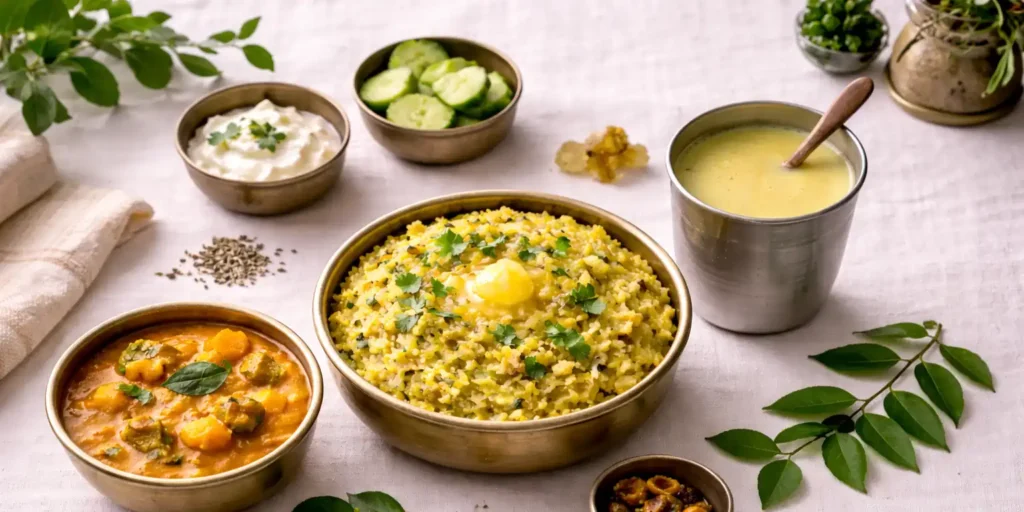
Serve the sattvic khichdi with the pumpkin curry on the side. Add a small bowl of plain homemade curd (if you are not vegan) – the probiotics aid digestion. A few slices of fresh cucumber or a spoonful of coriander chutney without garlic complete the plate.
Best time to enjoy this meal? Lunch, between 12 to 1 PM. The sun is at its peak, and your digestive fire (agni) is strongest. Eating this for lunch will prevent that 3 PM energy crash. I used to need two cups of coffee. Now I just need this khichdi.
For a complete sattvic day, start with Foxtail Millet Upma from my blog – it is light and grounding. And for a sweet treat that does not drain your energy, try my Best Meal Replacement Shakes for Weight Loss (no sugar, no ghee). Both are linked from Luckky Corner.
FAQs
What are Traditional Sattvic recipes?
They are recipes from ancient Indian Ayurvedic texts that emphasize fresh, seasonal, plant-based foods cooked with love and eaten with awareness. They avoid onion, garlic, mushrooms, processed sugar, and leftovers.
Can sattvic food really increase energy?
Yes, but not like caffeine. Caffeine gives a spike then a crash. Sattvic food gives sustained, calm energy because it is easy to digest and rich in prana (life force). You feel awake but not jittery.
Is it okay to eat sattvic food every day?
Absolutely. Many Indian monks and yogis eat only sattvic food for their entire lives. But for a normal person, even 3 to 4 days a week can reduce bloating, improve sleep, and clear brain fog.
Can I add garlic or onion to these recipes for taste?
You can, but then it is no longer sattvic. Garlic and onion are considered rajasic (stimulating) and tamasic (dulling) depending on how they are cooked. If you need the flavour, add a pinch of asafoetida (hing) instead – it mimics garlic’s umami.
What is the best oil for sattvic cooking?
Cold-pressed ghee is number one. Then cold-pressed coconut oil. Then cold-pressed sesame oil (til oil). Avoid refined vegetable oils, even if they say “light” or “healthy”. The chemical extraction process makes them tamasic.
Can children eat sattvic food?
Yes, and they actually love it. My nephew refuses to eat regular dal now. He says the sattvic khichdi “tastes like a hug.” Children need the slow-release energy for school and play. Just add a little more ghee for taste.
Conclusion
These Traditional Sattvic recipes are not about deprivation. They are about addition – adding calm, adding clarity, adding real energy that lasts. The khichdi will comfort you like a grandmother’s lap. The pumpkin curry will surprise you with its sweetness. And the turmeric milk will hold you like a warm blanket.
Try one sattvic meal tomorrow. Just one. Notice how you feel after two hours. Notice your mood. Then come back here and leave a comment. Tell me if you felt the difference, or if you think I am just a crazy activist who talks too much about prana. Either way, I will reply.